1310 PENDLETON STREET CINCINNATI, OH
| (513) 407-7077 | WED - SAT 11:30 AM - 4:00 PM

THE
ANNEX
NEWS

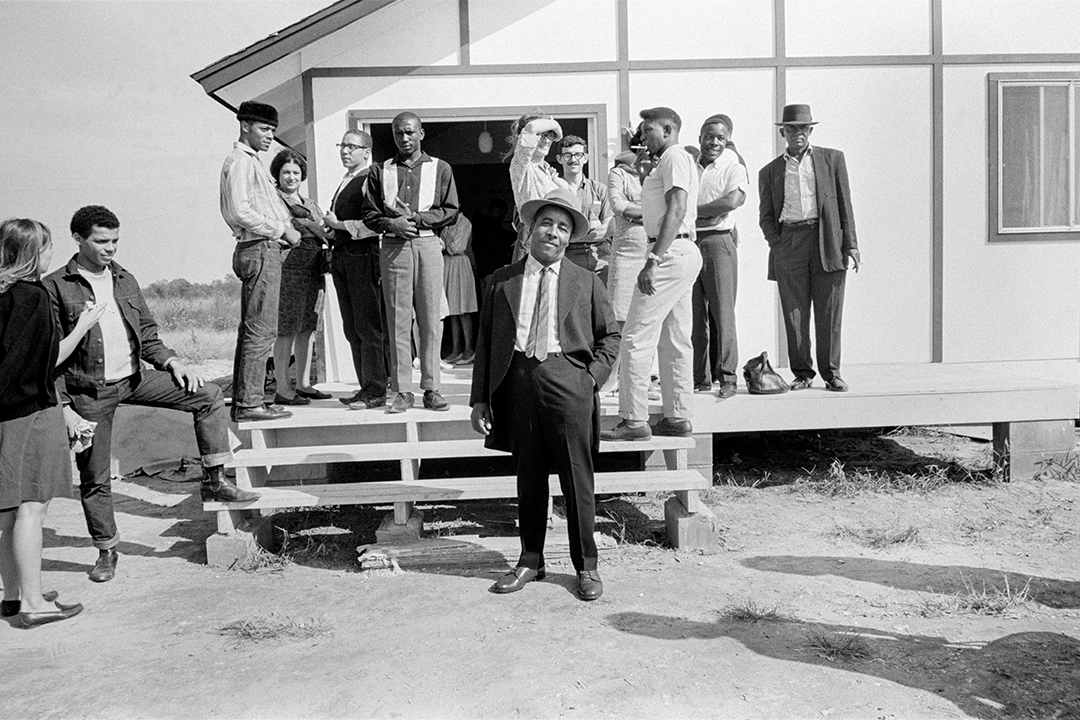
Organizers and volunteers for SNCC outside
COFO training building Mississippi 1964
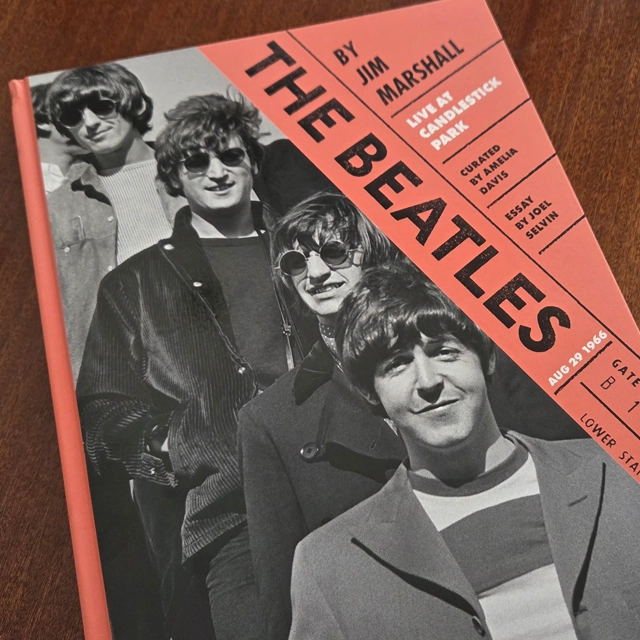
Jim Marshall, a renowned photographer celebrated for his iconic rock-and-roll images, captured unforgettable moments in music history. You may recognize his work, such as the famous photograph of Johnny Cash giving the finger at San Quentin Prison, Jimi Hendrix lighting his guitar on fire, or exclusive shots from the Beatles’ last performance. Currently, some of his stunning photographs are on display at the Annex Gallery in downtown Pendleton.
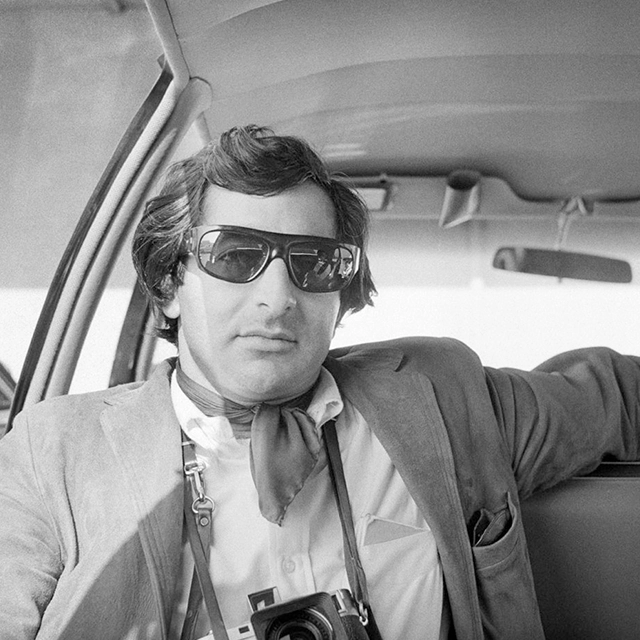
Amelia Davis, who was Marshall’s assistant for the last 13 years of his life, is now the sole beneficiary of his estate and the custodian of his photos. “It was amazing and often chaotic to work with Jim, a truly larger-than-life character. He considered his photographs to be like his children; he loved them deeply,” she shared.
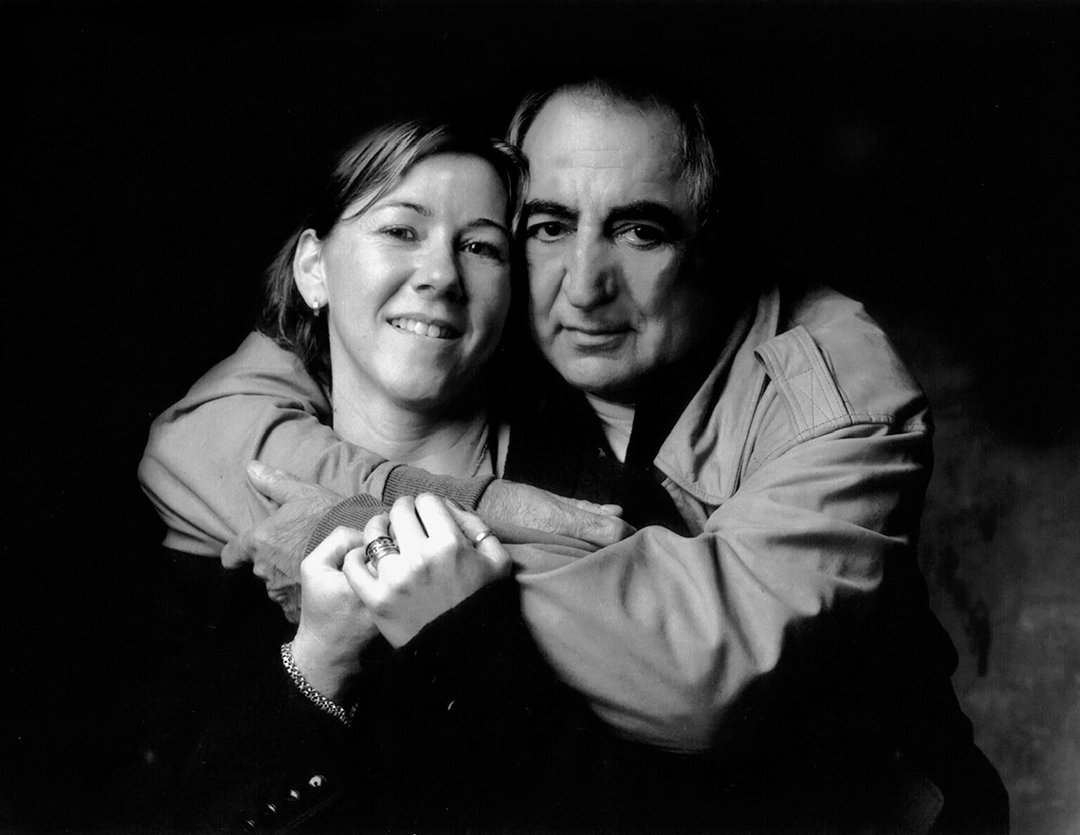
Jim Marshall with assistant Amelia Davis
Since then, Davis has spent most of her time going through Marshall’s archive, recalling his history and shedding light on new events and photos that the public had previously been unaware of. In accomplishing this, Davis also discovered new photos herself. Aside from the music photos Marshall is famous for, he made it a point to capture the civil unrest happening in history at the time.
“He got stuck like a lot of photographers, showing the same photos over and over and over again. In reality, he photographed such historic events, not only in music, but also politically: civil rights protests, speeches, things like that. Now I can share his entire photo archive with the world and really show them that he wasn’t just a music photographer.”
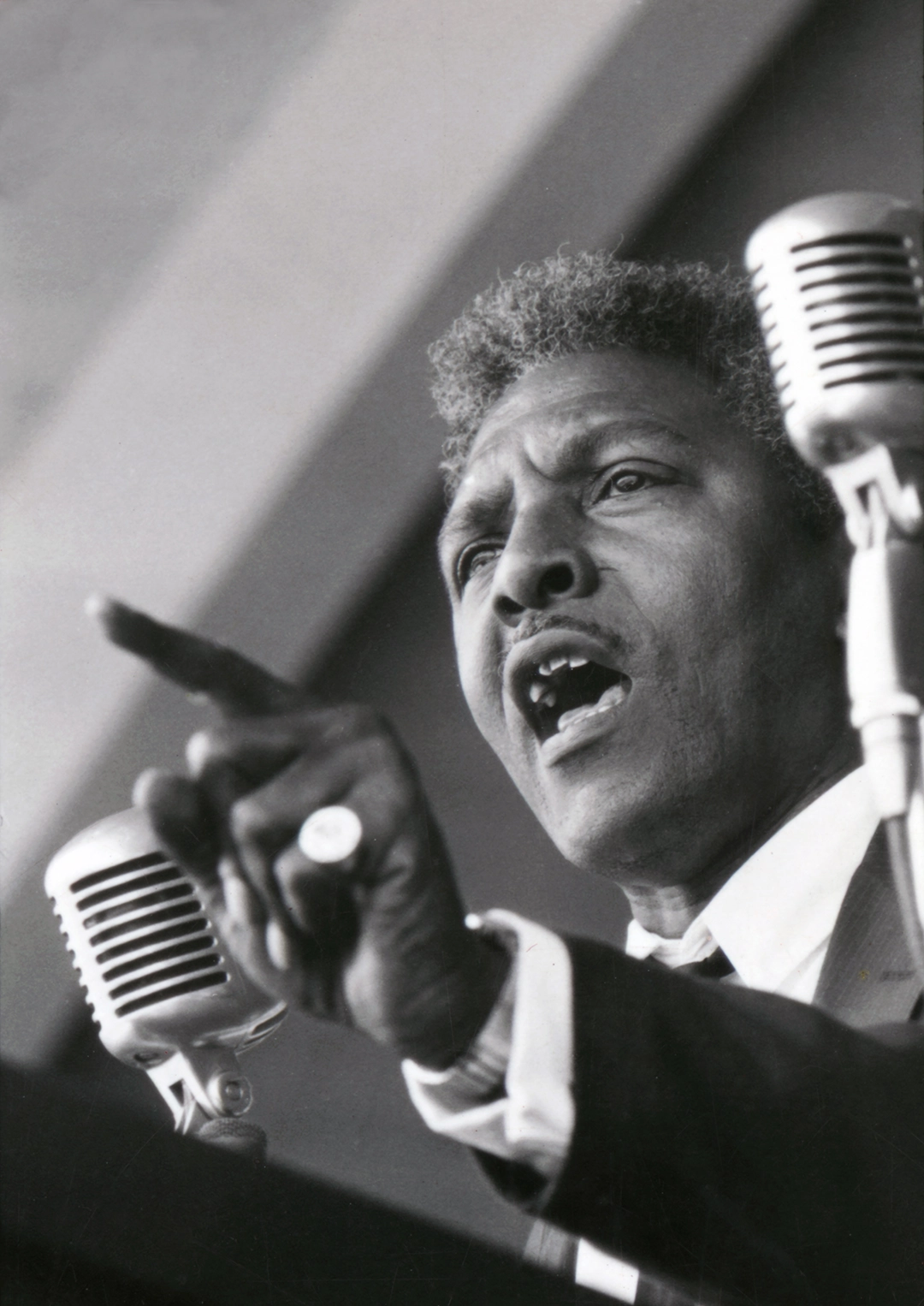
Freedom Vote Campaign.
Bayard Rustin giving a speech at a rally held in the New Albany amphitheater.
Speakers included James Forman, John Lewis and Andrew Young.
Mississippi 1963.
One of these instances lies in his lifelong friendship with Joan Baez. Davis says Marshall had been at the Newport Folk Festival to photograph Baez and other artists in 1963, and that year, civil rights activities had been at their peak. A “Dress Rehearsal,” as the news called it, or test run, of the March on Washington was planned at the festival, and Marshall made sure to capture it.
In attendance were SNCC (Student Nonviolent Coordinating Committee) members James Forman and Cordell Reagon, the latter recognized as the founder of the Freedom Singers. Together with Baez, Pete Seeger, Bob Dylan, Theodore Bikel and Peter, Paul and Mary, the Freedom Singers famously performed the protest song “We Shall Overcome” at the festival.
Davis recounts, “Jim, since he was there, knew he wanted to photograph this. So, we have these photos of all the artists and activists meeting in the laundromat, talking about the test march and then actually marching from the laundromat through the town of Newport and ending with a rally of speakers and music.
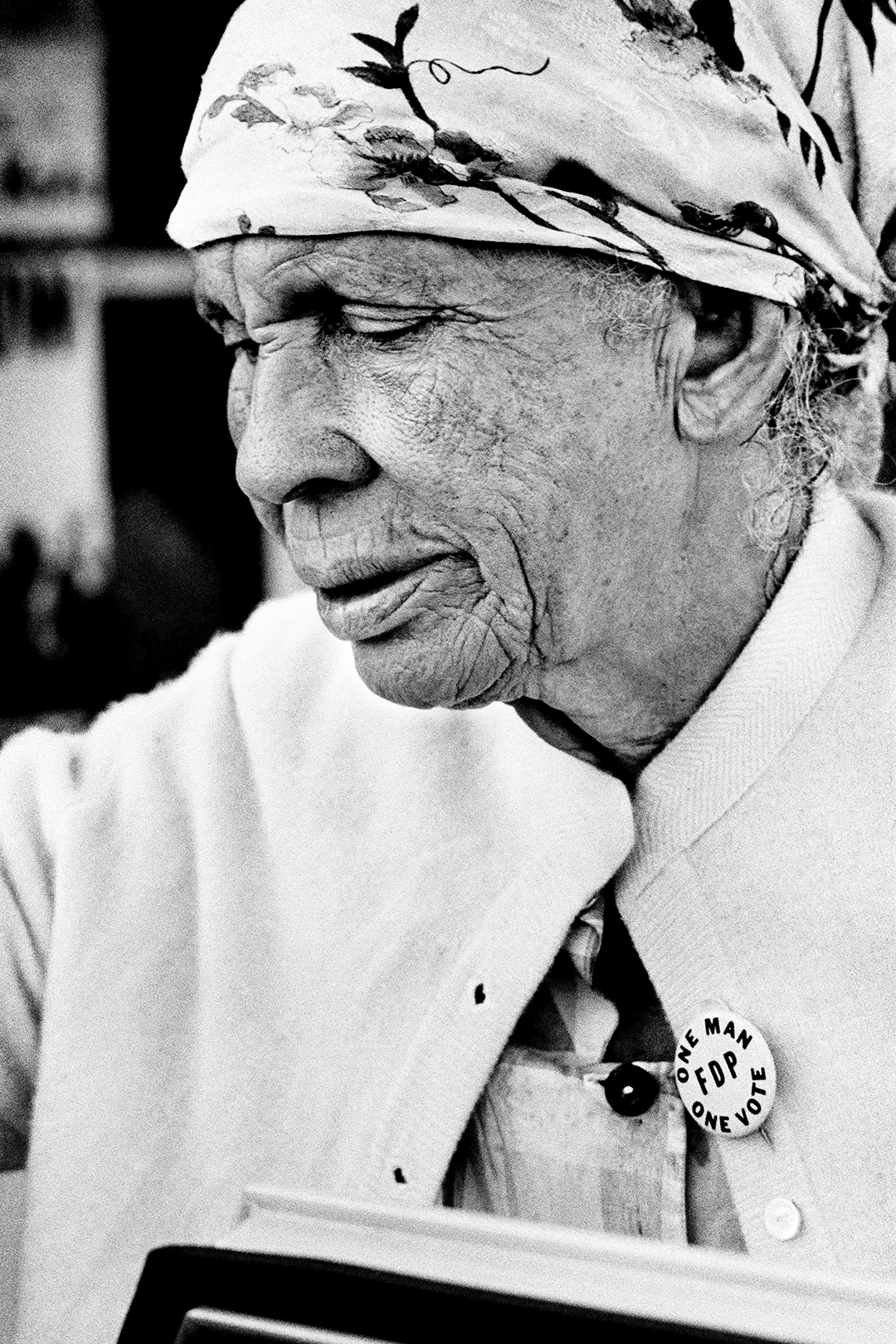
One Man One Vote FDP,
Outside COFO building 1017 John R Lynch Street
in Jackson, Mississippi 1964
“So we created an exhibition to showcase those photos in partnership with A Living Archive, a project of Proximity Partners,” Davis recounts.
Another that Marshall had captured at the time was Bayard Rustin, the advisor to Martin Luther King, Jr. and principal organizer of the March on Washington. Rustin had made a large effort to blend into the background as much as possible, as he was a gay man and did not want to overshadow or take attention away from King’s efforts. Marshall thought differently and used his talents to capture Rustin in action.
“He was there in pictures with John Lewis and then Andrew Young!” exclaimed Davis. “We were shocked. In one photo that stands out to me, Bayard Rustin’s completely in thought. He’s not looking at Jim; he’s looking down, but you can see every pore on his face closely. Jim would’ve had to have been standing right there with a 50-millimeter lens, and Bayard doesn’t even know he’s there. It makes you curious: what is he thinking about?”
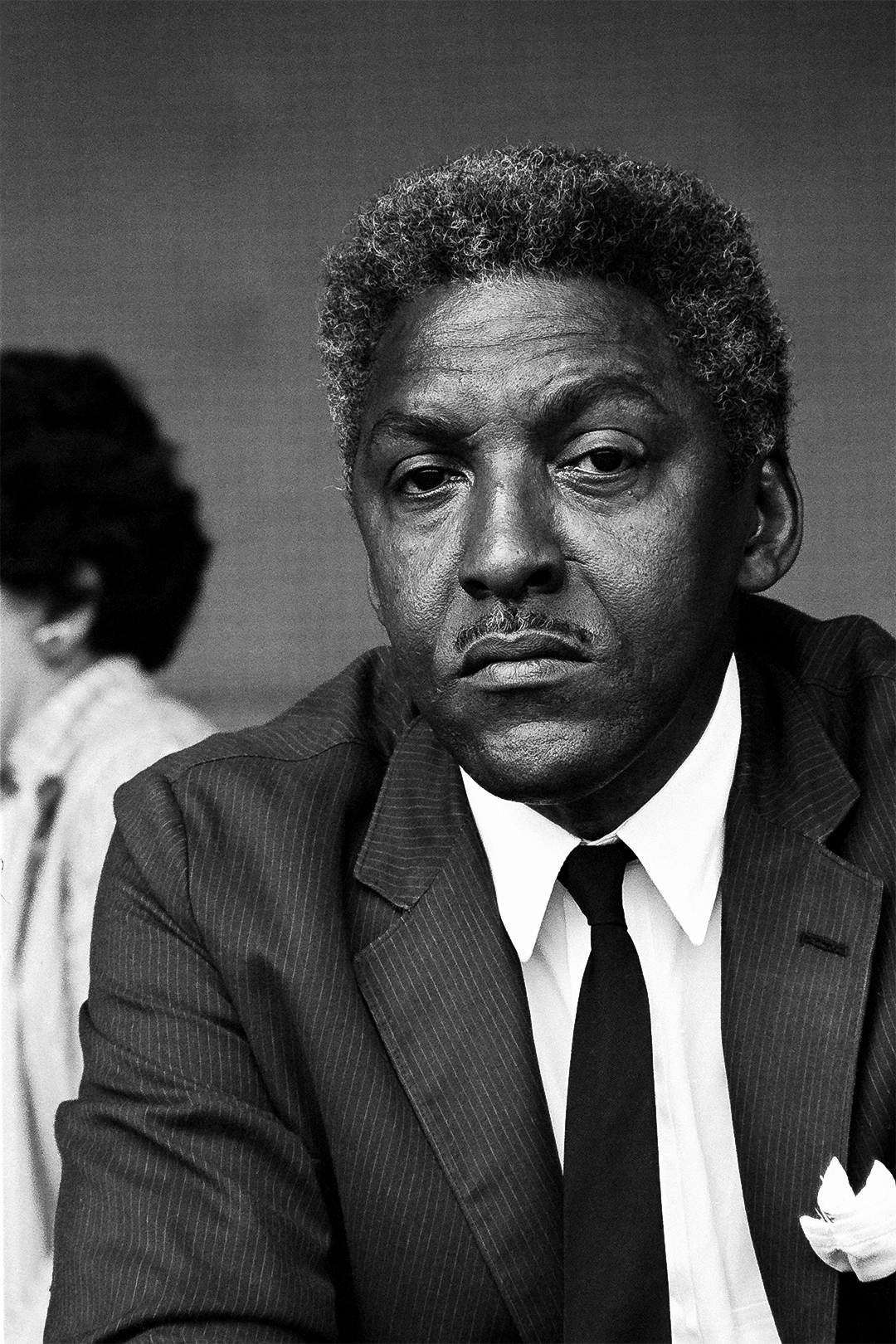
Freedom Vote Campaign.
Bayard Rustin who was one of the speakers at a rally held in the New Albany amphitheater.
Speakers included James Forman, John Lewis and Andrew Young.
Mississippi 1963
Marshall wanted to document how regular society and segregation looked at the time as well. Davis said, “Alabama gets all the attention historically, but Mississippi was very important as well. That’s when voting rights were kicking off, so Jim went down to Mississippi several times and photographed the Voting Rights Act campaigns. He captured the town, the town people, people learning how to sign up to vote, and many Black SNCC workers teaching the importance of voting.”
Davis recalled Marshall’s passion in photographing the civil rights events. “When I met Jim, he was older, so he wasn’t photographing anymore. But he would tell me stories, and it was an honor to work with him and hear his experiences of all these historical events,” she mused.

Freedom Vote Campaign.
Child of one of the campaign workers.
Mississippi, 1963
Jim Marshall’s exhibit The Sound of Trust is available for viewing now at the Annex Gallery until August 1st, where the exhibition culminates in an Artist’s Reception featuring Davis, Walter Naegle and James Forman, son of SNCC Director Jim Forman.
You can find more information about the exhibition or purchasing prints on the Annex Gallery’s website. For further information on Jim Marshall’s works and Davis’s exhibitions, you can visit his website as well.
Posted in Arts, Entertainment and Culture News

Editorial Note
As part of the exhibition’s documentary archive, The Annex Gallery has included on this page a reference to The Sound of Trust: Photographer Jim Marshall’s Works on Exhibit in Cincinnati, written by Megan Lavilla and originally published by Classical 90.9 WGUC on July 23, 2026. Its inclusion reflects the gallery’s commitment to gathering and preserving the journalistic materials produced in connection with the exhibition, thereby providing a fuller record of its public visibility, reception, and reach. WGUC is Cincinnati Public Radio’s classical music station and devotes part of its editorial platform to the arts and cultural life of the city. The complete article is available on the WGUC website.





I have sometimes thought about what, for once, I might call “the oneiric substance,” if only to steer the question into less sinister territory: do dreams arise from experiences not fully processed, or are they autonomous energetic structures, detached from various material or temporal sources, that pass through the mind in search of the lost warmth of emotions? The question has its beauty.
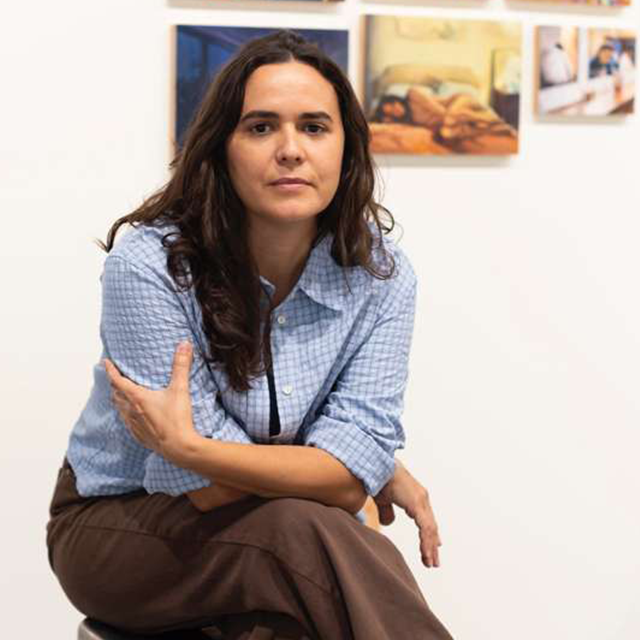
Evelyn Sosa and Leticia Sánchez Honored for Their Artistic Contributions

.svg)