1310 PENDLETON STREET CINCINNATI, OH
| (513) 407-7077 | WED - SAT 11:30 AM - 4:00 PM

THE
ANNEX
NEWS

Pedro Abascal at The Annex Gallery
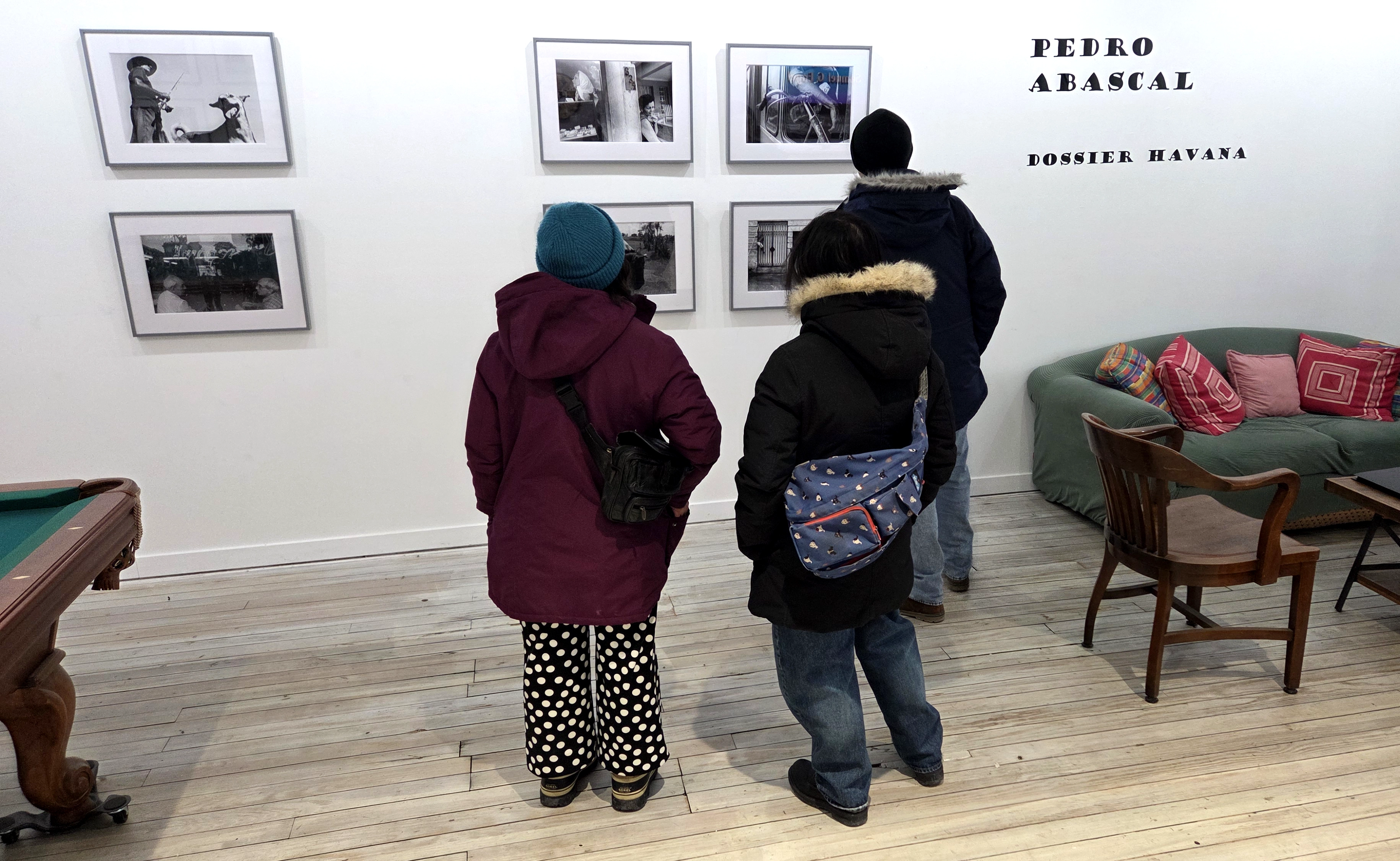
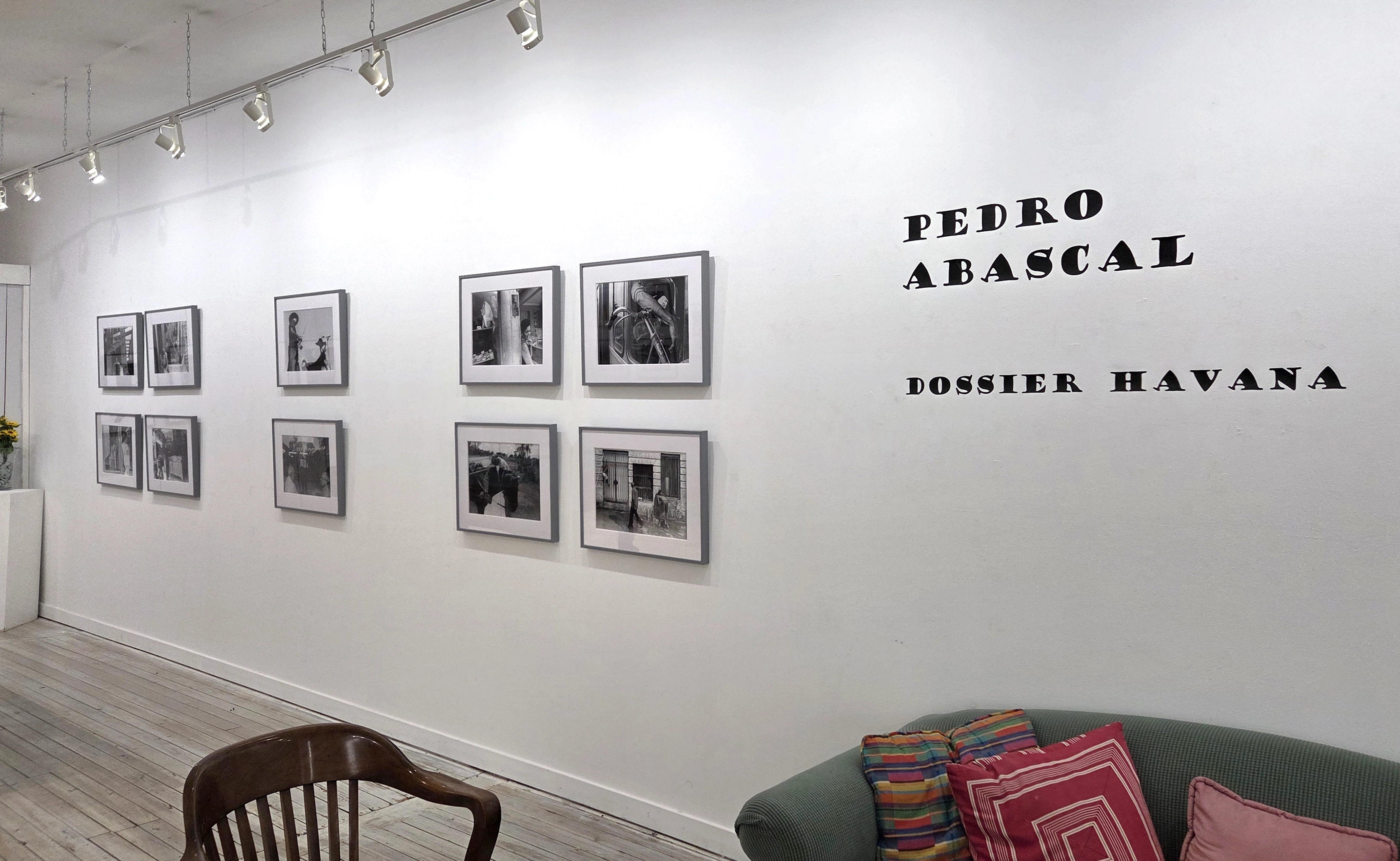
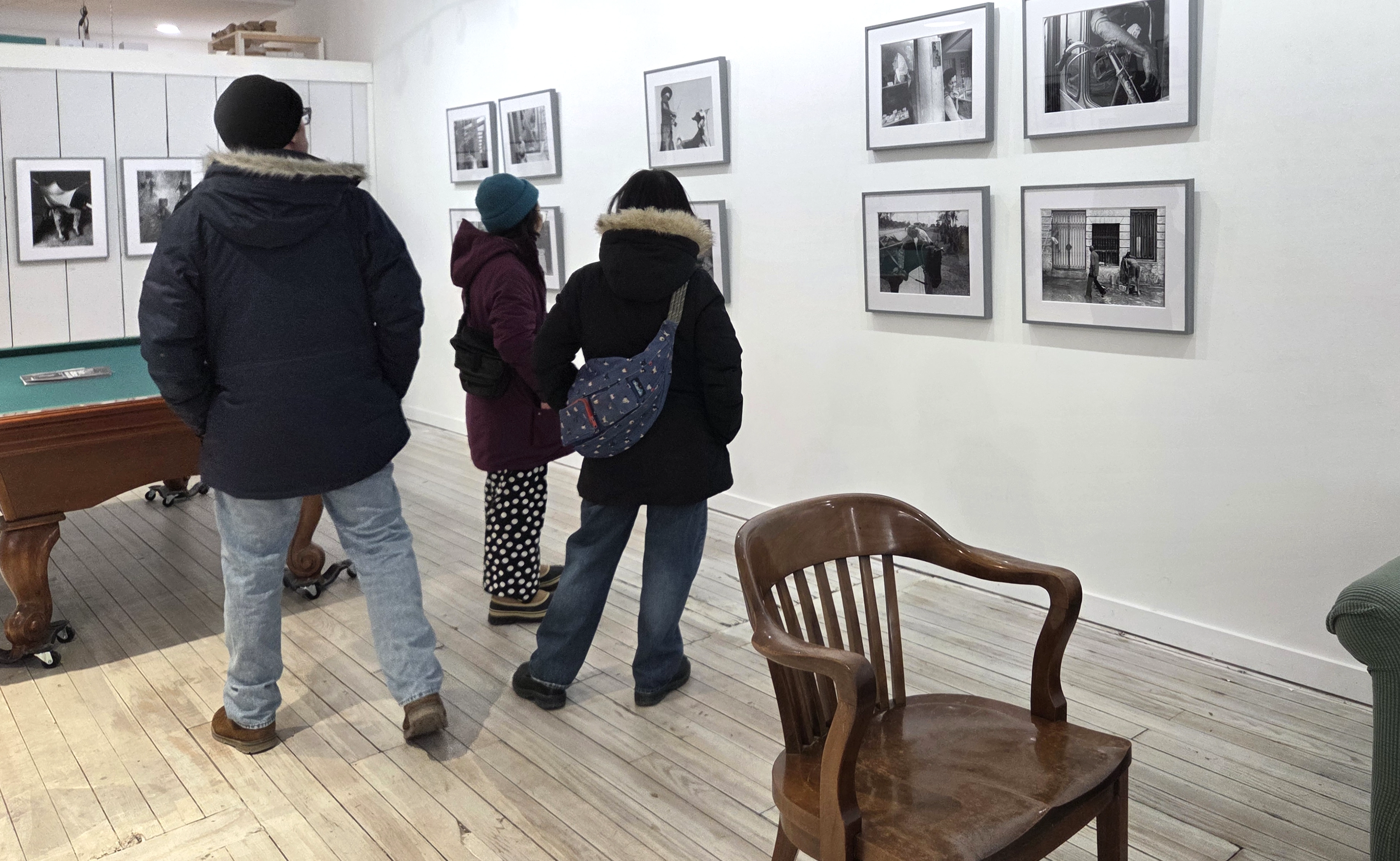
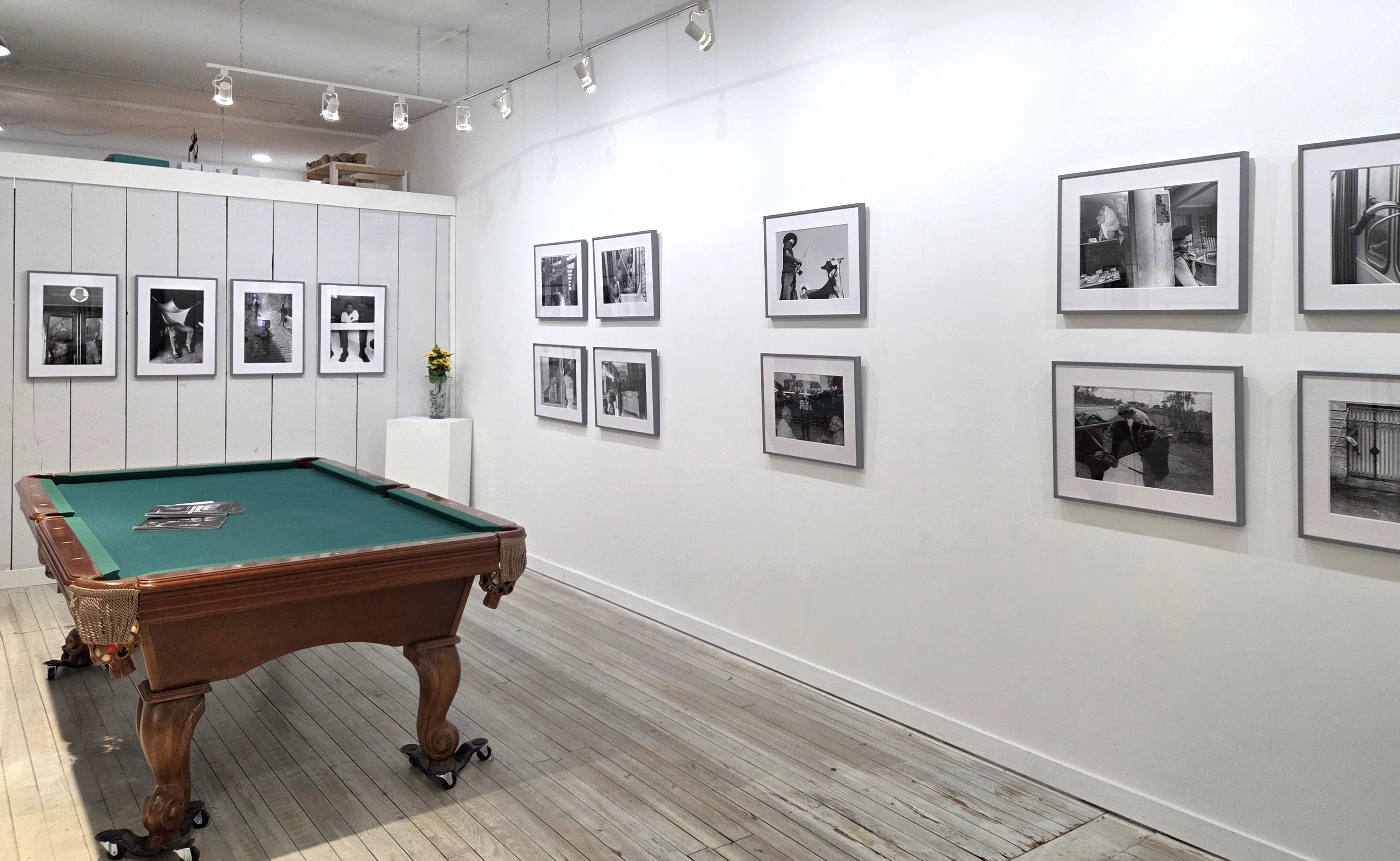
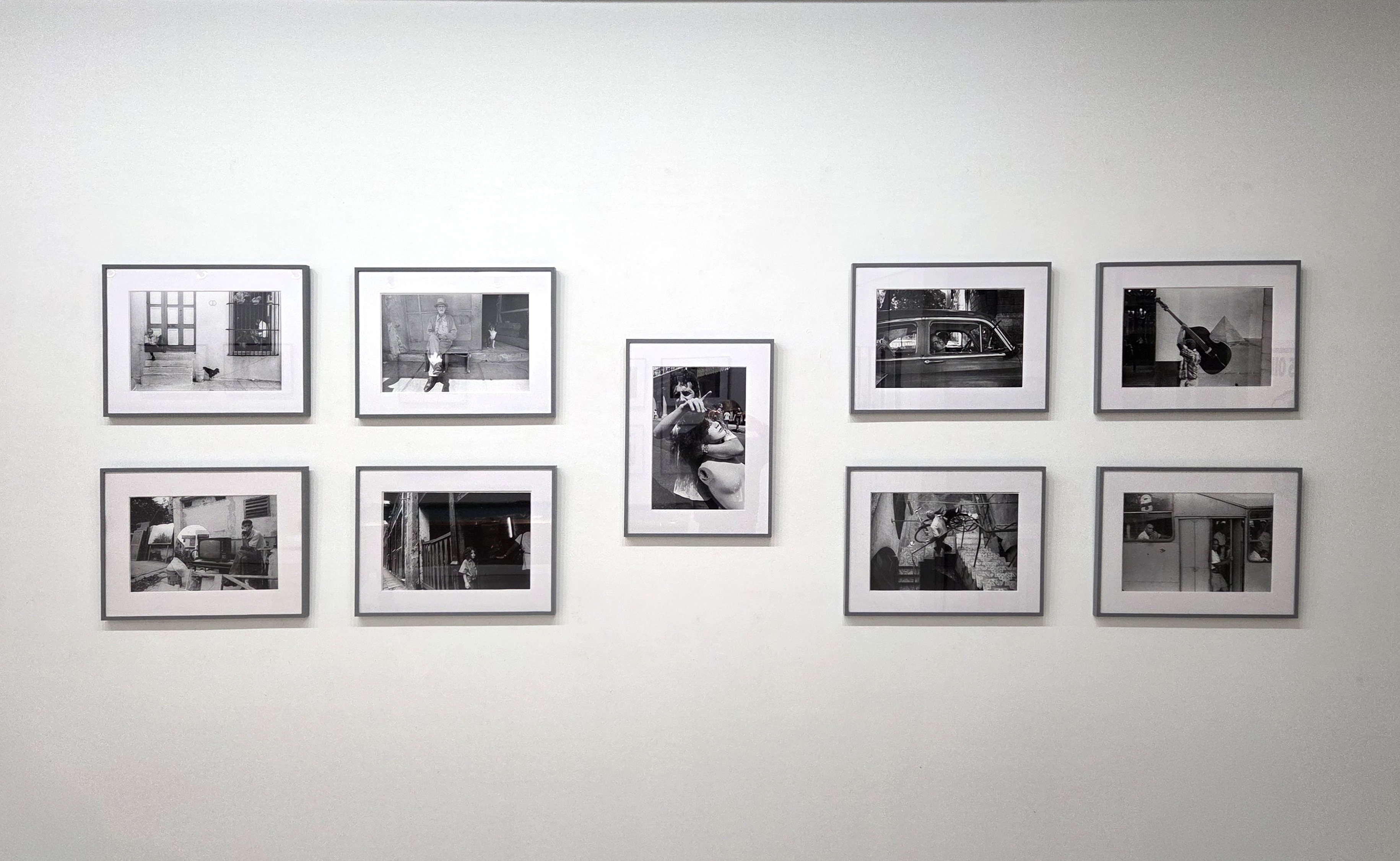
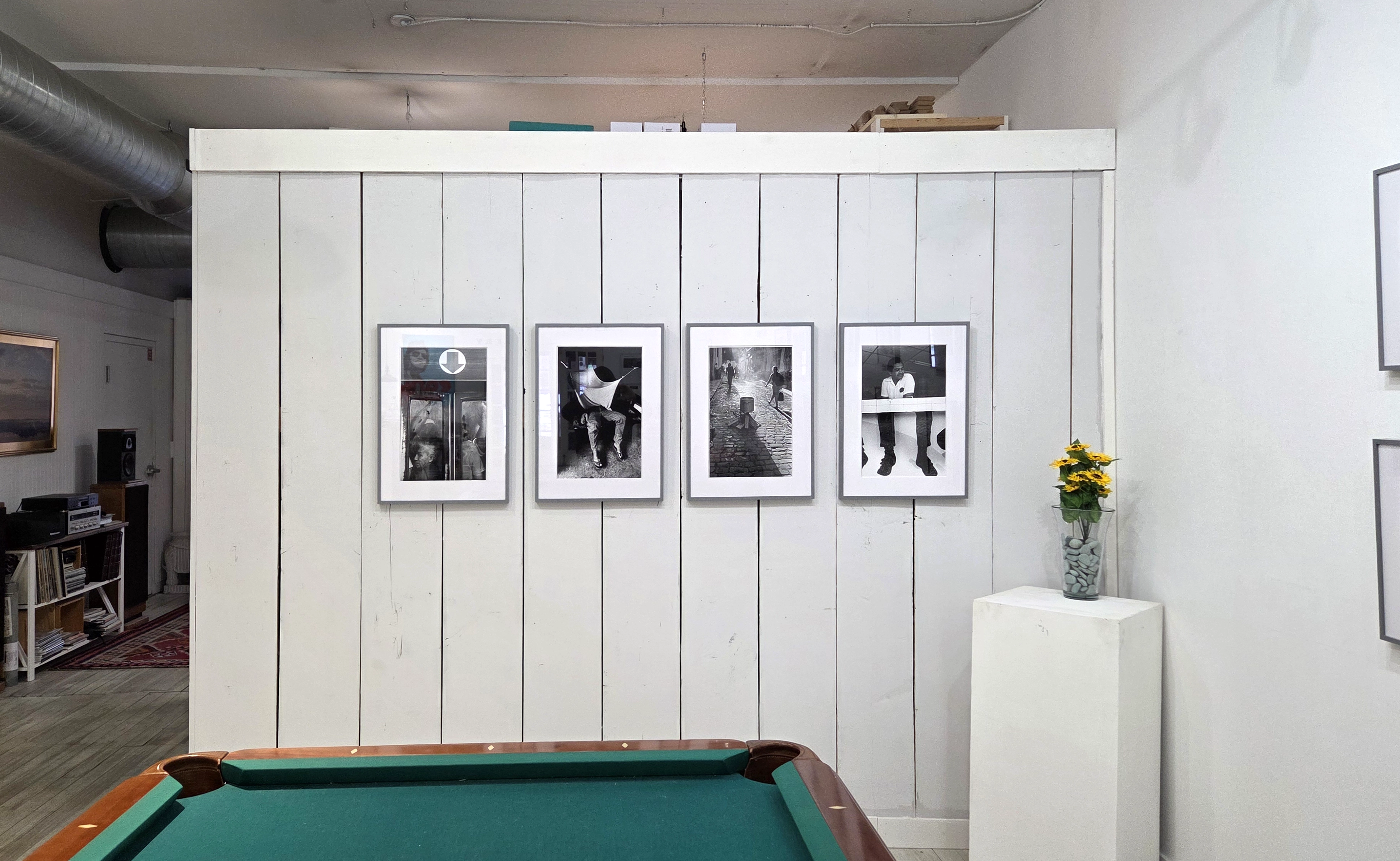
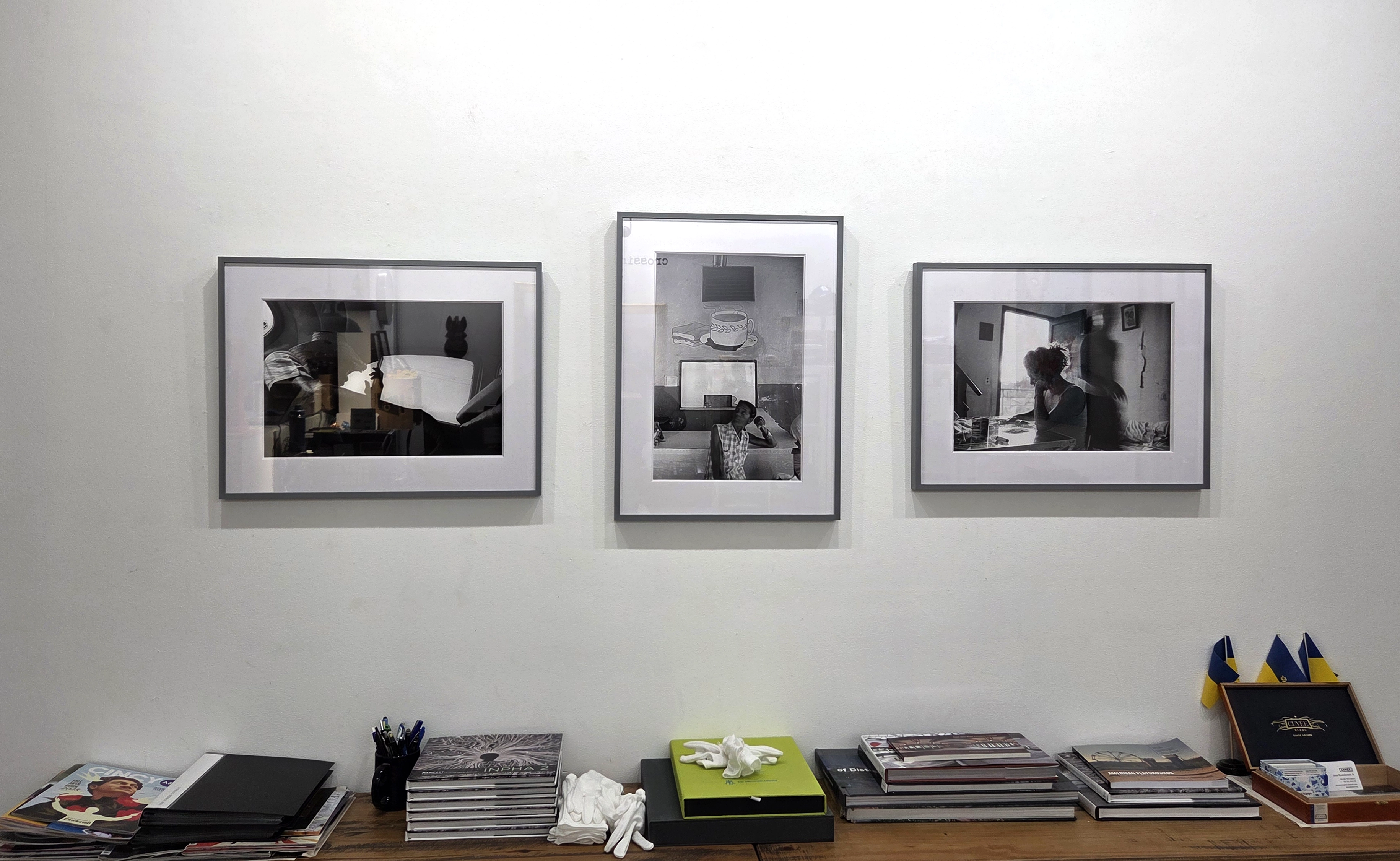
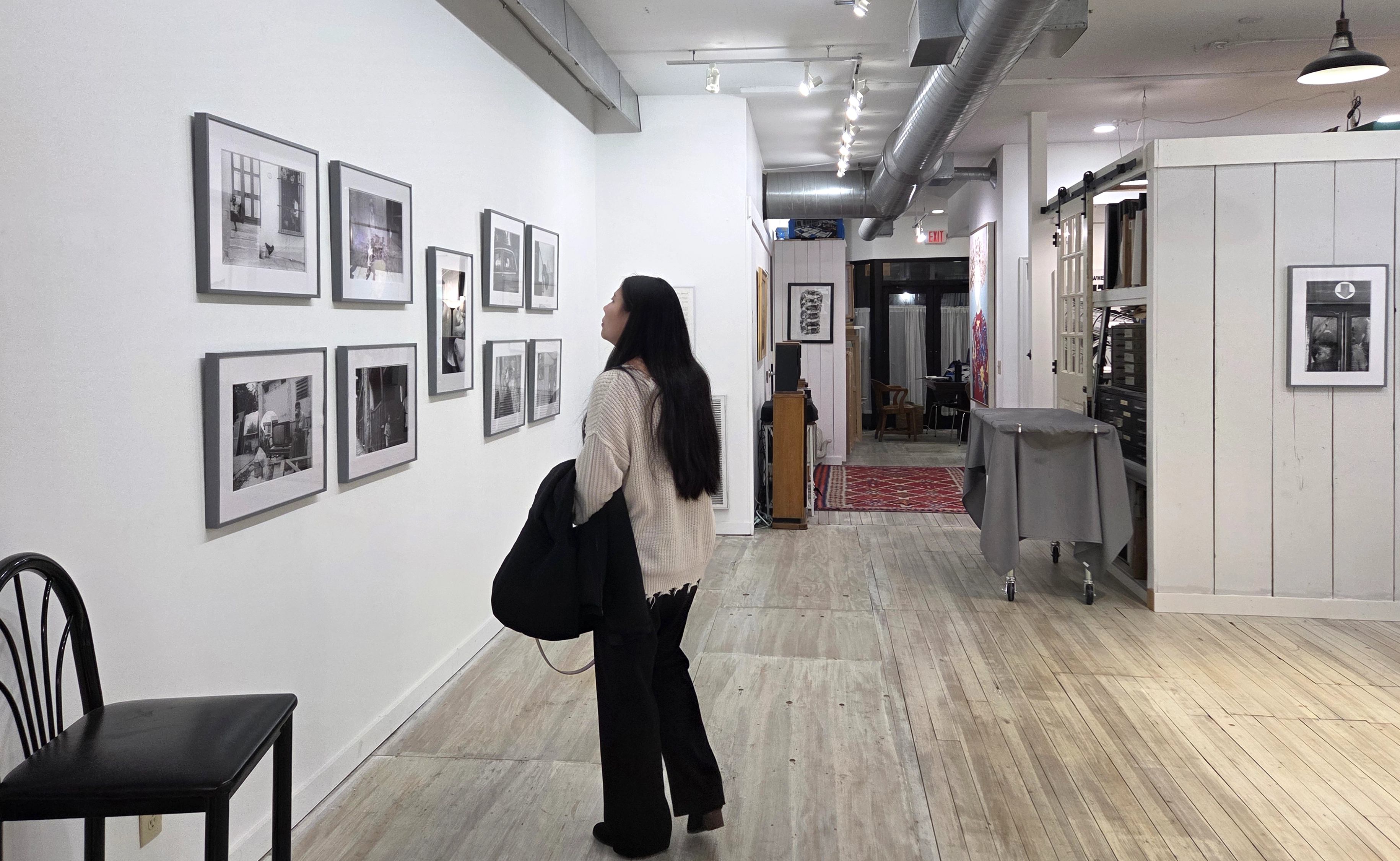
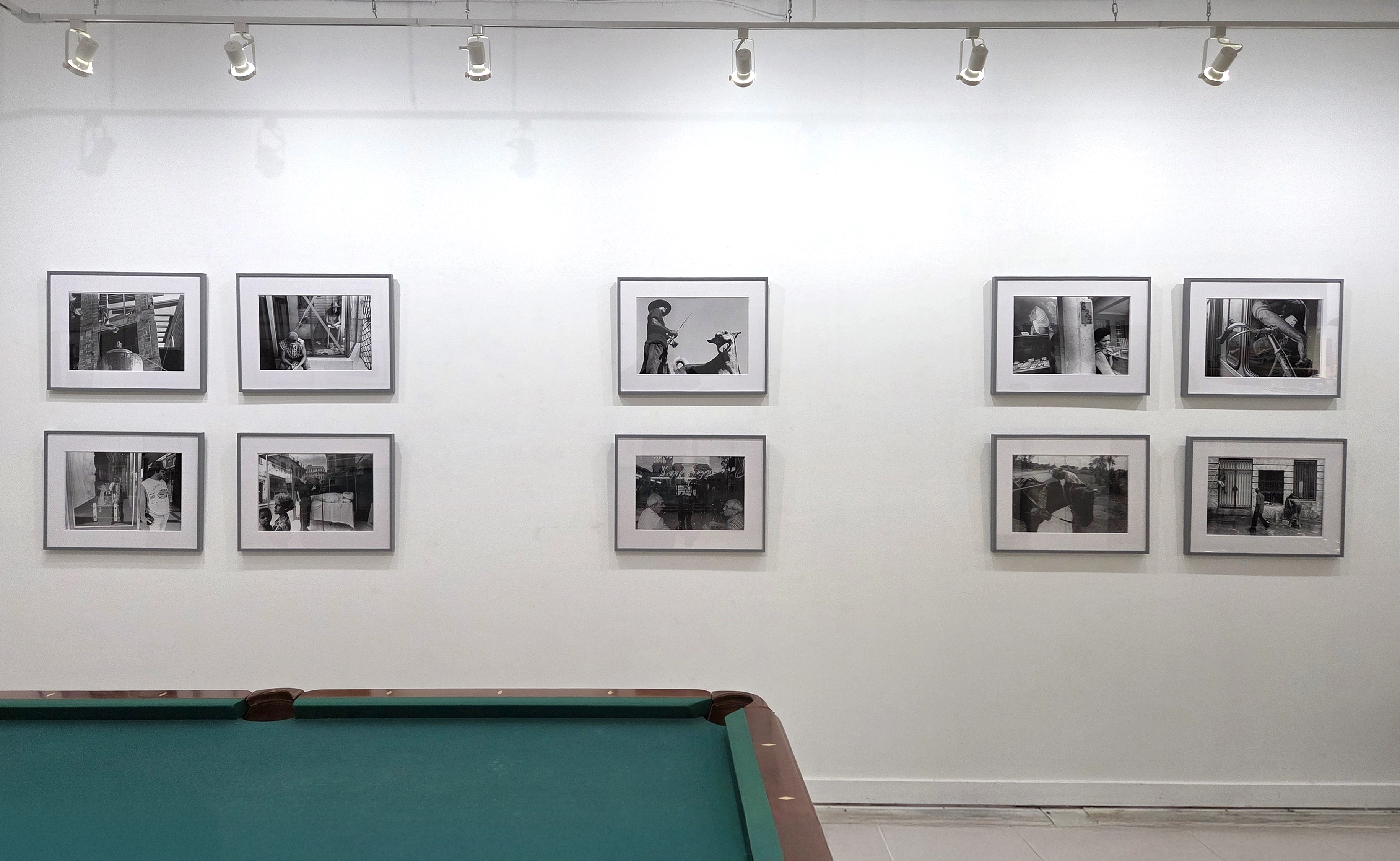
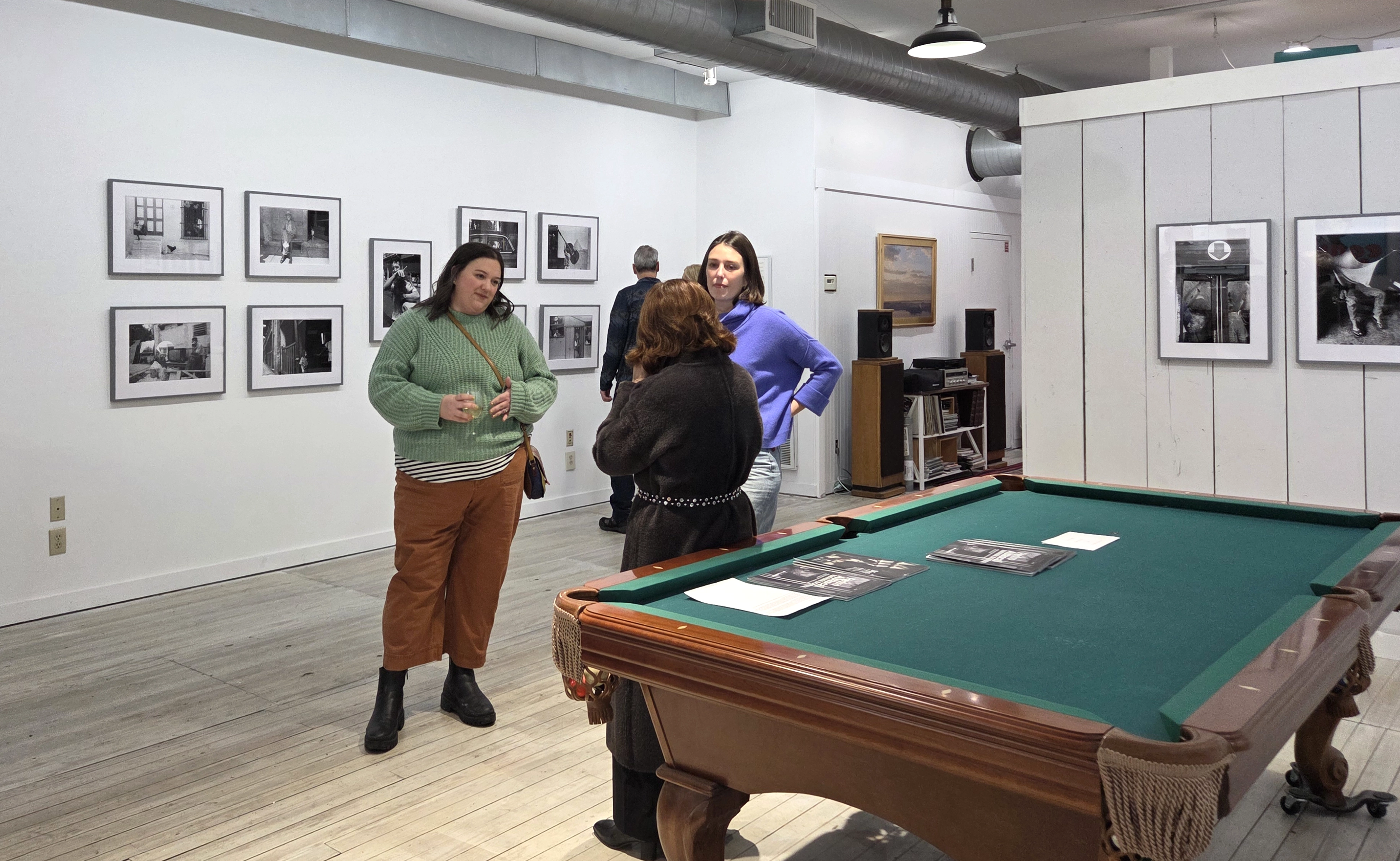
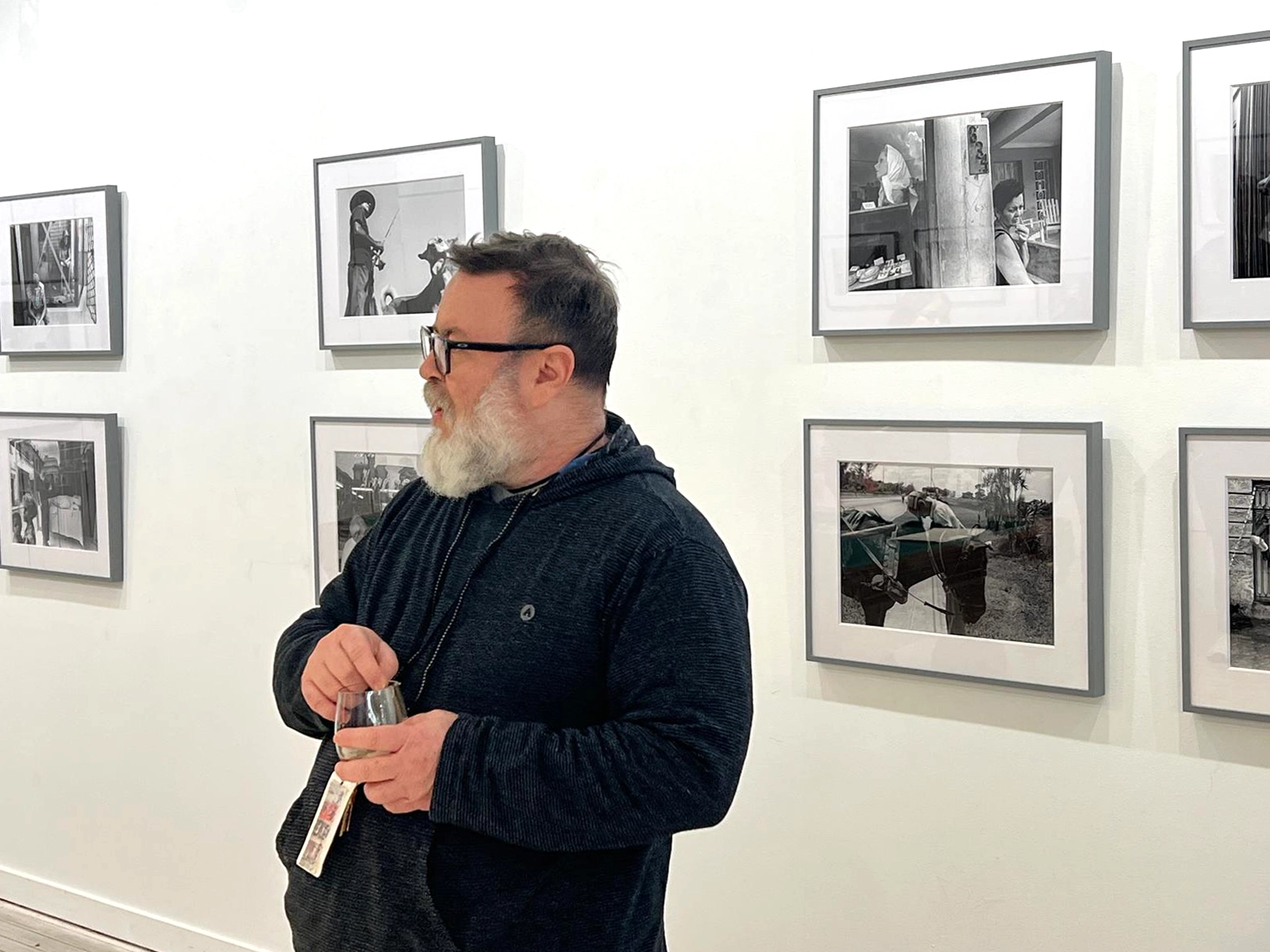
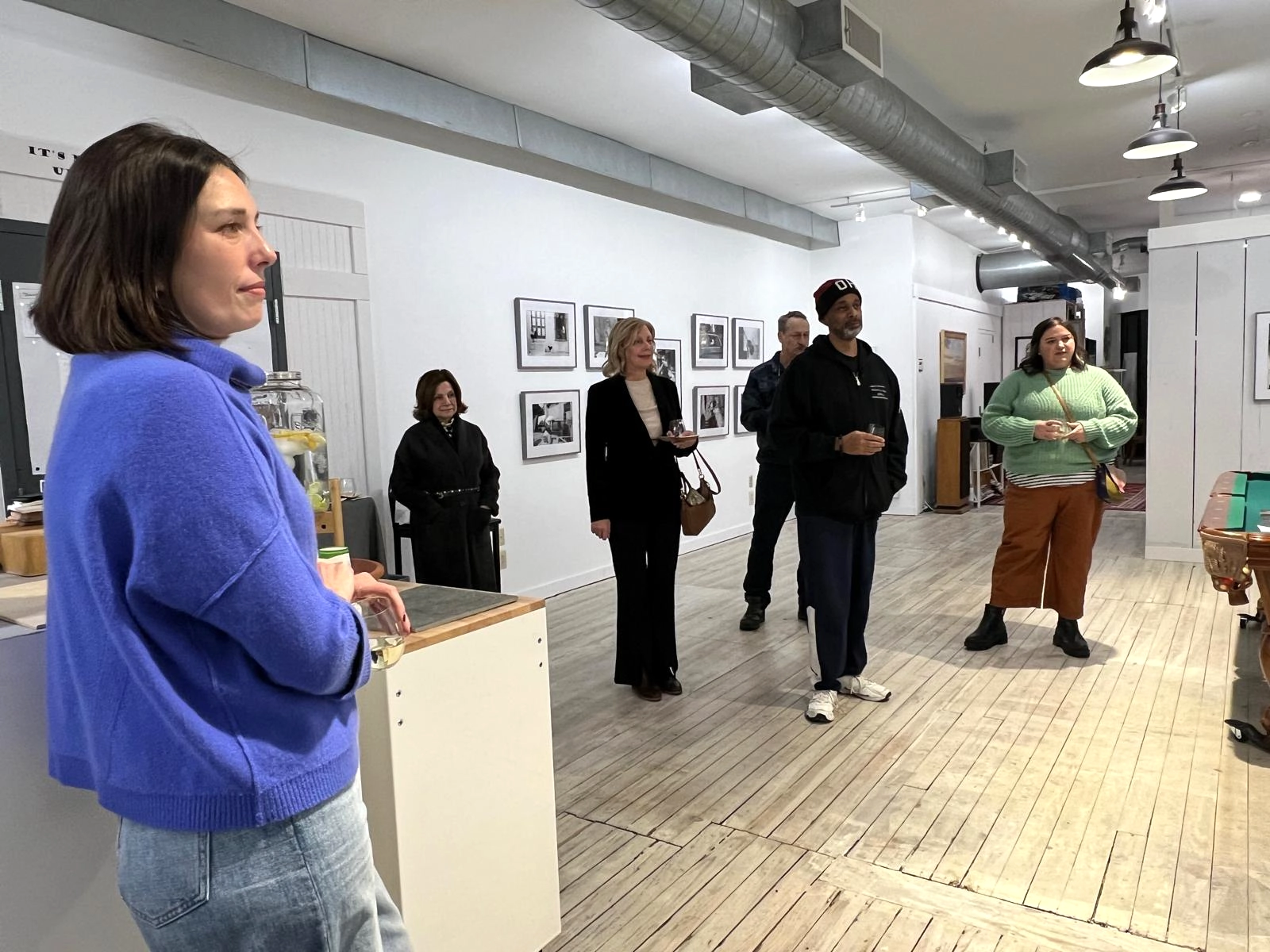
Between January 30 and February 14, 2026, Dossier Havana was presented at The Annex Gallery as one of the most consistent proposals within its recent program. The exhibition brought together a selection of photographic works by Pedro Abascal, structured as an open visual archive on Havana, where the city appears not as background, but as an object of observation.
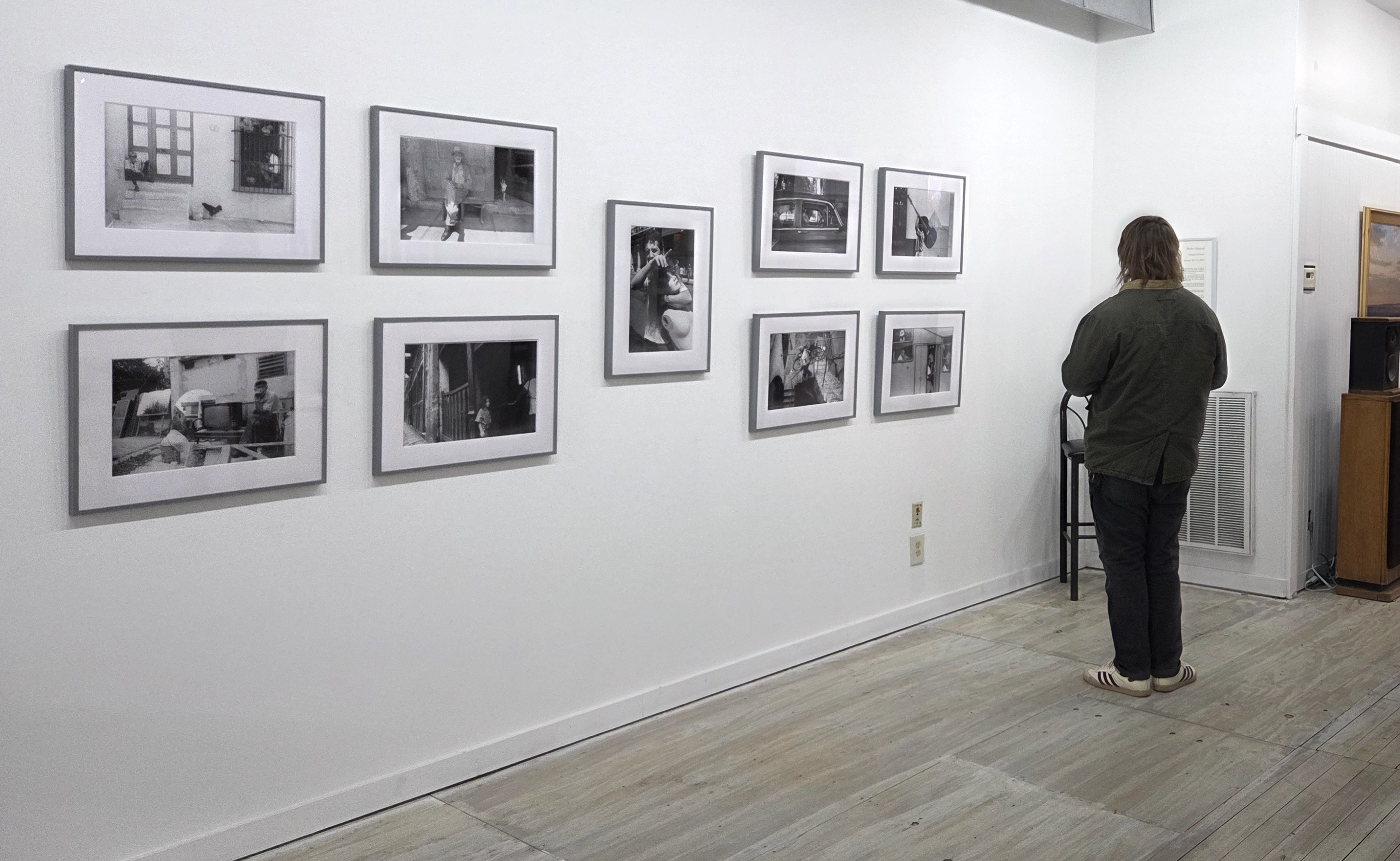
The work avoids the conventions of documentary practice. Abascal has not been defined by denunciatory photography or by the usual strategies of spectacle. The images operate within a point of tension where the everyday acquires weight as a sign. Gesture, surfaces, and urban residue are presented with restraint, without forcing a closed reading.
Conceived as a “dossier,” the exhibition refers both to the archive and to fieldwork. The photographs function as partial records within an ongoing investigation. Havana is not organized as a single narrative. It appears as a set of fragments shaped by persistence, fragility, and the direct experience of those who inhabit it.
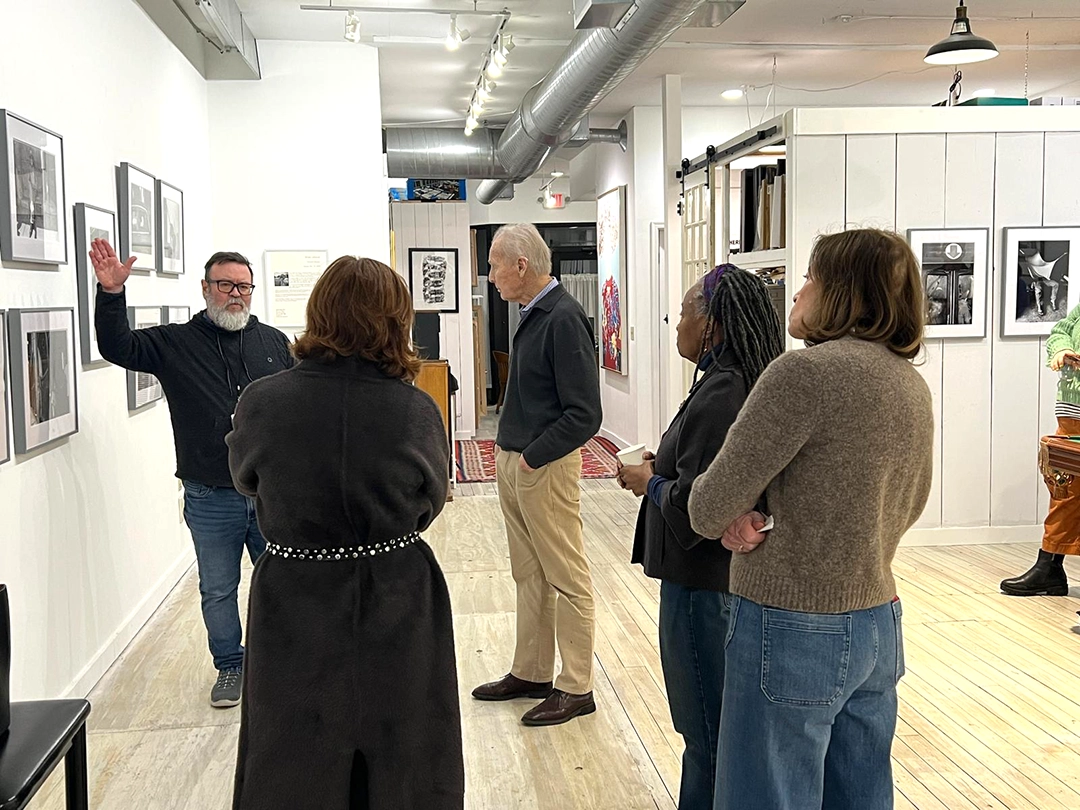
The opening, within the context of the Over-the-Rhine district, brought together representatives from relevant institutions in the cultural environment, including FotoFocus and The Carnegie. Their presence confirmed the interest generated by Abascal’s work and the gallery’s ability to position itself within a broader institutional dialogue.
Within the program of The Annex Gallery, Dossier Havana also operated in relation to exhibitions such as Pedro Abascal: A Catalogue of Errors and What Jazz Pieces, reinforcing a curatorial line centered on the image as an analytical tool.
Dossier Havana does not propose a closed image of the city. It places the viewer in a position of reading, where images do not explain and instead demand attention.




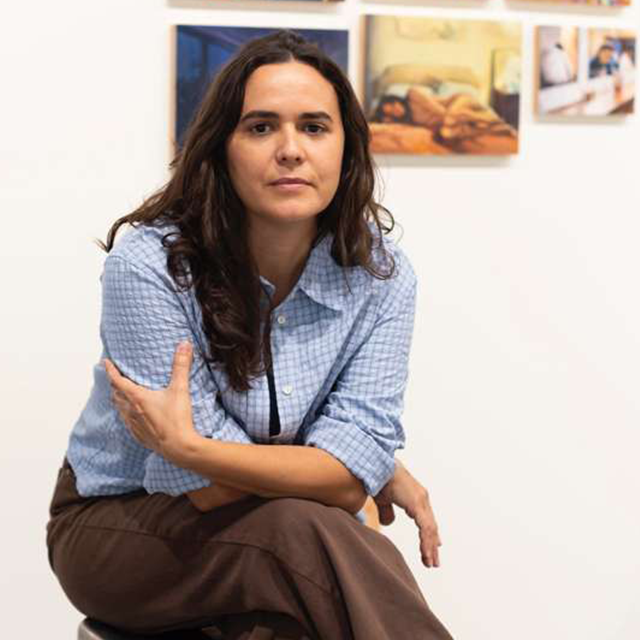
In encounters with certain works of contemporary visual art, perception activates modes of association that situate aesthetic experience in territories where matter, gesture, and time intertwine. Elizabet Cerviño’s (Manzanillo, Cuba, 1986) exhibition The Rhythm of Resilience, recently presented at Gallery 114 in Ybor City, Florida, unfolds within this horizon.
Evelyn Sosa and Leticia Sánchez Honored for Their Artistic Contributions


.svg)