1310 PENDLETON STREET CINCINNATI, OH
| (513) 407-7077 | WED - SAT 11:30 AM - 4:00 PM

THE
ANNEX
NEWS

Shipibo 'dieta' and the cyanotype
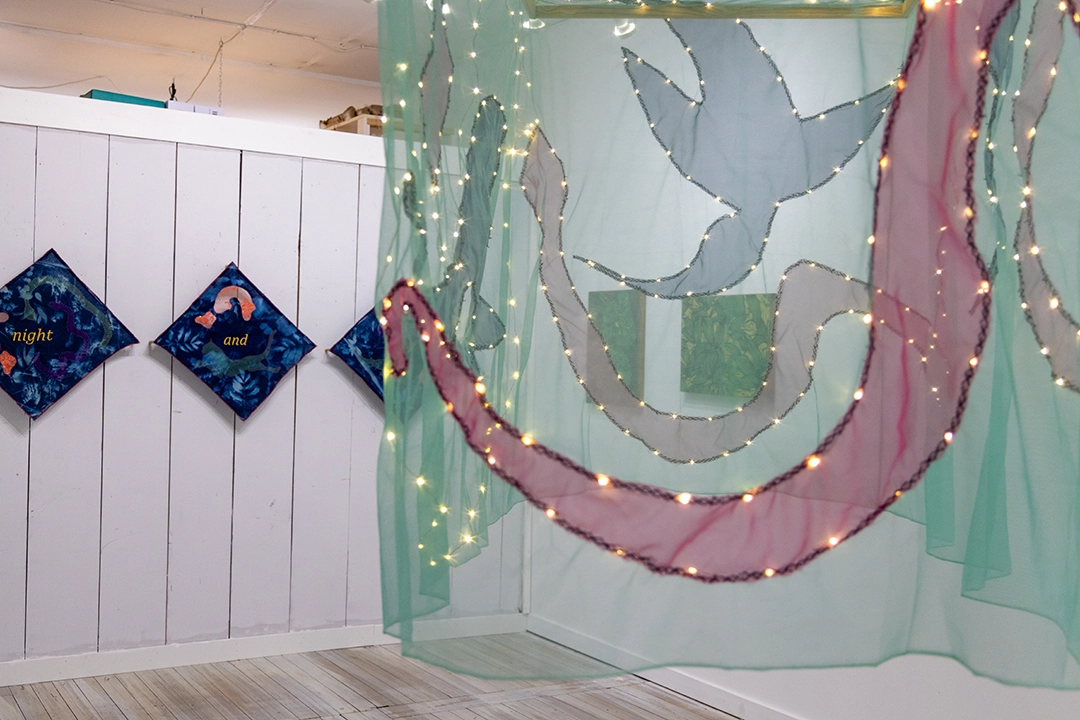
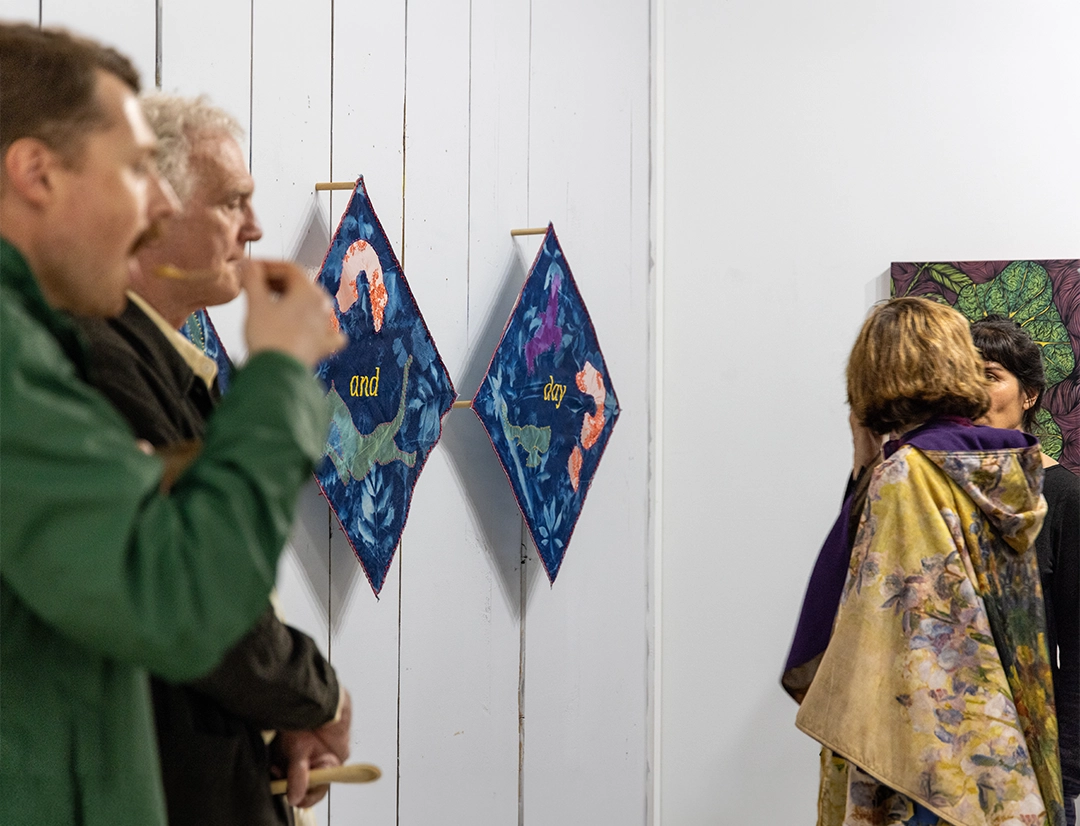
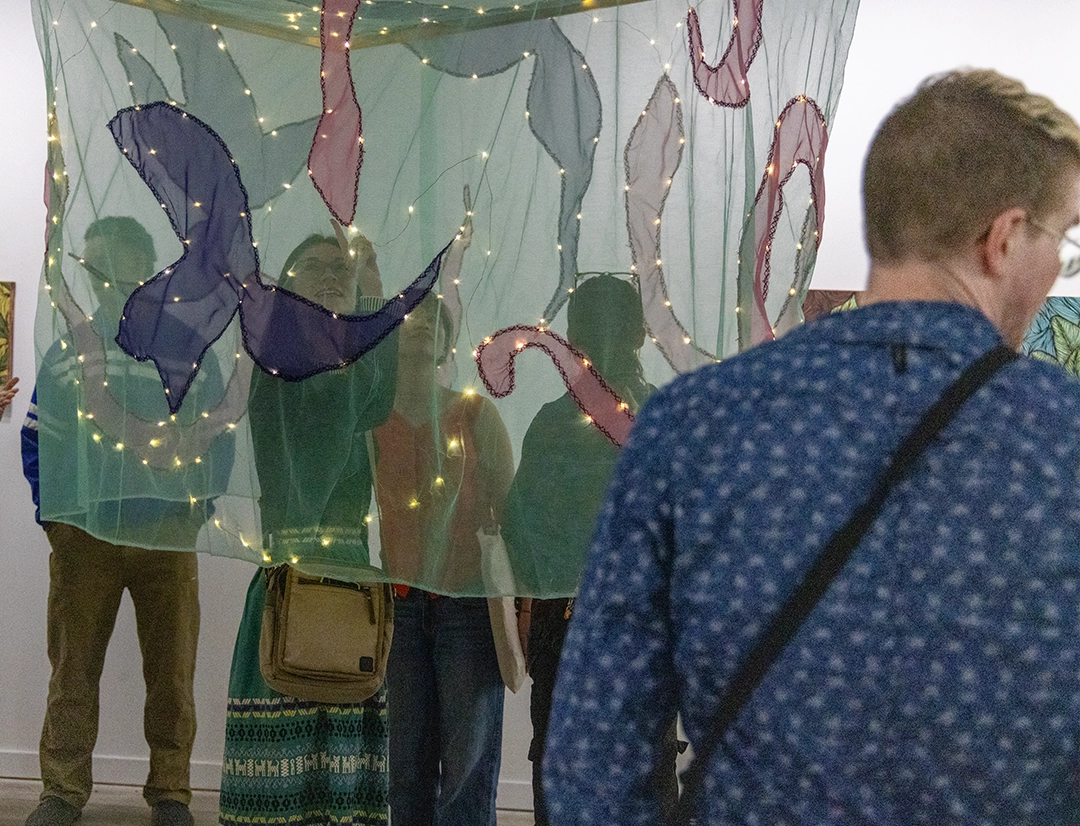
Amazonia, the solo exhibition by Julia O. Bianco, brought together a body of work developed through the artist’s sustained engagement with the Shipibo Indigenous community of the Peruvian Amazon. The exhibition combined watercolor and ink on paper, embroidered textile works, illuminated cyanotypes, and installation, articulating a visual meditation on medicinal plants, the Amazonian dieta —or samá in Shipibo— migration, family inheritance, and the ethics of reciprocity.
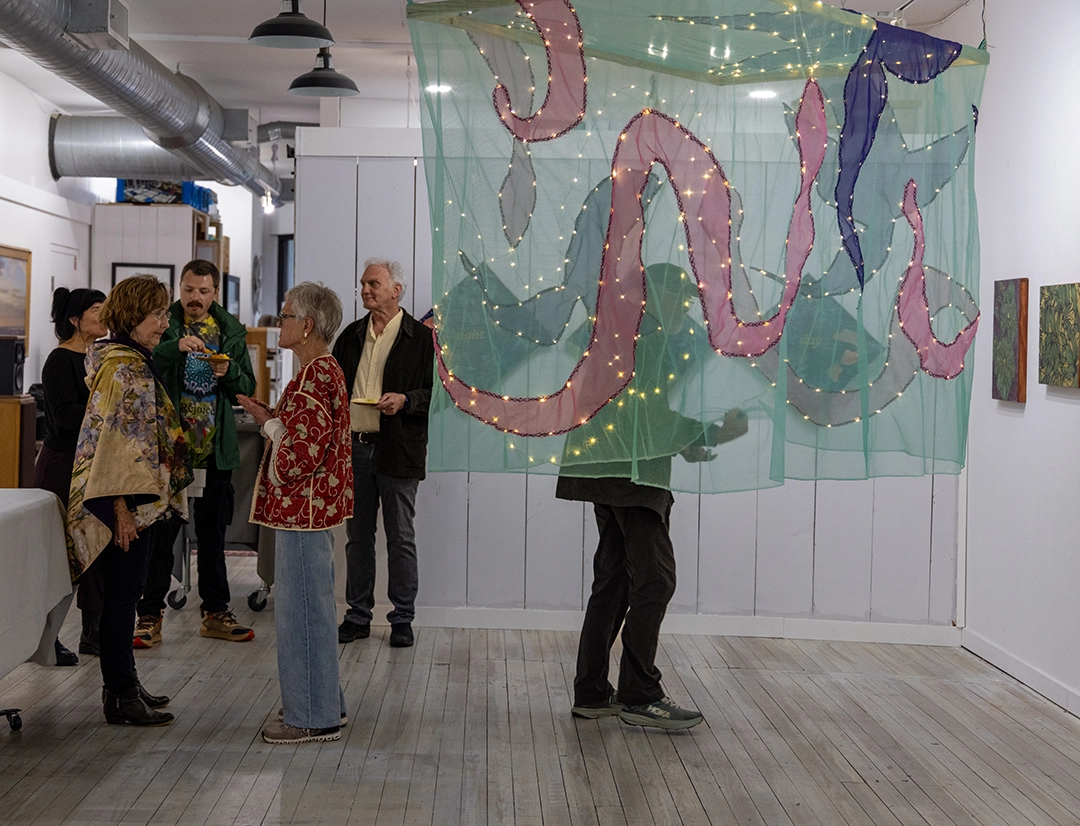
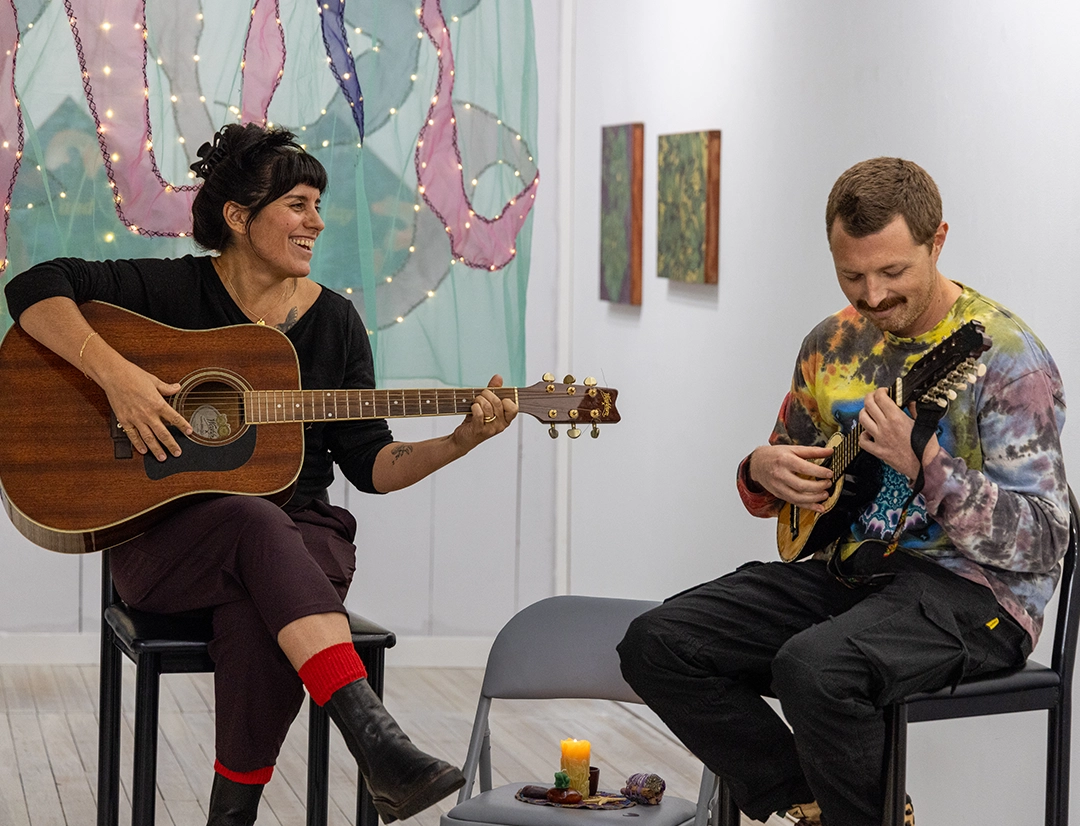
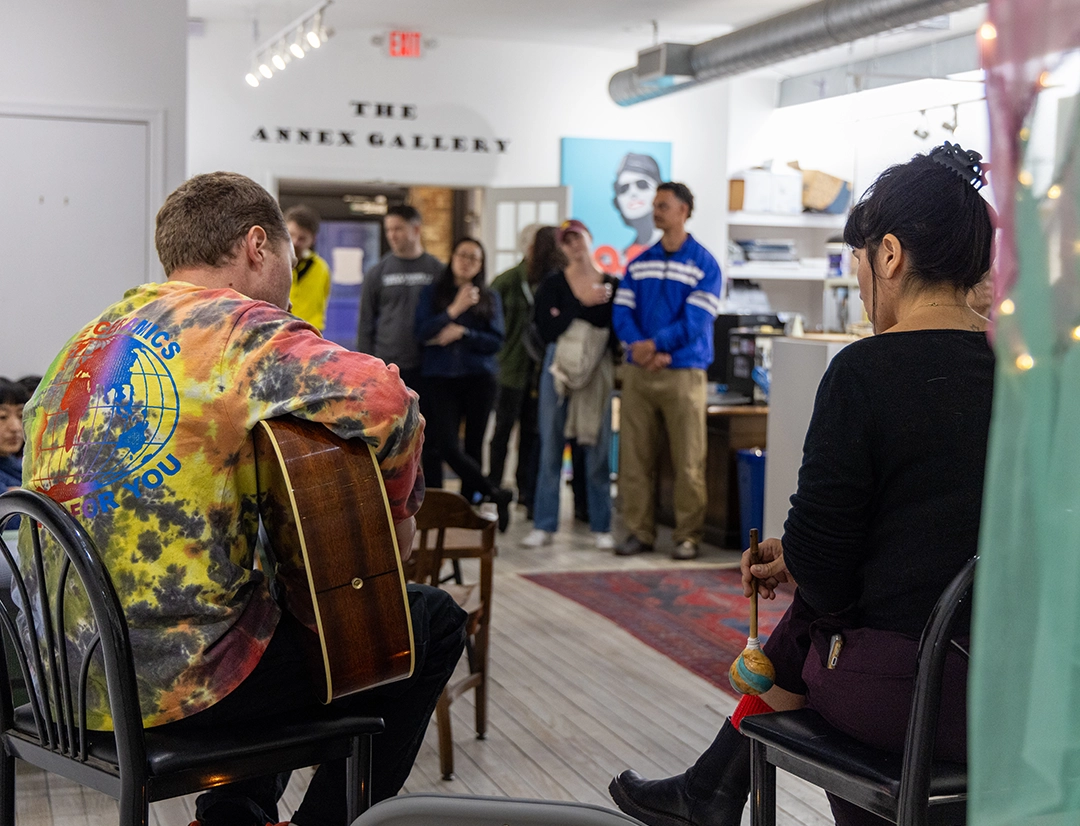
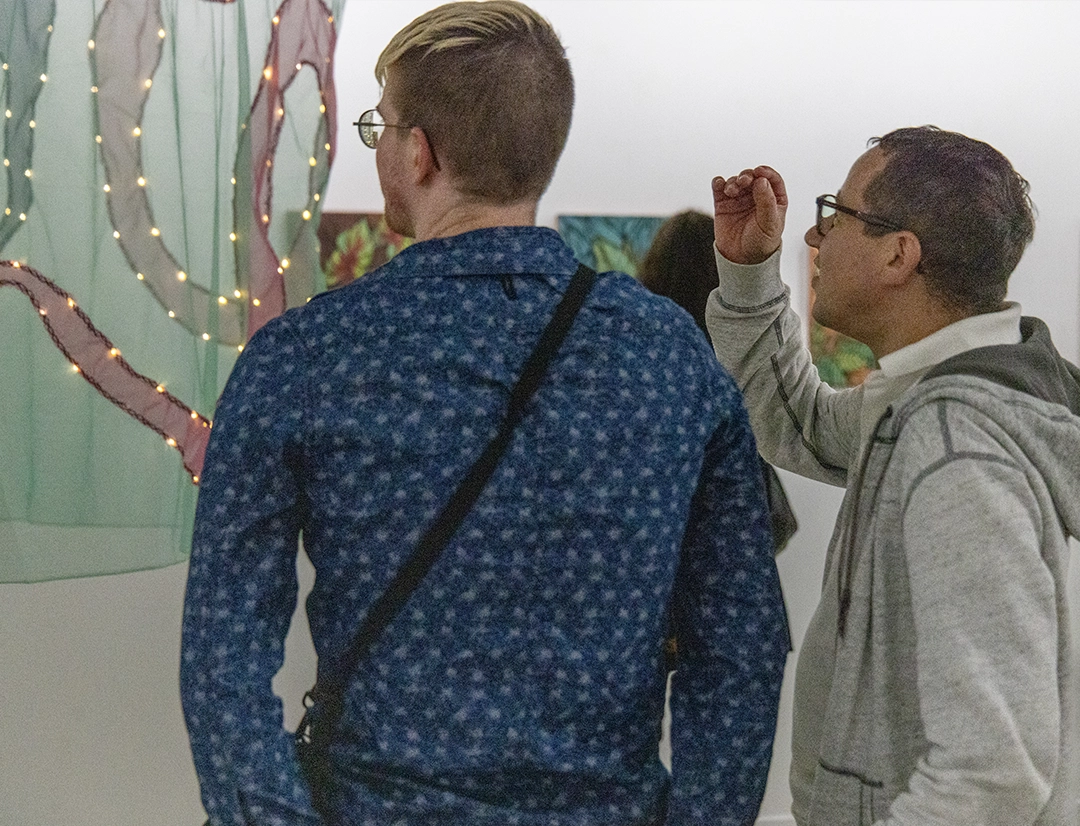
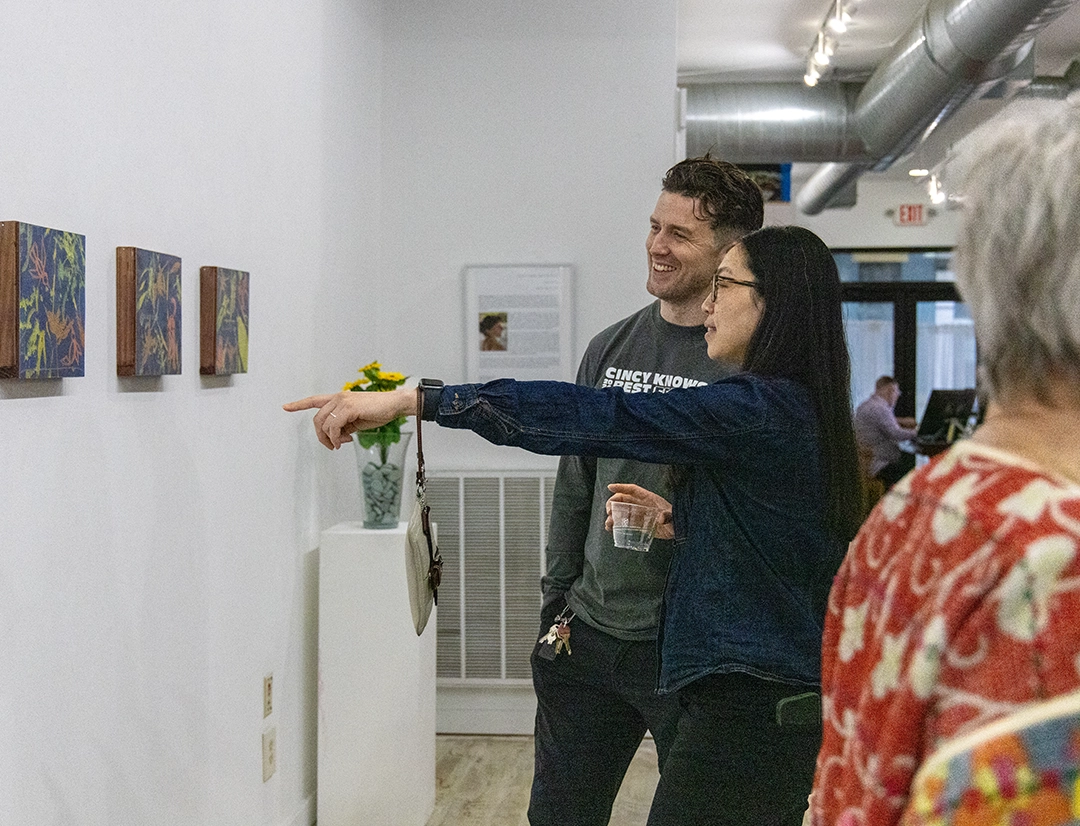
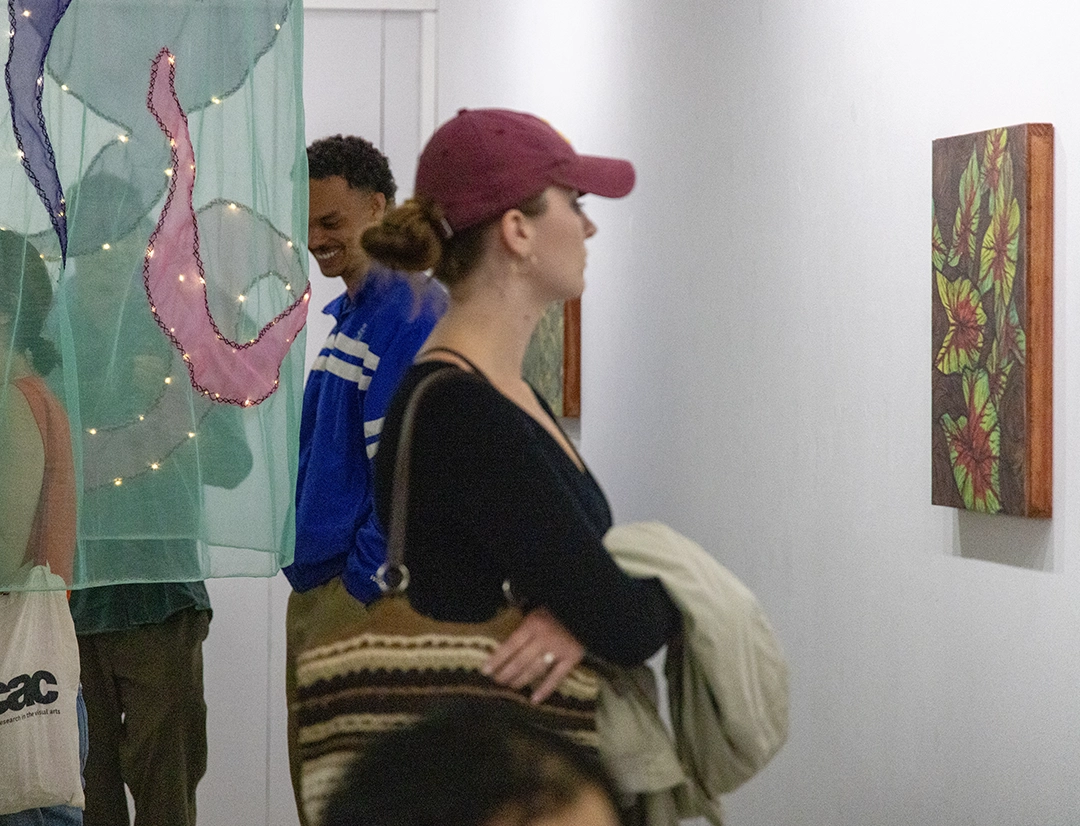
The opening reception gathered more than one hundred visitors, including friends, artists, collectors, and art lovers, who came together to accompany Julia in a deeply personal and atmospheric presentation. The evening unfolded as an exhibition opening and a shared moment of listening, memory, and communal gathering.
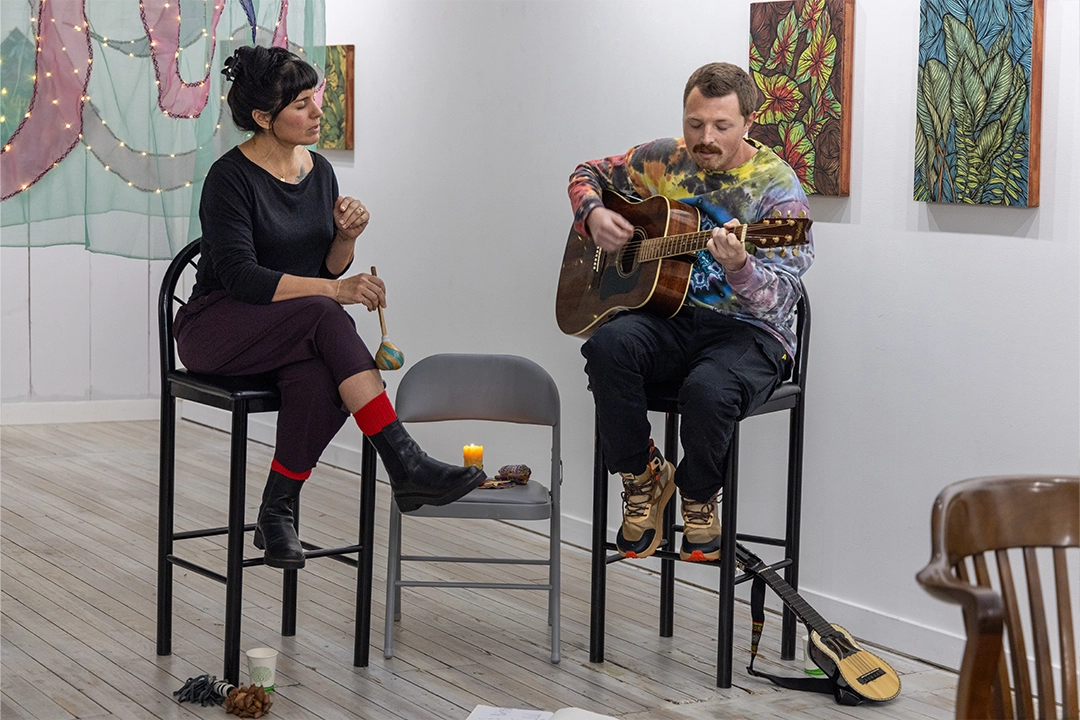
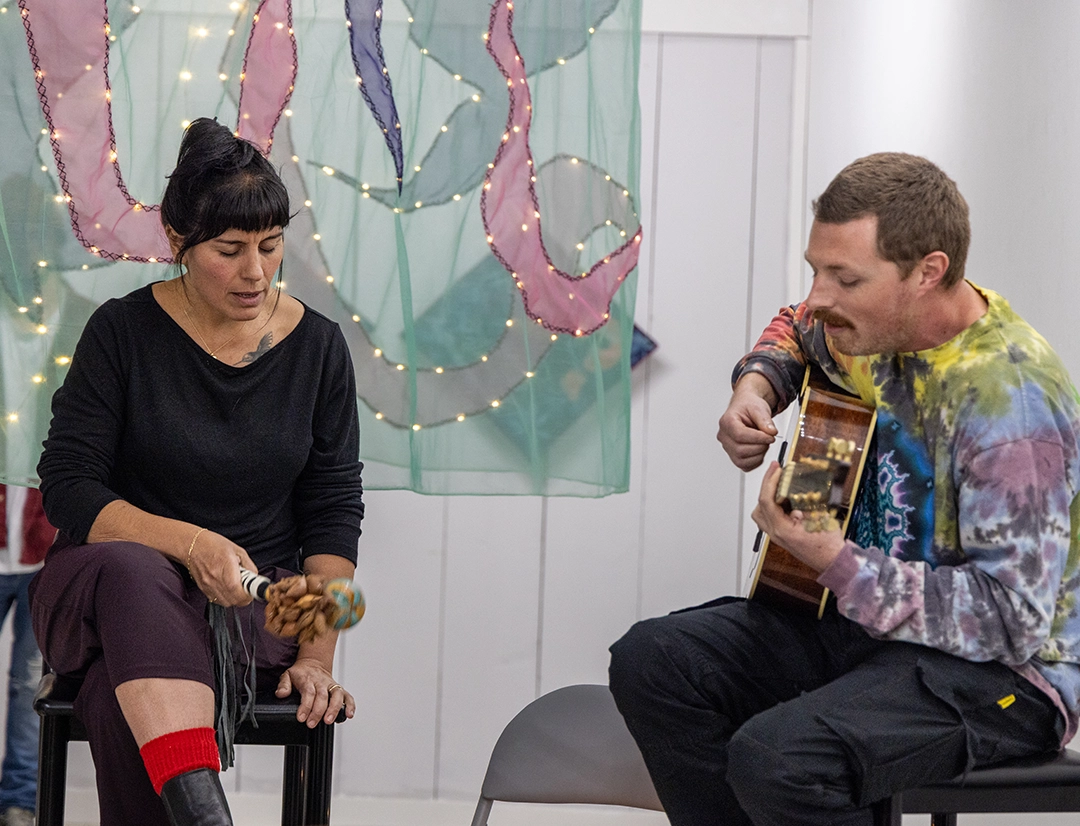
One of the most intimate moments of the event occurred when Julia sang a group of songs connected to her own process of healing. Within the Amazonian context that informs the exhibition, these songs resonate with the tradition of íkaros—sacred or medicinal songs associated with plant knowledge, ceremony, protection, and spiritual restoration. Rather than presenting them as a direct ritual performance, Julia’s performance opened a sensitive space between voice, body, memory, and the living presence of the plant world that runs through the entire exhibition.
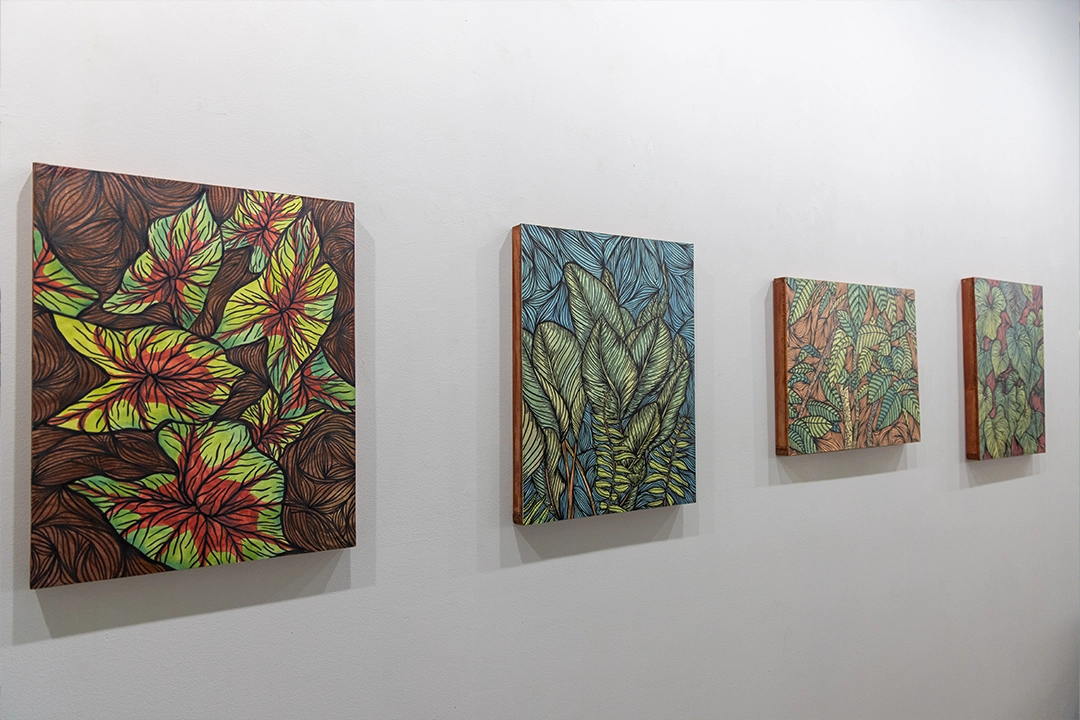
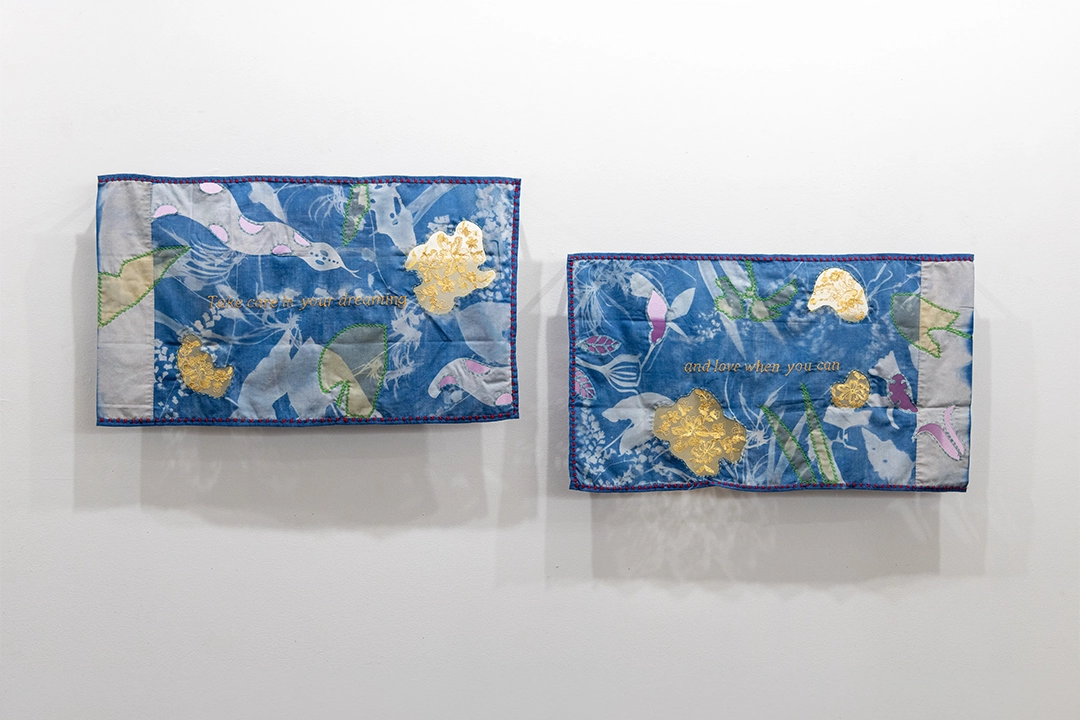
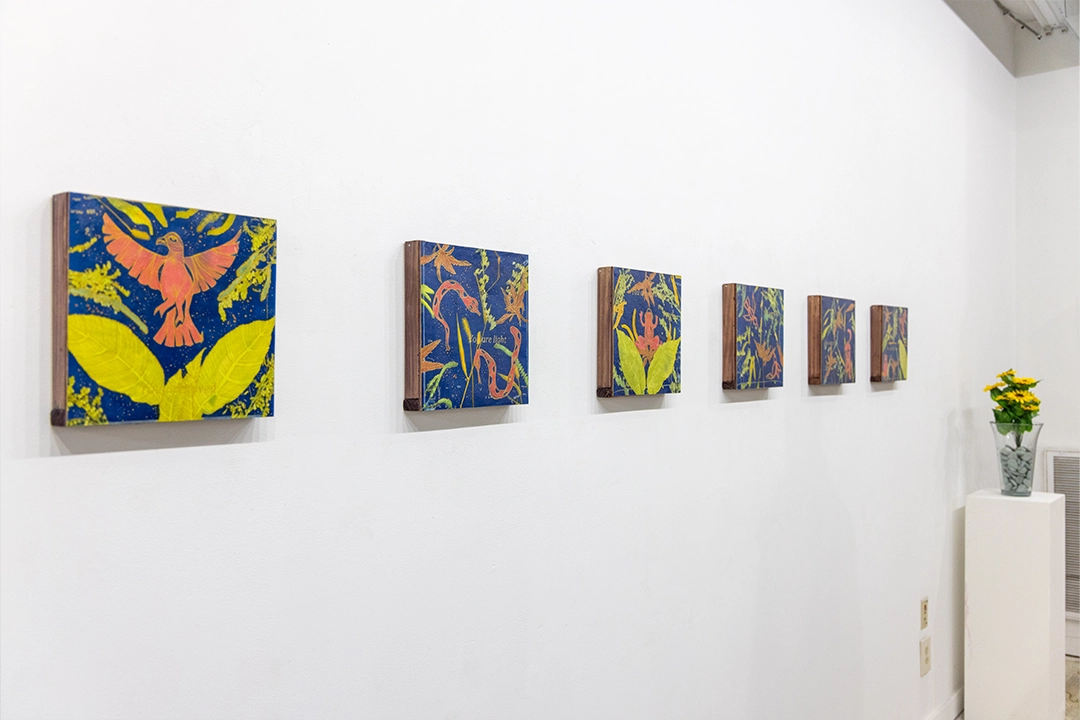
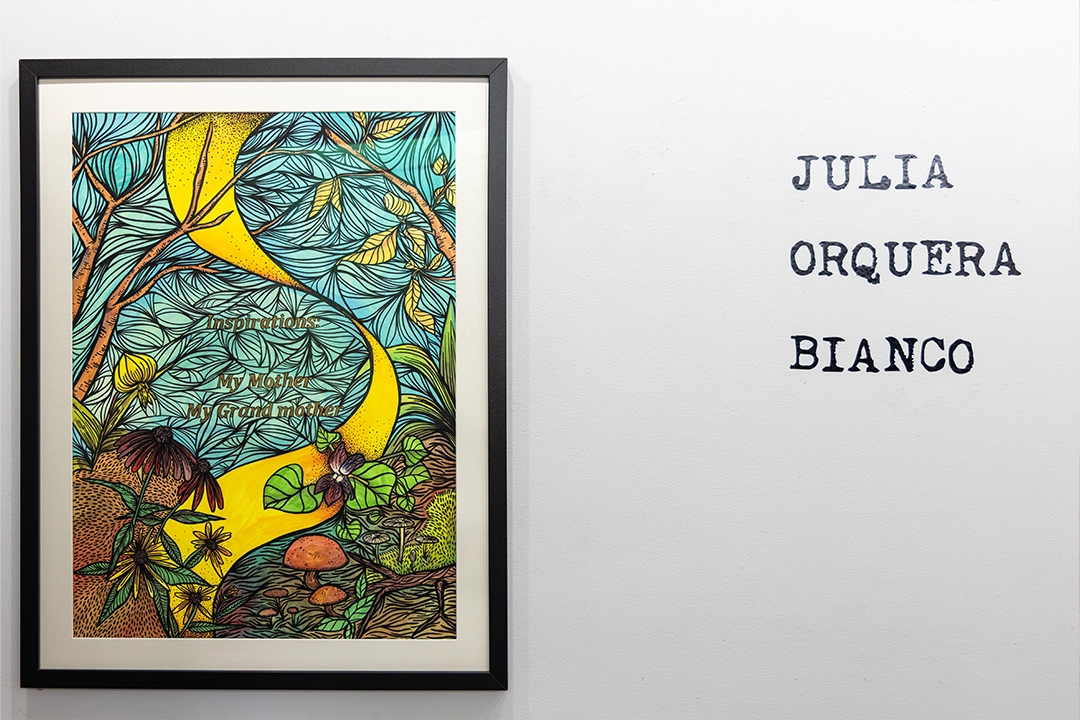
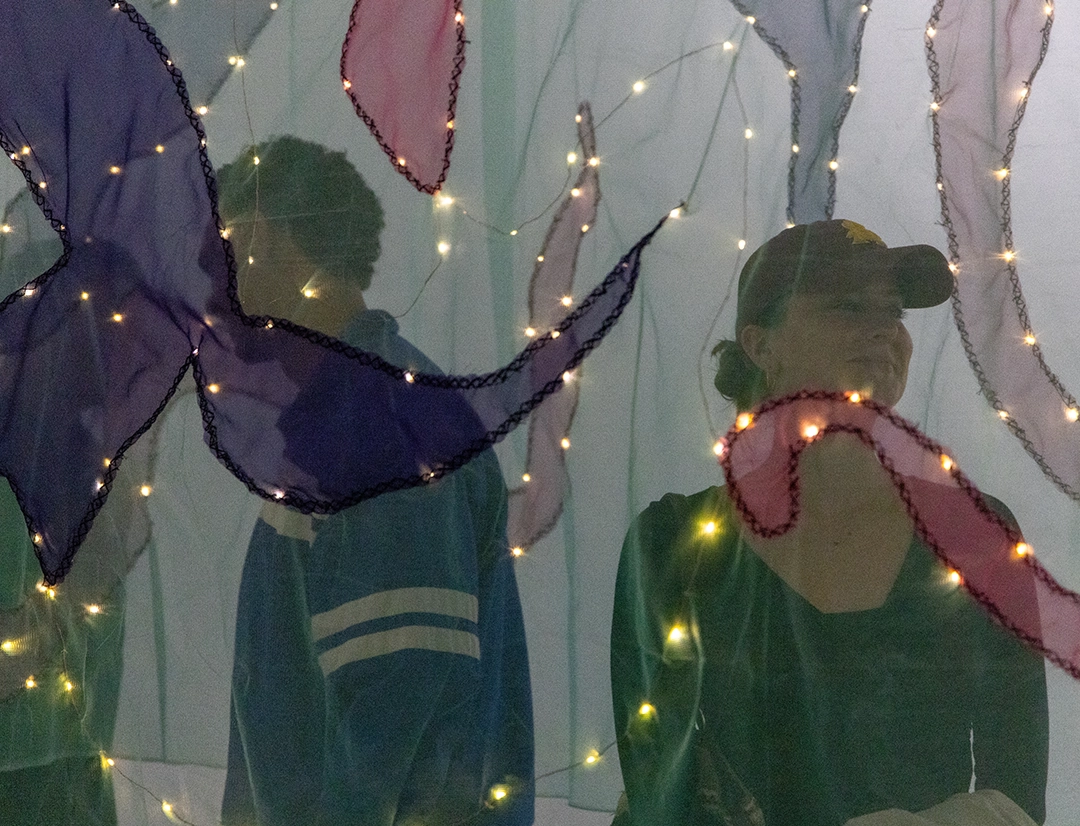
Through its different bodies of work, Amazonia transformed lived experience into image, fabric, light, and sound. The exhibition moved between the intimate and the cosmological. The solitude of the dieta, the discipline of manual work, the symbolic presence of animals, the protective space of the mosquito net, and the blue luminosity of cyanotype as a trace of plants, sunlight, and time.
In this sense, Amazonia was not conceived as a representation of the rainforest, but as the record of a relationship. Julia’s encounter with a territory to which she approaches as a guest, with humility and attention. The exhibition posed questions about art, healing, and migration through the lens of listening and reciprocity.





Given its scale and significance, I will present my analysis of this project in several installments. These are the ten design proposals shortlisted for the next series of euro banknotes. At this moment, they are under the gaze of millions. Citizens of the euro area have been invited to choose their favorites in a survey that will remain open until September 21...

PRESENTED AS PART OF THE 2026 FOTOFOCUS BIENNIAL: THE LONG VIEW
.svg)