1310 PENDLETON STREET CINCINNATI, OH
| (513) 407-7077 | WED - SAT 11:30 AM - 4:00 PM

THE
ANNEX
NEWS

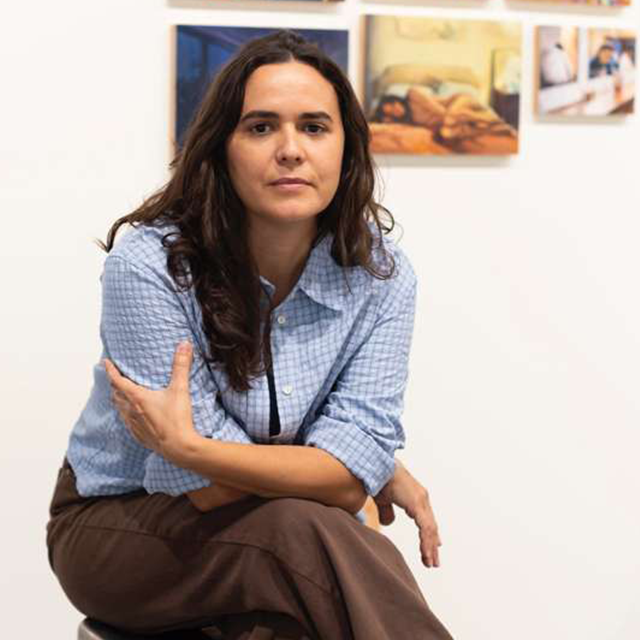
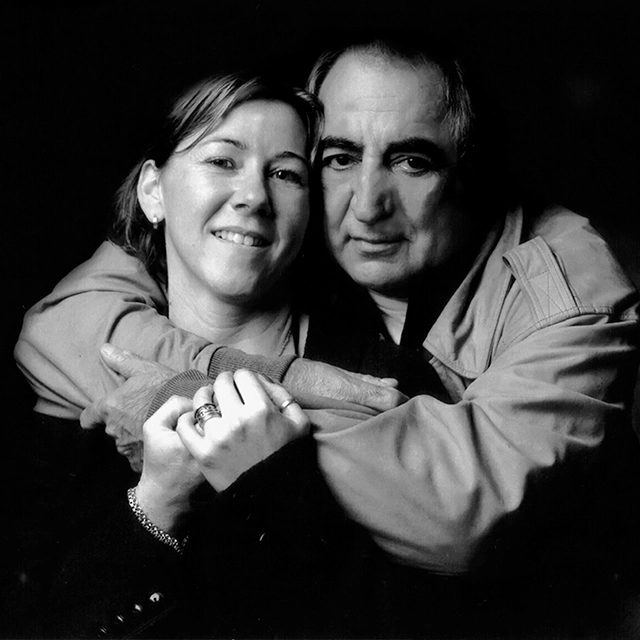
Evelyn Sosa and Leticia Sánchez Honored for Their Artistic Contributions
Apparent alignments of five or six planets occur with relative frequency. Gathering seven within the same visible band of sky is a far less common phenomenon, limited to only a handful of occasions per century, and the coincidence of all eight planets is rarer still. A perfect alignment of them all is virtually impossible.
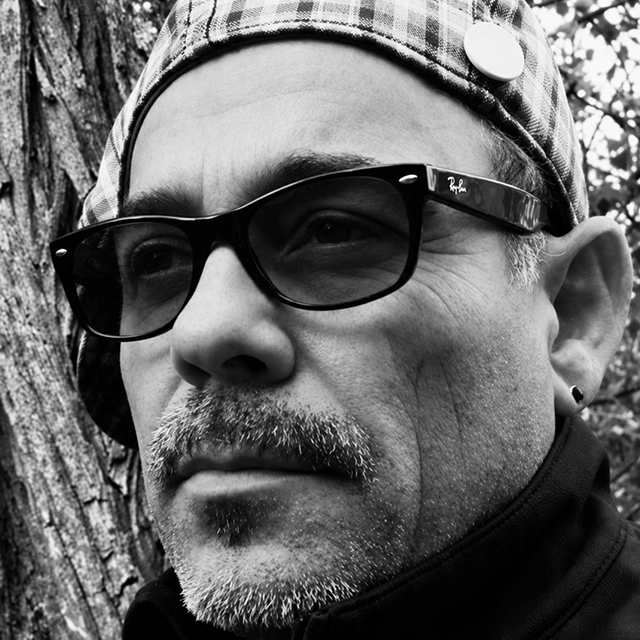
The following interview was published by Hypermedia Magazine on July 9, 2019, as part of its section “The Forms of Violence.” Today, with Juan-Sí’s explicit authorization—and, presumably, that of its author, who died in Havana a few years ago—we reproduce it in the Annex News Section on the occasion of his exhibition I.T.I.N.E.R.A.T.I.O.N.S. at The Annex Gallery.
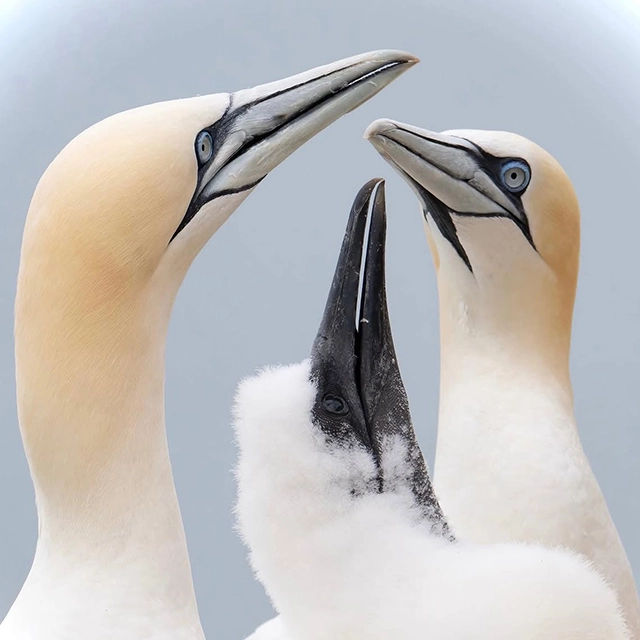
Like so many other wildlife photographs, this one immediately caught my attention. It was published in Digital Camera World, issue 312, October 2026, in the Reader Gallery section. A space intended to give visibility to work submitted by readers, with no distinction between amateurs, emerging photographers, and established professionals. They do not seem particularly interested in any genre or style, only in creativity...
New Scientist International Edition, Vol. 271, No. 3610, August 29, 2026, publishes three photographs that, during the selection process for Wildlife Photographer of the Year 2026, made a favorable impression on the jury. This does not mean they are already the winners, and I have no idea why they are being publicized now.
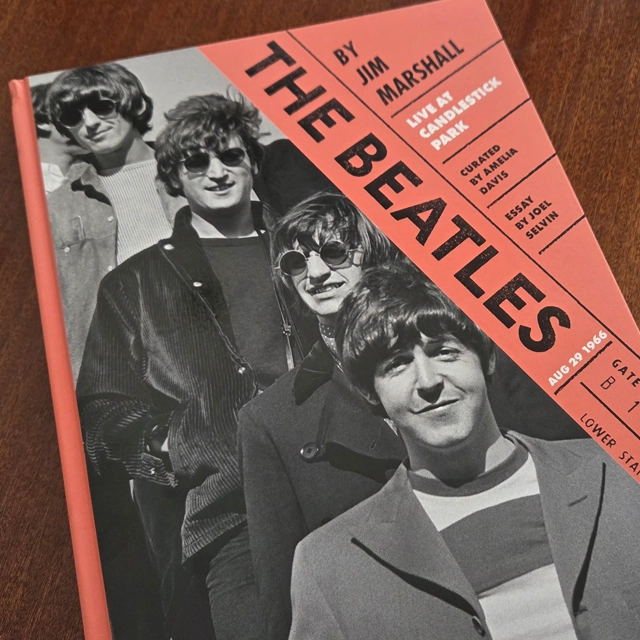
In July, 2026 Annex Gallery presented a selection of Jim Marshall’s photographs documenting episodes and leading figures of the Civil Rights Movement in the United States during the 1960s. Preparing the exhibition and, above all, the research that accompanied it proved enormously enriching for me. It gave me a glimpse into the vast legacy of a photographer I had barely known before and whose work has since become familiar to me and, somehow, dear.
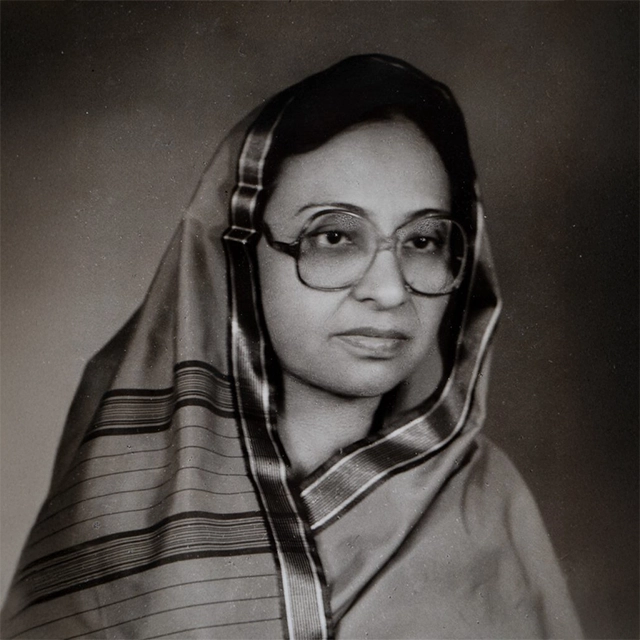
The Serendipity x Arles Grant has a history of barely six years. It was established in 2020 by the Serendipity Arts Foundation and Les Rencontres d’Arles, with the support of the Institut français en Inde, to foster South Asian artists working with photography, video, artificial intelligence, and other image-based media...
Jim Marshall, a renowned photographer celebrated for his iconic rock-and-roll images, captured unforgettable moments in music history. You may recognize his work, such as the famous photograph of Johnny Cash giving the finger at San Quentin Prison, Jimi Hendrix lighting his guitar on fire, or exclusive shots from the Beatles’ last performance...
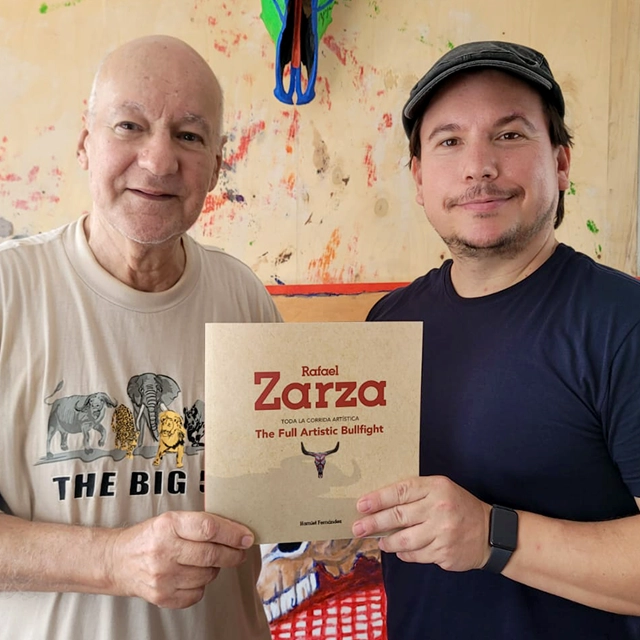
Yesterday afternoon, essayist and art critic Hamlet Fernández presented renowned Cuban painter and printmaker Rafael Zarza with several copies of Rafael Zarza: The Full Artistic Bullfight, a volume devoted to the study of the artist’s extensive creative career. This bilingual publication is the first editorial project jointly produced by The Annex Gallery, Rosenkrantz Editions, and r10studio.
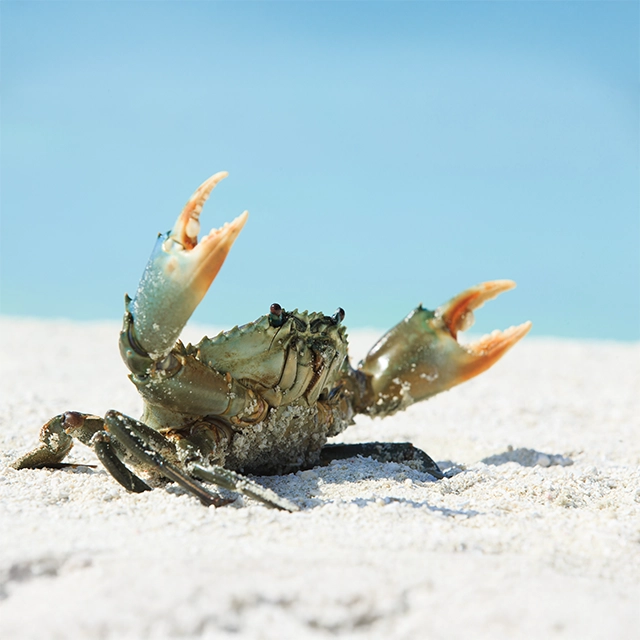
Science magazines — the serious ones, and even the popular-science ones — very often bring us stunningly beautiful photographs of what actually is. Natural splendor, the marvels of the world. They aren't art photographs; they don't denounce problems, or systems, or the routine aberrations of the human world. They are for the curious, for those with a child's soul. And yet the photographers who take them can be considered full-fledged artists. All the more so in these days of ours, when anything at all lays claim to artistic status.
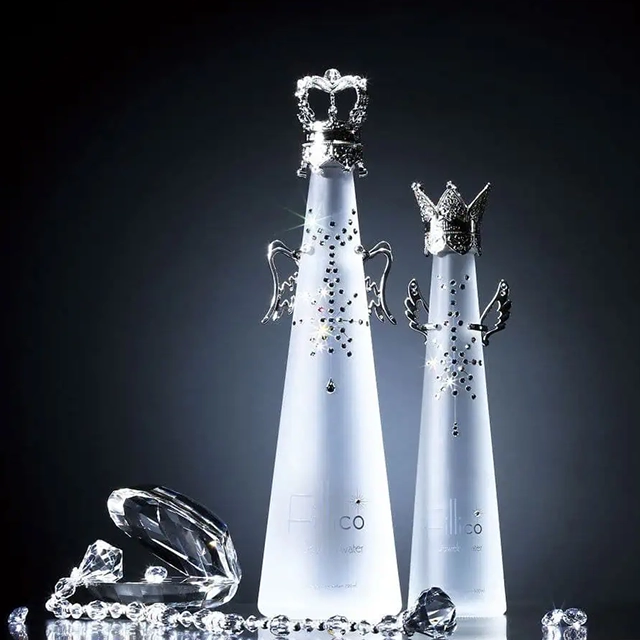
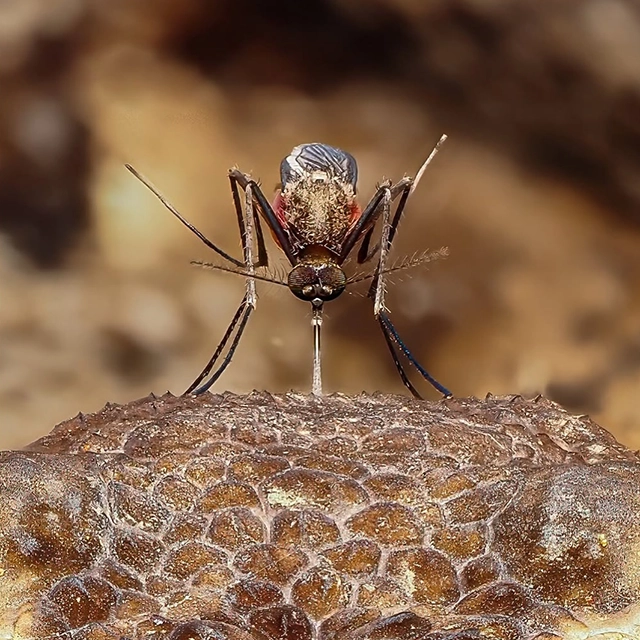
This photograph set off my alarms at once. Not to the degree of a contemporary First World mother, of course, though enough for me to notice. Whenever I took Yoko—my dog—for a walk, I watched to make sure she never put anything in her mouth. Nothing. So I share, in moderation, the collective hysteria that has turned hygiene into a cult of asepsis.
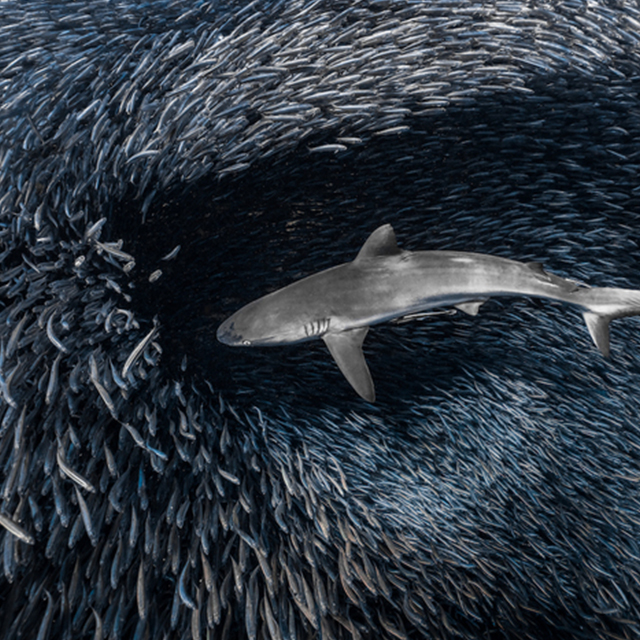
On June 21st we discussed a beautiful photograph, winner of the Grand Prize in the 2026 edition of the Environmental Photography Award, organized by the Prince Albert II of Monaco Foundation. Every time one of these images triumphs, I ask myself which ones fell short. Which failed to stand out, which came so close to unseating it. Here are the ones that came closest.
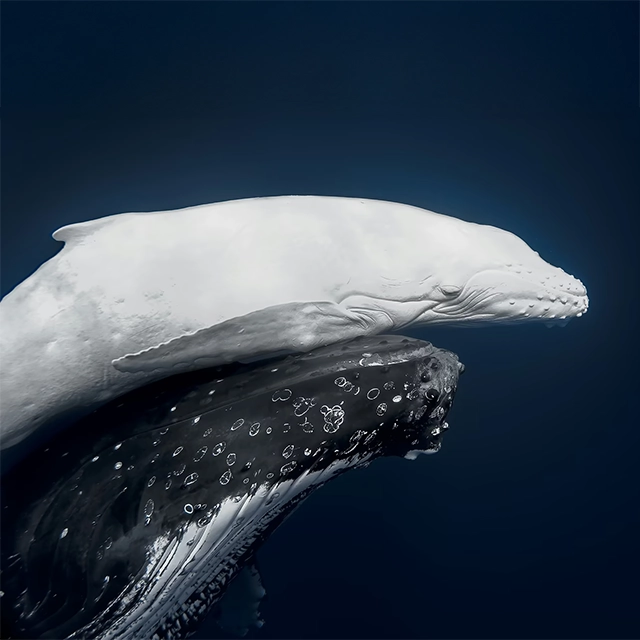
A few days ago, I wrote about the photograph that received first prize in the Nature Careers Working Scientist Photo Competition. The competition is intended for researchers, students, and people working in science. They were asked to stake everything on a single horse: one photograph of their own work. In the laboratory, in the field, among instruments and samples, on an expedition, within the sometimes precarious intimacy of a research team at work.
The winning photograph of the 2026 Environmental Photography Award shows a green sea turtle (Chelonia mydas) swimming underwater, enveloped in an unusual glow.
At first glance, the image presents itself under the sign of an almost hypnotic serenity: a spectral, totemic turtle rises within an indistinct yet vaguely familiar field. We notice, with a pale flicker of surprise, the imprint of a human hand inscribed upon its shell...
In Book XXXV of his Natural History —Naturalis Historiae libri XXXVII— Pliny the Elder, while addressing the origins of modelling in clay, recounts the story of Butades, a potter from Corinth. Western scholarship places this account around the sixth century BCE. Butades had a daughter who loved, with uncommon intensity, a young man suddenly compelled to leave on a journey...
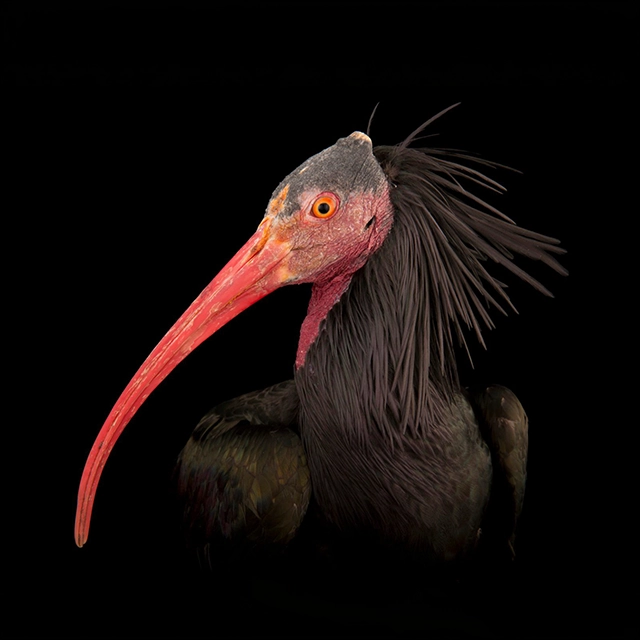
The hermit ibis (Geronticus eremita) is also known in Spanish as the northern bald ibis. Its scientific name points directly to the sparse, widely scattered feathers that protrude from its bald head and give it a lamentable appearance. This formal decrepitude can inspire a kind of compassionate affection, especially when the creature also has the face of an idiot, round eyes, and a stunned expression.
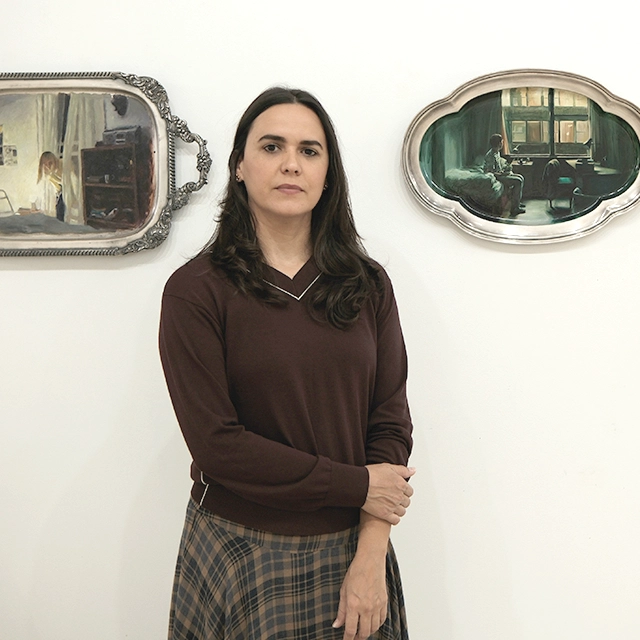
Two works from Leticia Sánchez Toledo’s exhibition remain in Cincinnati.
Two of the works from Leticia Sánchez Toledo’s recently closed exhibition at Annex Gallery will remain in Cincinnati. Offering an additional reading is hardly gratuitous, especially one that places them, for the local audience, within a more precise context. Works produced by emigrants seldom rest on purely aesthetic assumptions.

On June 3, Leticia Sánchez Toledo opens Docile Metals and Memory at The Annex Gallery, a series that delves into the material and affective memory of objects. The pieces were conceived from metal trays unearthed on Facebook Marketplace, at Sunday flea markets, and in secondhand venues. They are objects few still wish to keep in their original state — easy to come by, hard to maintain, awkward to place. Perhaps that is why they are perfect for a wall, an affectionate wink at the days when they quietly accompanied intimate gatherings and the small gestures of daily life.
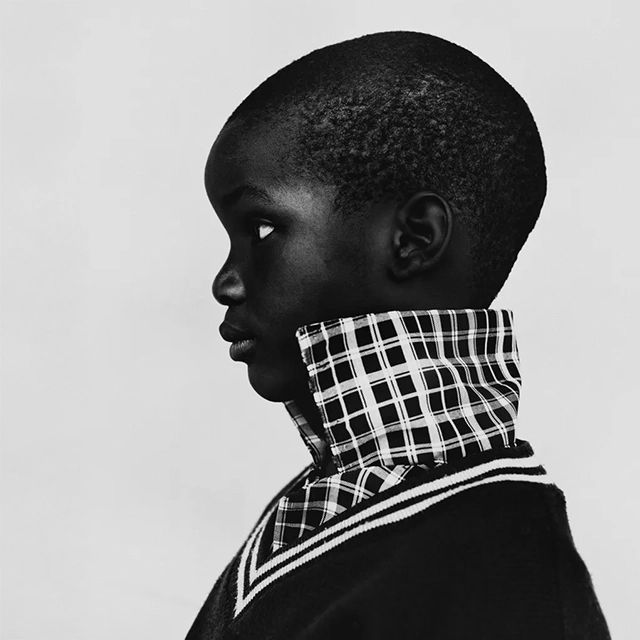
We accept this kind of photograph before we understand it. That is why we are here. They are striking, drawing on the same formal vocabulary inherited from Irving Penn and Richard Avedon, the great schools of studio portraiture on a flat ground. Ever since, we have surrendered to the magic of high contrast, to the shameful retreat of the second plane, of the surroundings, of the context. As though none of that added anything to the emotion or to a denser reading.

The photography of Daniel Regan
Before art, there was the image. The wind has been drawing linear patterns on the dunes for millions of years, always different and yet always recognisable. Water has polished stones into lovely pebbles, full of nuance. Polyps shape the corals themselves, raising branched, almost labyrinthine structures of extraordinary beauty out of blind secretions of calcium carbonate. Arabesques that art can imitate but never surpass...
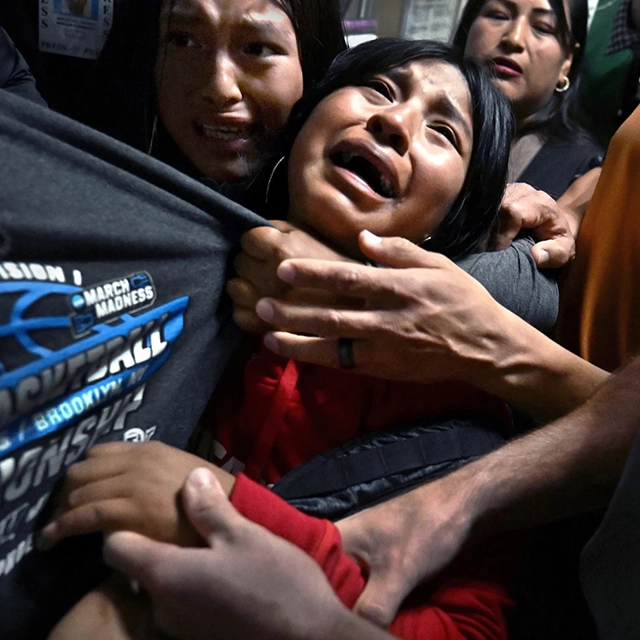
Though it isn't always evident, behind every prize-winning photograph several images coexist. The one captured by the photographer, perfectly visible, and the ones the system of recognition produces over time, deciding what that image will end up meaning.
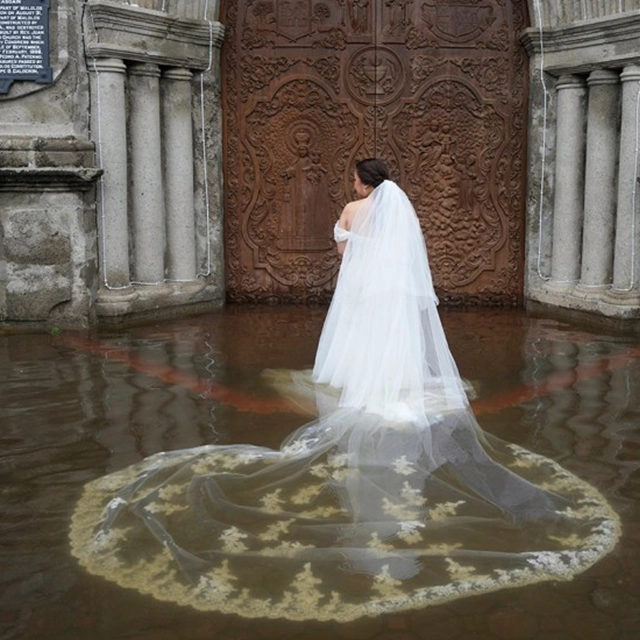
On December 10, I published a text on a photograph that, to my eyes, could stand without difficulty among the best of the year. Not long after, I encountered another article presenting the final selection for the World Press Photo Exhibition 2026. The photograph in question was among them. What remains now is a single doubt. Whether it will ultimately be chosen as Photo of the Year.
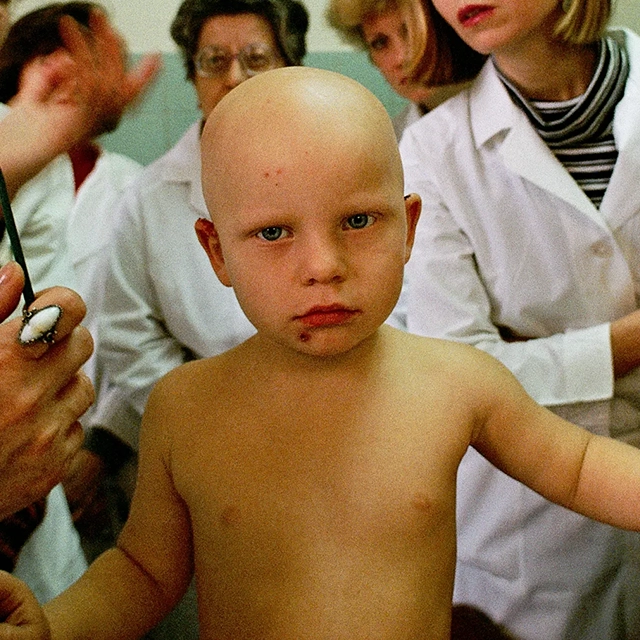
Chernobyl’s Human Pyres
On April 26, 1986, I was almost certainly bored out of my mind, sprawled in some corner of my apartment in Havana’s Vedado district. What I remember from those days is fear. A dense, persistent fear. The certainty that I could be swallowed by three years of mandatory military service. I clung to a girl whose face recalled Mariko-san —Yoko Shimada’s, not Anna Sawai’s— and I could not imagine allowing the distance between us...
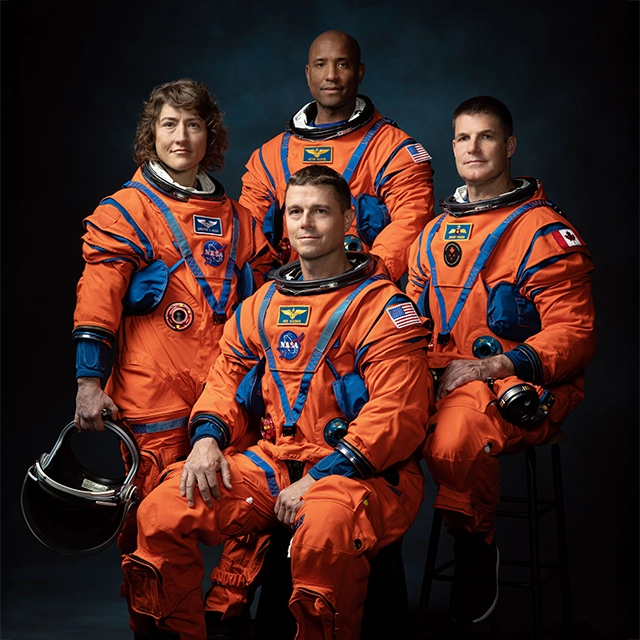
April 10, 2026 marks the long-awaited return to Earth of the astronauts from Artemis II. The mission set out to perform a lunar flyby that reached the Moon’s far side. Reid Wiseman, Christina Koch, Victor Glover, and Jeremy Hansen traveled farther than any human beings in history, a detail irresistible to sensational headlines.
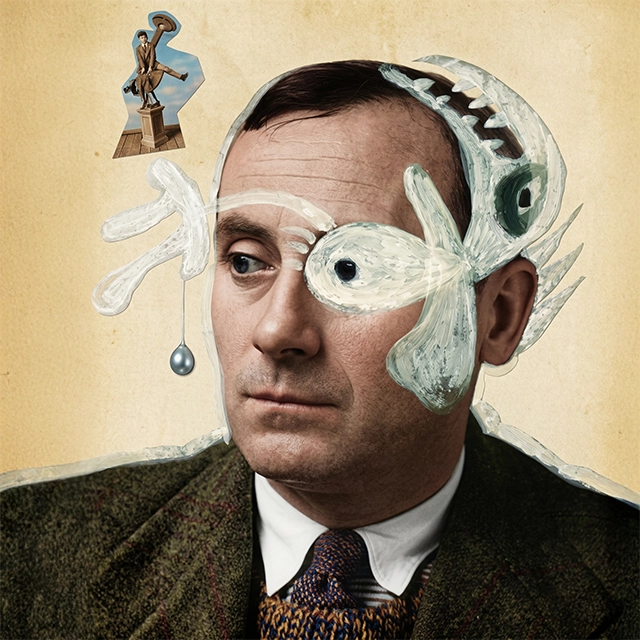
On March 25, we published a commentary on a prize awarded to a retired British schoolteacher for a photograph taken in Southeast Asia during an ordinary vacation.
The image presents the face—deeply etched by the wrinkles wrought by sun and exposure—of an elderly man with a faintly wry expression.
The winner of the 2026 London Camera Exchange (LCE) Photographer of the Year competition is a retired teacher who captured the award-winning image while on holiday in Southeast Asia. The scene was shot in Hoi An, on Vietnam’s central coast, as she photographed a fisherman at work. The author notes that the moment in question sealed the playful end of the encounter and helped her stand out among more than 14,500 participants.
I have developed a faint affection for photography competitions. I go through them with an almost childish curiosity, looking for the good photographs the jury overlooked and the bad ones it chose to reward. In the latest issue of Camera Craft, its sixty-ninth, for March and April of this year, some of the results are published from the competition that The Guild of Photographers organizes annually.
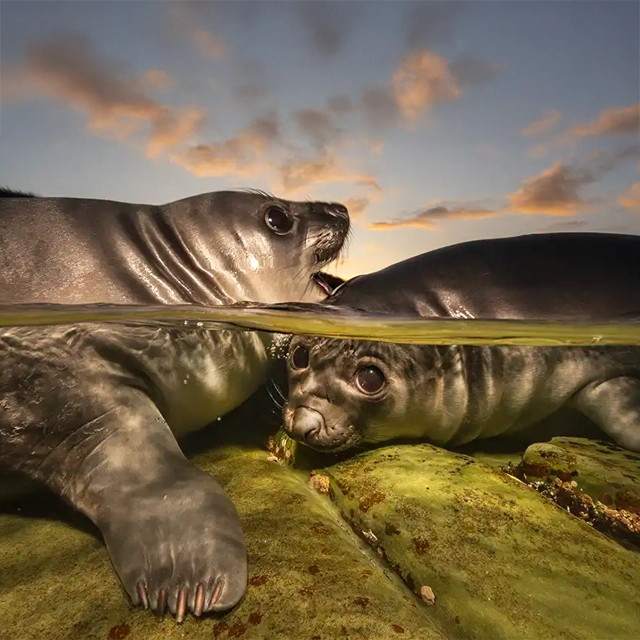
There is, in underwater life, a captivating otherness, and these images from the Underwater Photographer of the Year competition bring it forth with admirable clarity.
The first photograph captures a clownfish parent keeping vigil over the moment when the eggs it had tended so carefully begin to hatch. A scene which, according to the judges, they had never encountered before...
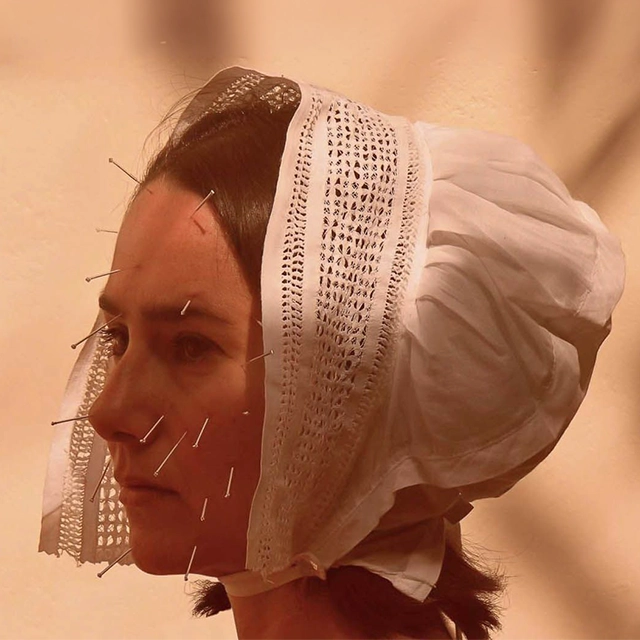
Dressed in red, barricaded behind a mask crowned with feathers as red as the dress itself, the visual artist Cirenaica Moreira (Havana, 1969) waited, seated on a stool, for the attendees of the performance—scissors in hand—to cut the hearts fastened to the dry, gilded branches she held.
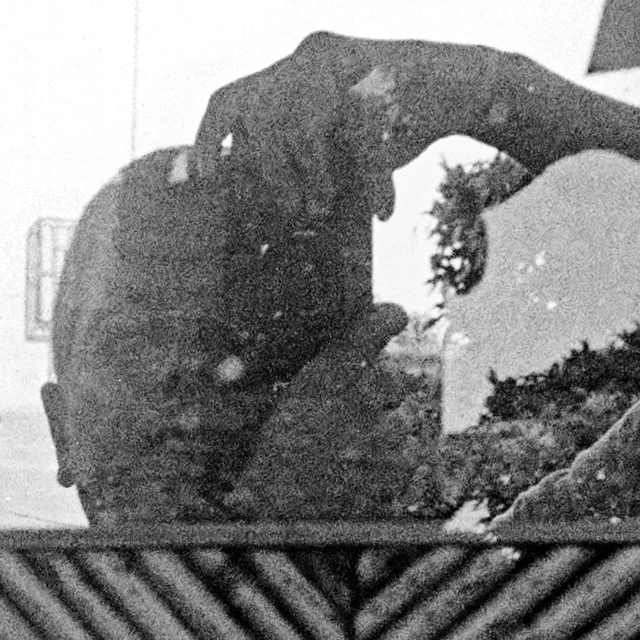
Anyone who approaches Pedro Abascal’s photography and speaks with the author about the spontaneous nature of his scenes cannot help but think: he’s taking me for a fool. So accustomed have we become to an art of effects—an art frequently structured around spectacle, one that opportunistically deploys “the technological” to shield the fragility of its premises—that it feels like a deception when he claims he neither goes out hunting for images nor resorts to manipulation of any kind to produce photographs of such suggestive force...
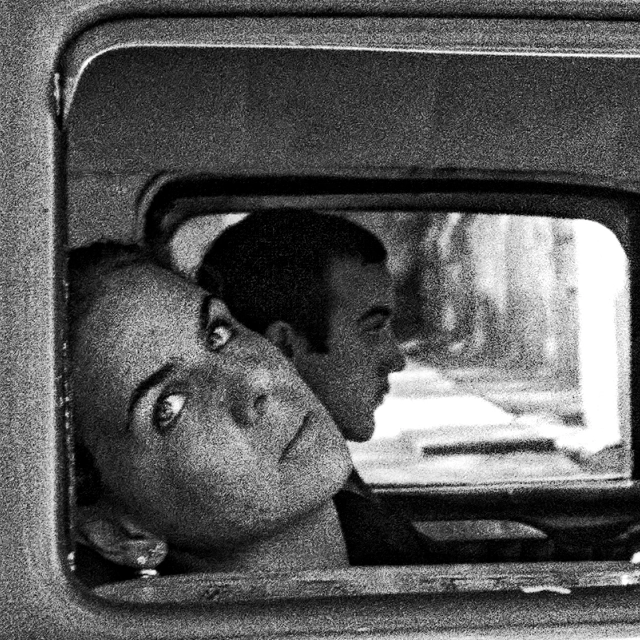
A beautiful vista of Havana Bay, framed by the large window beside the entrance, catches the first-time visitor at once. Nothing more is needed for the restless collector of unrepeatable instants: views that do not tolerate staging—views that do nothing but awaken the desire to contemplate them, to capture them, to possess them. A coffee becomes an invitation for the newcomer. We already have something in common.
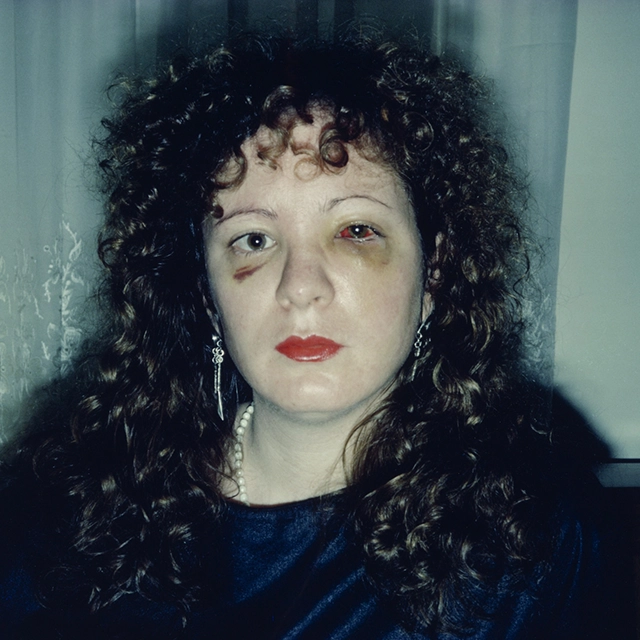
Forty years ago, the American photographer Nan Goldin published what is now widely regarded as one of the most influential photobooks in contemporary art. That is the view of Jacqui Palumbo—journalist, editor, and producer specializing in art and culture—who covered this event for CNN. Titled The Ballad of Sexual Dependency, the book documents Goldin’s life in New York City’s East Village throughout the 1970s and 1980s, with forays into Chicago, London, and Mexico City.
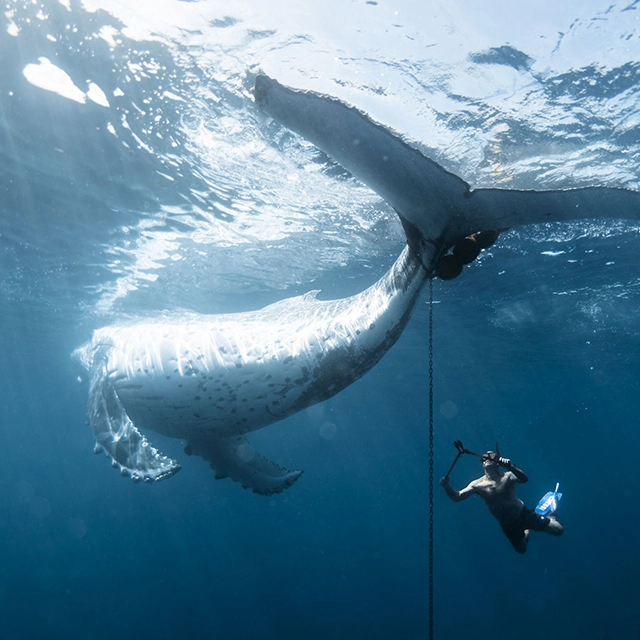
The latest issue of Australian Science Illustrated—issue 121, February—brings a great deal of interesting material. It is not a journal as serious as Science; it is, rather, a popular-science magazine. It seems aimed at a broad, family readership. Still, its articles are intelligent and very well written. It publishes features on science in general and technology, with a clear preference for content on outer space, medicine, archaeology, and nature.
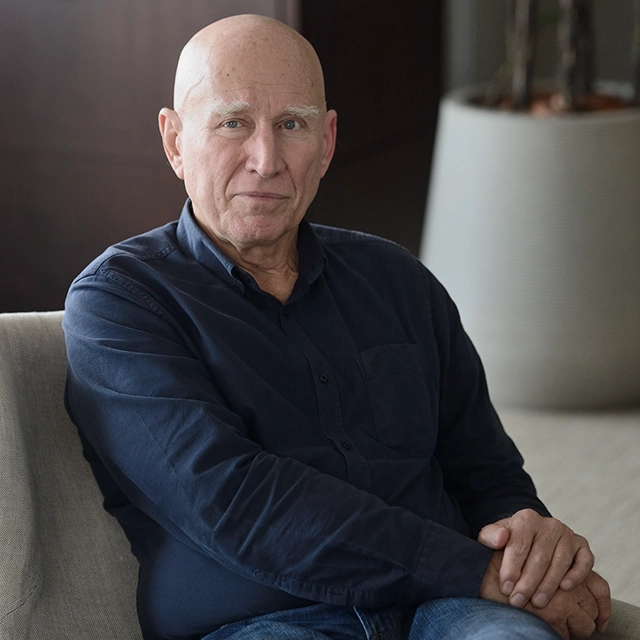
Salgado is indispensable to twentieth-century photography. His unmistakable images of vast crowds working—fighting to survive the world’s violence—remain permanently fresh in the memory of those of us who love the medium. So do his extraordinary photographs of the attempted assassination of Ronald Reagan, along with the work he produced while covering the conflicts in Rwanda and the Balkans, among many others. Broadly speaking, he documented the hard life of workers—many of them migrants—embedded in large projects across the planet.
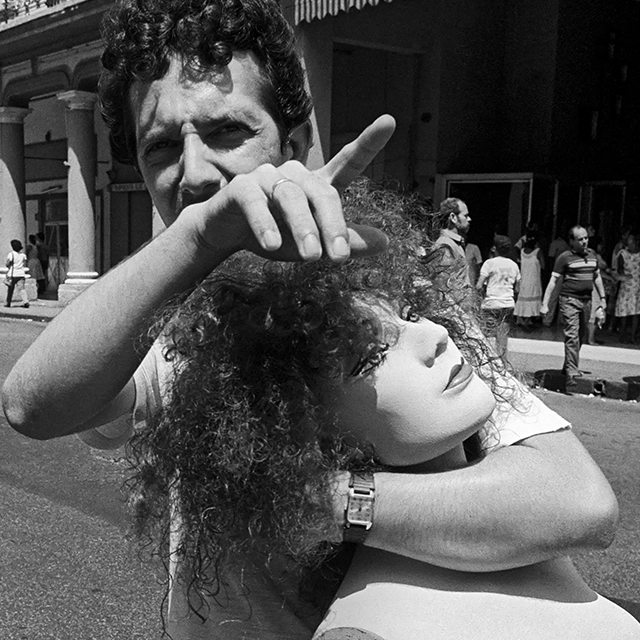
Entering its final week: Dossier Havana, photographs by Pedro Abascal.
There are cities that return the gaze: they do not yield docilely to the frame, but instead address the viewer directly. They demand a way of looking that does not reduce, that does not close off meaning. Havana, in this Dossier conceived by the Cuban photographer Pedro Abascal, appears as an entity that observes, folds, and tenses itself; it refuses to become a mere setting or backdrop.
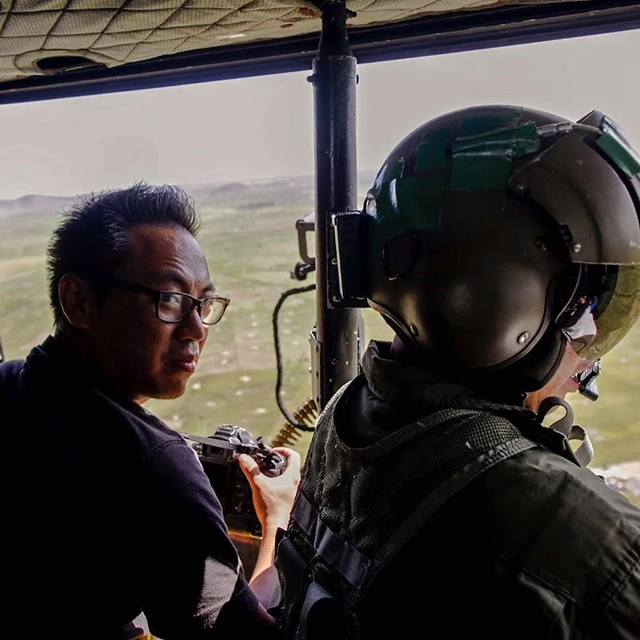
Edgar Su won the top prize at the World Sports Photography Awards 2026 with this photograph of Carlos Alcaraz in full action. Amateur Photographer, in its January 27, 2026 issue, reports the award and reproduces the image.
The photograph is titled Carlos’ Shadow Hits a Ball and was taken during an actual match. One could easily swear it was shot in a studio, so precise is it that it unsettles.
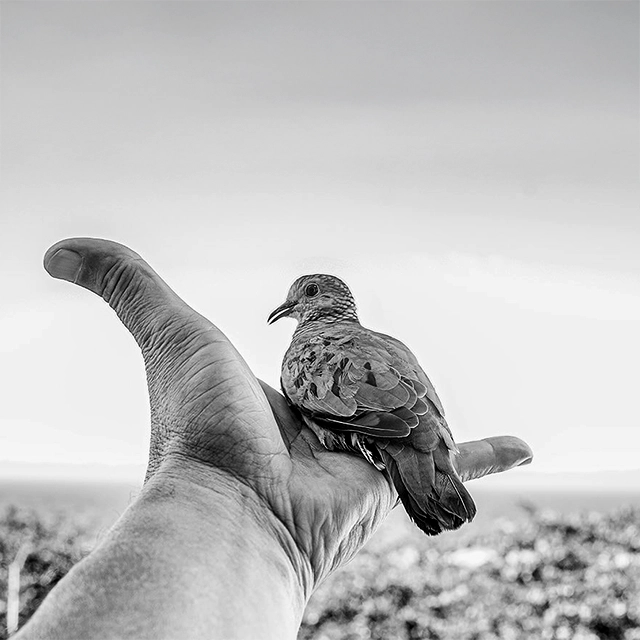
In his dialogue with reality—understood as an expansive living nature, and therefore never still before the artist’s pretensions—Pedro Abascal, who requires the road as much as the camera for his vital labor, has come to discover the possibility of drawing through the lens.When I was a child, we lived in Santa Isabel, one of my grandfather’s farms. We were surrounded by trees, animals, and ravines. At that time, I did not know how to measure distance in kilometers...
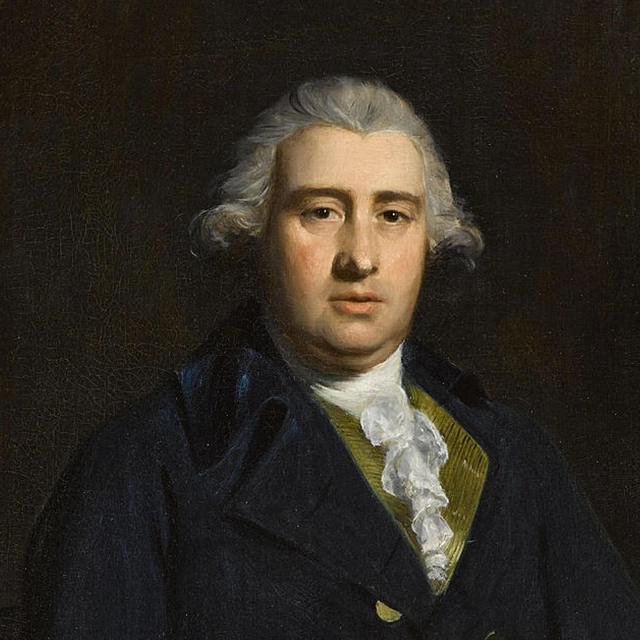
Richard Hoare presents Edge of Light | Journeys Across a Frontier at Messum’s (London). From 7 to 30 January 2026, Messum’s (David Messum Fine Art) brings together a selection of recent works by the British painter, conceived along the Atlantic edge. The gallery frames this territory as a threshold: a place where sea and horizon blur, and light seems to force its way through skies that are dense, unstable, and perpetually in flux.
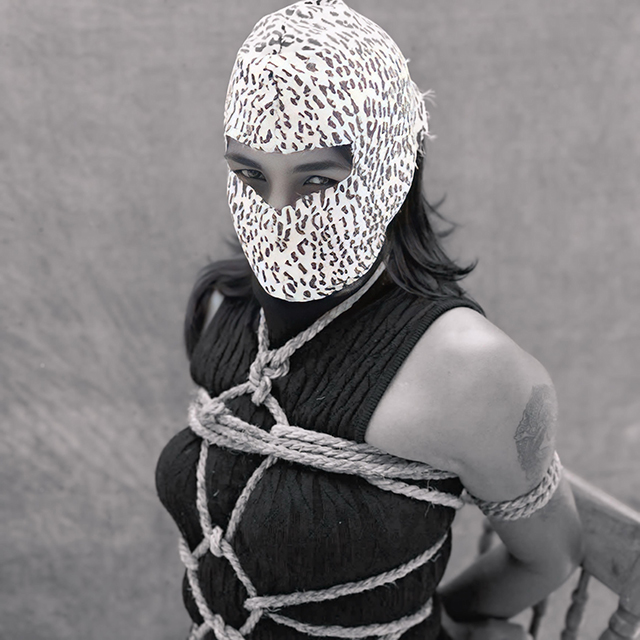
Politics as Form in the Work of Kina Matahari
Within Next to Nothing, we will present an exhibition whose name is, precisely—and paradoxically—Next to Nothing. The Annex Gallery will host a pop-up show by the Cuban multidisciplinary artist Claudia Ricardo, known in the Cuban art circuit under the pseudonym Kina Matahari. Next to Nothing explores how tensions between opposites generate new realities—paradoxical thought, an oxymoron that, from within dilemma, produces a result free of ambiguity. Here, contradiction itself becomes the discourse that underlines it.
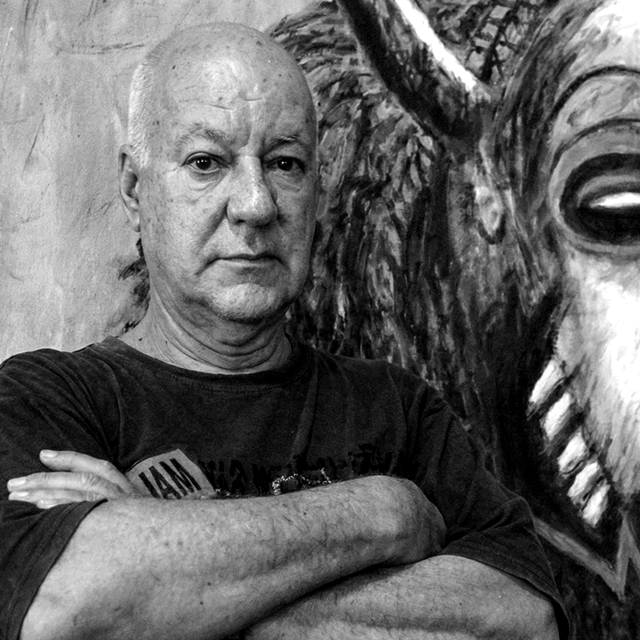
Over the past few days, we at The Annex Gallery have received the first copies of Rafael Zarza. Toda la corrida artística (The Full Artistic Bullfight). The essay was written by Hamlet Fernández Díaz, a faculty member of UNIPAM’s Graduate Program in Education. He holds a Doctor of Science in Art and a postdoctoral degree in Education, and he currently works as a professor, researcher, and art critic. His name is widely recognized across the Spanish American cultural ecosystem...
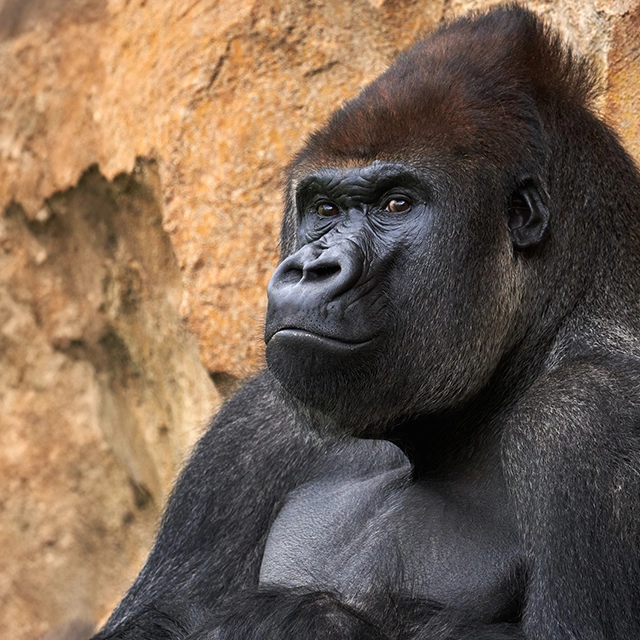
For professional reasons—and for many others—I tend to download and archive magazines devoted to specialized subjects. Among them, a very considerable number are dedicated to photography. The regular ones—that is, those almost always available—number around thirty-five. I suspect that most of them are sponsored by major manufacturers of professional and semi-professional cameras.
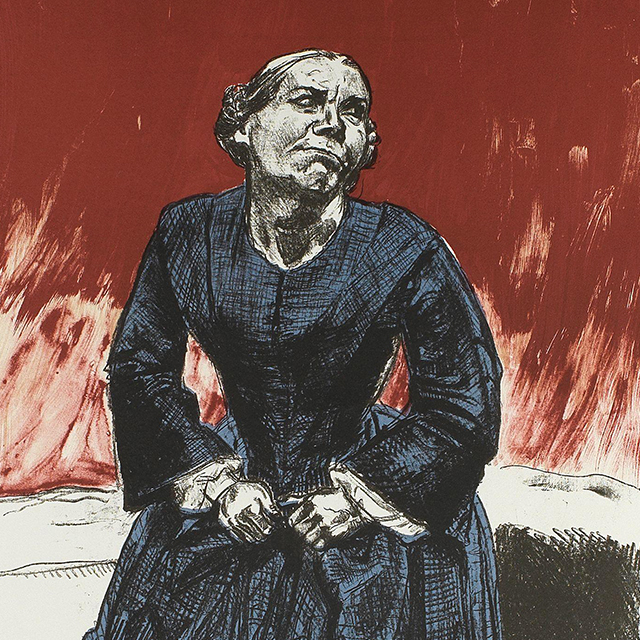
Three and a half years after her death, Paula Rego’s work continues to unfold an uneasy power, resistant to domestication. A recent exhibition at Cristea Roberts Gallery in London brings together a group of prints produced between 2005 and 2007, during the final phase of the artist’s career. Far from any pacifying reading, these works confirm that time does not soften the strangeness of her universe; on the contrary, it sharpens it, making it harder to evade.
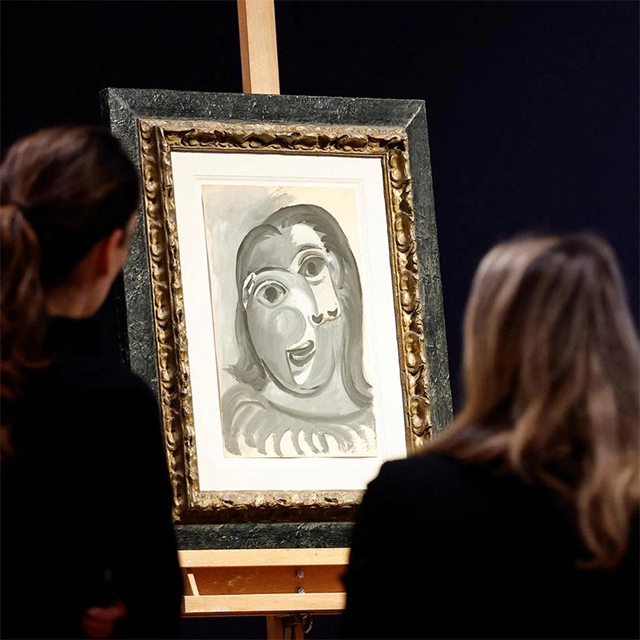
An international raffle organized by the French foundation Recherche Alzheimer is offering participants the chance to win an original Picasso valued at roughly €1 million by purchasing a €100 ticket. The drawing will take place at Christie’s in Paris on April 14, 2026, with up to 120,000 tickets available online to raise research funds.
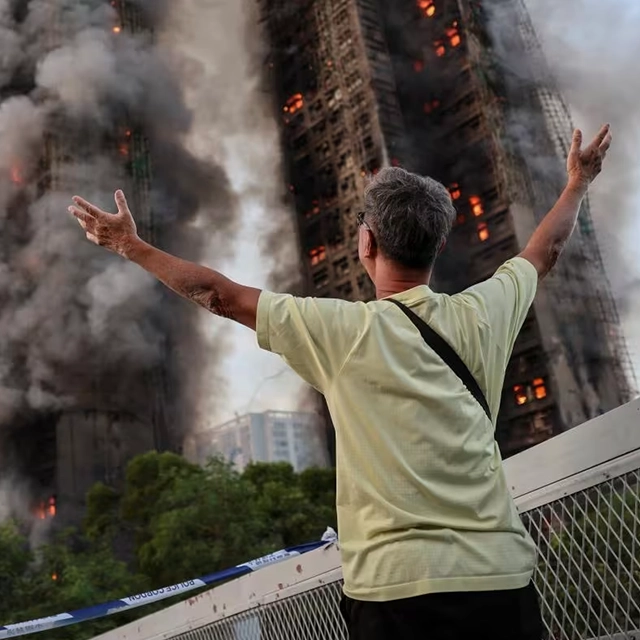
Over the past two weeks, I have seen this photograph reproduced again and again across an overwhelming number of news outlets. I cannot say it impresses me from a technical standpoint—far from it. And yet it unsettles me in a way very little manages to these days. It is likely to be chosen among the year’s most striking images. Even if it isn’t, it already belongs to my private selection.
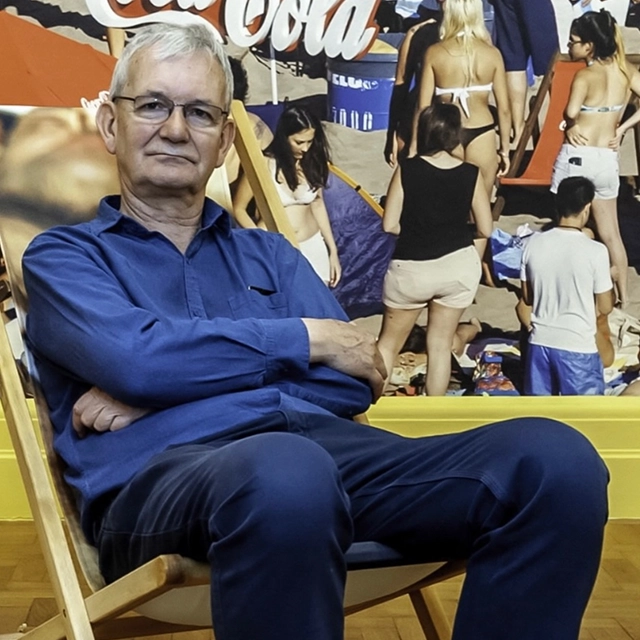
Martin Parr —that improbable alchemist of the everyday, the British photographer who redrafted the grammar of documentary practice— has died at 73 in his home in Bristol. News of his passing triggered an immediate wave of tributes. Colleagues, critics, and institutions across continents have emphasized the extent to which his work unsettled and renewed the documentary impulse from the 1980s onward.
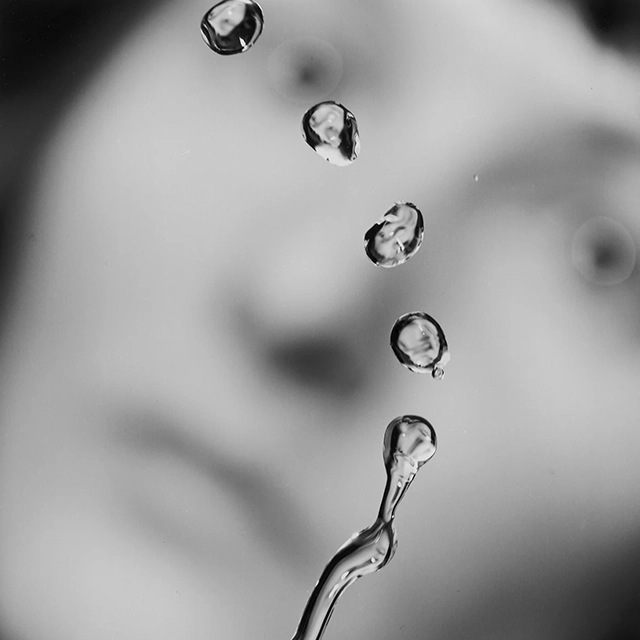
Picking up the thread of the previous text, the RPS has bestowed its Centenary Medal on British photographer Susan Derges (London, 1955), in recognition of her sustained contribution to the medium. Derges is known for her camera-less work and for direct experiments with light, water and vegetation. Since the late 1980s she has developed series in which she submerges photosensitive paper in rivers such as the Taw, near her home in Devon...
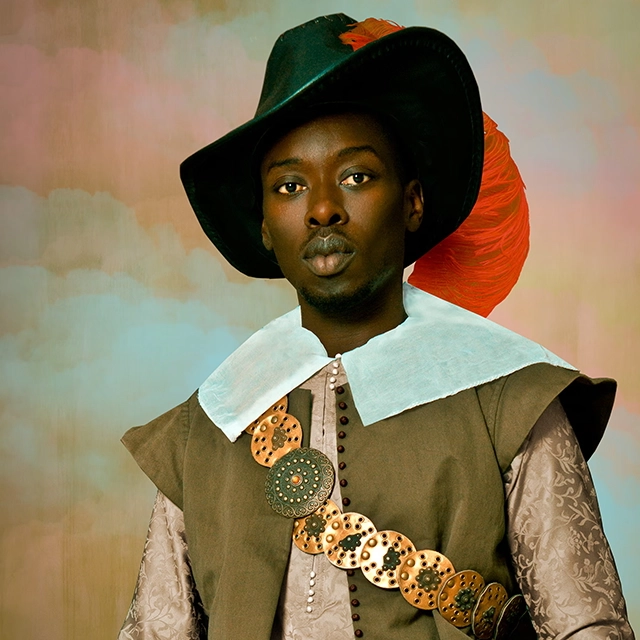
Staged Self-Portraits, Erased Histories and the Recasting of the American Dream
Senegalese photographer Omar Victor Diop has received the Royal Photographic Society (RPS) Award for Achievement in the Art of Photography. It is a distinction granted each year to an artist in recognition of a notable personal achievement in the art of photography or moving image. It is not a lifetime award, but a prize for a group of works or for a particularly significant result. Diop combines staged portraiture, historical references and questions of identity and representation.

The first solo exhibition of young photographer Mark Duc Nguyen
I met Mark at Annex Gallery, where he is working as an intern. Before I knew he made photographs, and therefore counted as an artist, I thought of him simply as someone who always needed a drink bottle within reach. One of those insulated flasks used by athletes or hydration fanatics that seemed to follow him more faithfully than his own shadow. I also knew, before seeing a single picture, that he supported Barça, a very popular club in this ecosystem and reason enough to label him an “irreconcilable enemy.”
Matt Hart presents Nyla Davies and Anselm Berrigan
The Art Academy of Cincinnati and Annex Gallery have maintained a close relationship over the years. In 2017, the Academy hosted the first international exhibition of the Bridge Not Walls project, and since then, collaborations, visits, and mutual support have become a steady tradition. Annex has followed the Academy’s programs with interest, and new joint projects are already in discussion.