1310 PENDLETON STREET CINCINNATI, OH
| (513) 407-7077 | WED - SAT 11:30 AM - 4:00 PM

THE
ANNEX
NEWS

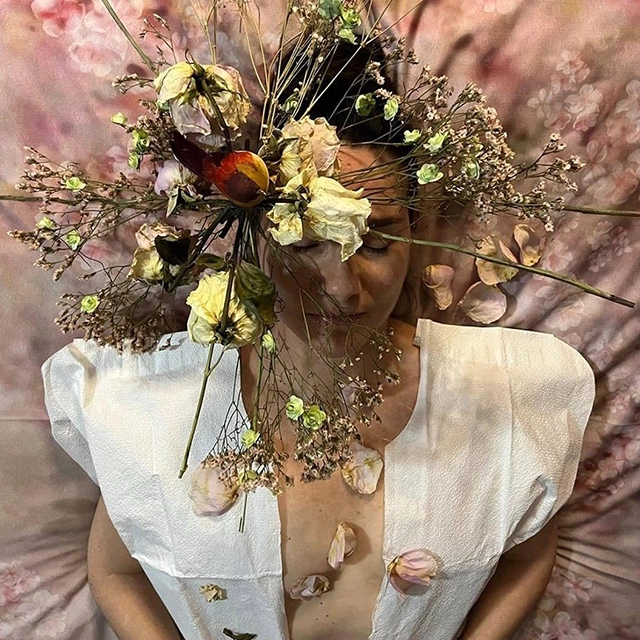
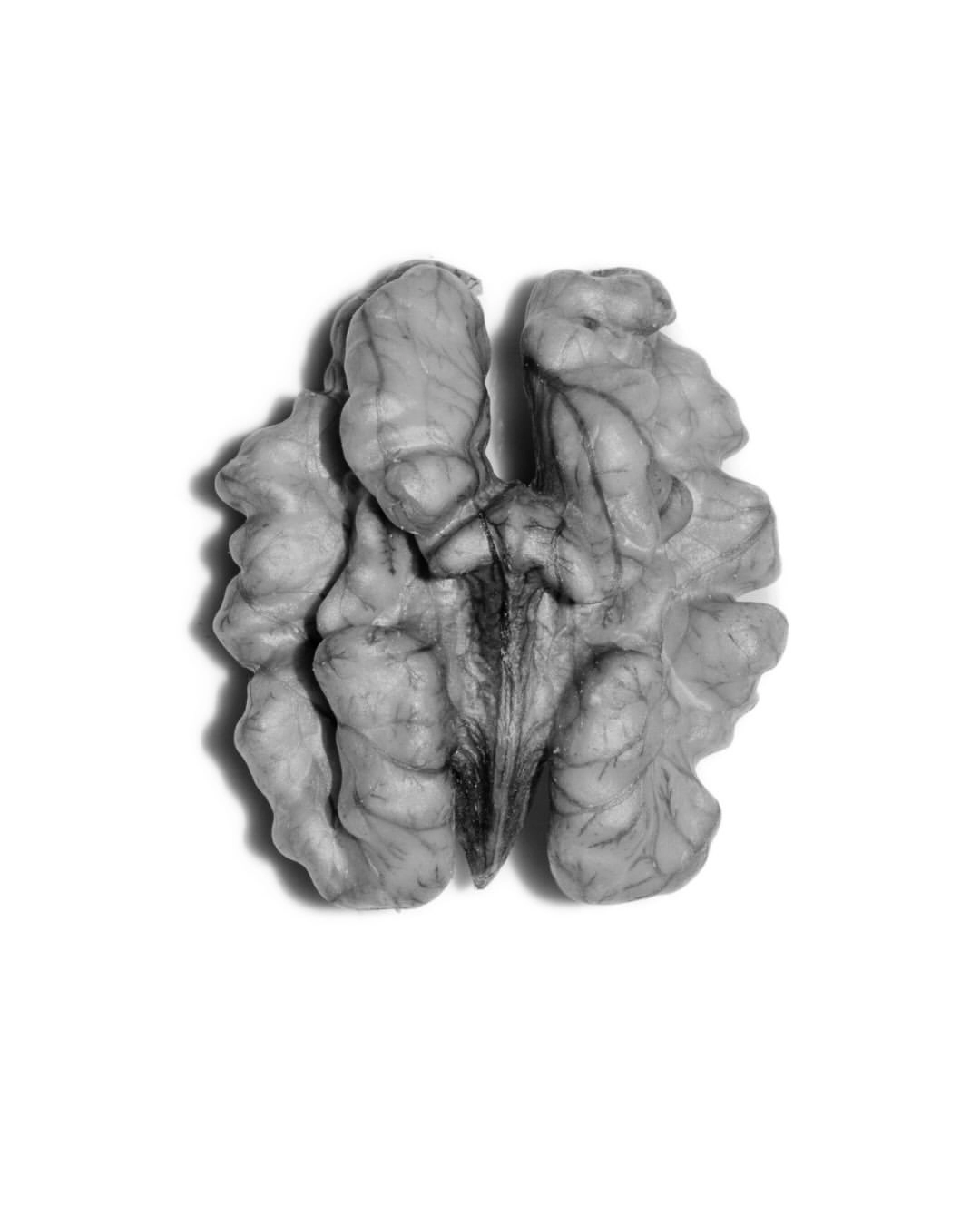
Ozymandias, Les Rencontres d’Arles. © Aman Alam, 2026.
The Serendipity x Arles Grant has a history of barely six years. It was established in 2020 by the Serendipity Arts Foundation and Les Rencontres d’Arles, with the support of the Institut français en Inde, to foster South Asian artists working with photography, video, artificial intelligence, and other image-based media. The stakes are considerable. The winner receives €15,000 toward fees, research, development, and production, together with the opportunity to present a solo exhibition in Arles.
To date, three artists have received it. Sathish Kumar won with a project titled Town Boy, exhibited in Arles in 2022. Paribartana Mohanty presented A Fate’s Brief Memoir in 2024, a project devoted to the migrations caused by climate disasters in Odisha. The third, and most recent, was Aman Alam. Its genealogy of celebrated names remains brief. The grant seems designed instead to identify artists before they are absorbed into the European circuit.

Ozymandias, Les Rencontres d’Arles. © Aman Alam, 2026.
The photograph opening this article is by Aman Alam. The Financial Times reported on July 25 that his grandmother Naseem began showing the first symptoms of Alzheimer’s while he was still at university. His mother returned to Agra to care for her. Alam would later assume responsibility for looking after her. Nobody is born prepared for the duty of caring for someone whose faculties are rapidly disappearing. Alam grasped the elemental truth of the matter. He had to be there, with her.
He was compelled by their direct kinship and by the obligation we owe to those who helped us grow. He was also compelled by the memory of a lucid woman. She had directed a university institution and taught history. It is easy to assume that her abilities rested upon the capacity to remember and to revive what she remembered in beautiful words. The thought is painful now. Aman remembers her as exuberant, almost fierce, during the summers he spent with her.
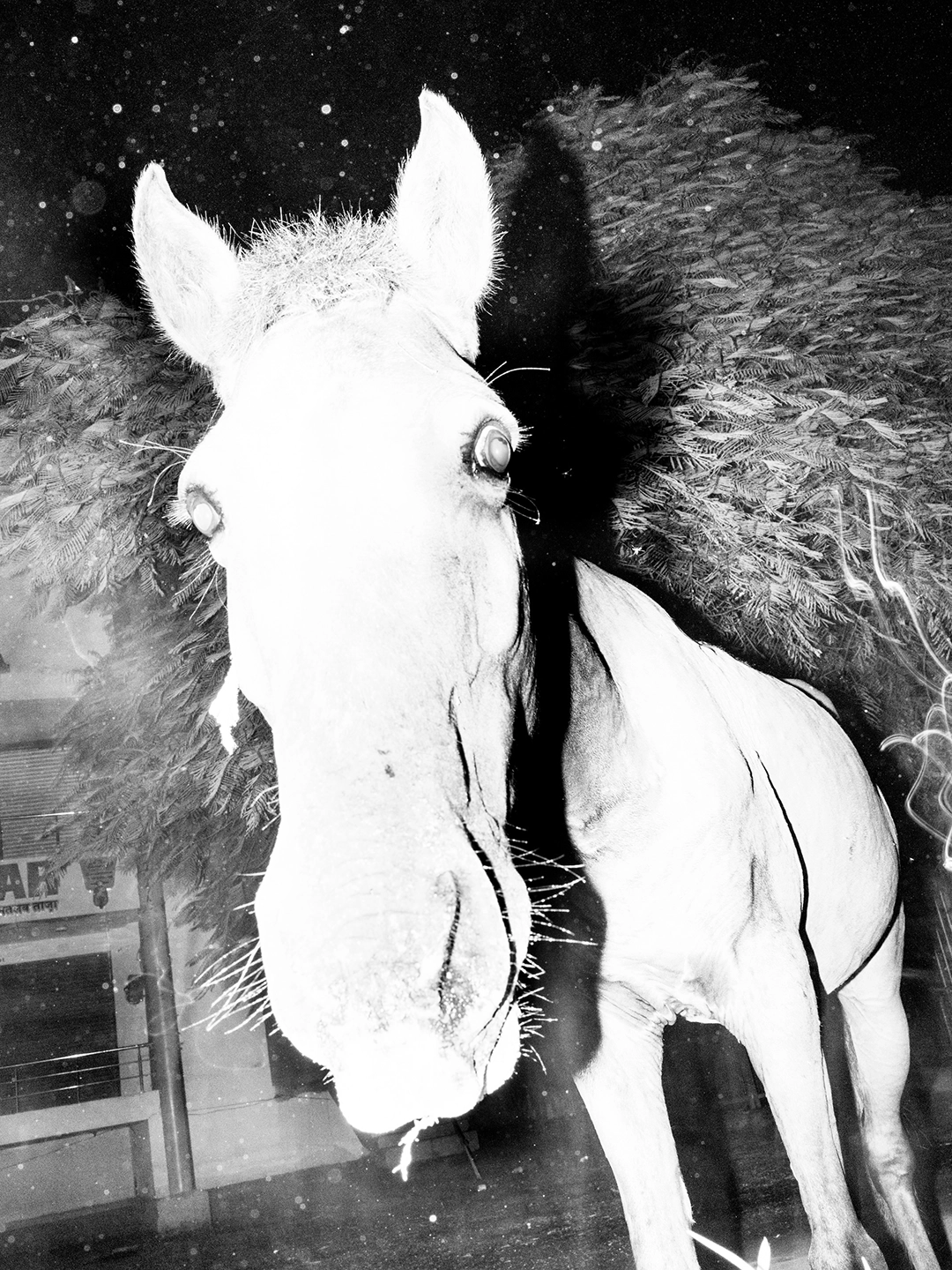
Ozymandias, Les Rencontres d’Arles. © Aman Alam, 2026.
Back on earth, building a grant application around photographs of a grandmother’s progressive decline makes perfect strategic sense. A dart aimed straight at the jury’s tender heart. All it requires is finding beauty in such deterioration, an autumnal destiny, and the imperceptible fabric that draws us toward the immovable world.
Alam began photographing her shortly after the diagnosis. Instinctively, he chose the surest course. To photograph her before every door of her consciousness had closed. The resulting record became the basis of his project Ozymandias—after Shelley’s poem. His anchor to the waking world. A less devastating way of accepting her illness. He realised that the camera offered the safest and most enduring connection to everything Naseem was leaving behind.
Until then, much of Alam’s work had examined the systems of power that shape the world. Industrial, ecological, existential. He came to regard the mind as another system, one that generates seductive and thoroughly unreliable narratives, susceptible to whatever we ask of it with sufficient insistence. What is truth, beyond what we believe it ought to be?
Ozymandias, Les Rencontres d’Arles. © Aman Alam, 2026.
Yet for this reflection, as old as the stones themselves, to merit a grant and an exhibition in Arles, it requires something beyond articulation through a dazzling and portentous statement. Alam conceived The Truth Engine, a conceptual installation he presents as an “architecture of memory systems.” To set it in motion, he fed a large language model with family archives, weather reports, environmental data, and any other element capable of intervening in the formation of a memory. From this body of material, the model produced narratives and estimated possible emotional states.
Having entrusted fiction to artificial intelligence, Alam declined to test its results against reality. He accepted the so-called “hallucinations” of generative models, errors that ordinary applications attempt to suppress because they produce false information and can prove harmful. Rather than subjecting the system to further adjustments and restrictions until it adhered to verifiable data, he allowed those deviations to run their course and let them stand. The model then reorganised associations and filled the gaps with plausible memories of events that may never have occurred.
Technology lends structural and discursive complexity to an elemental intuition. Memory returns the past altered. It recomposes it from the present, fills its gaps, and adds as memory whatever it can no longer retrieve.

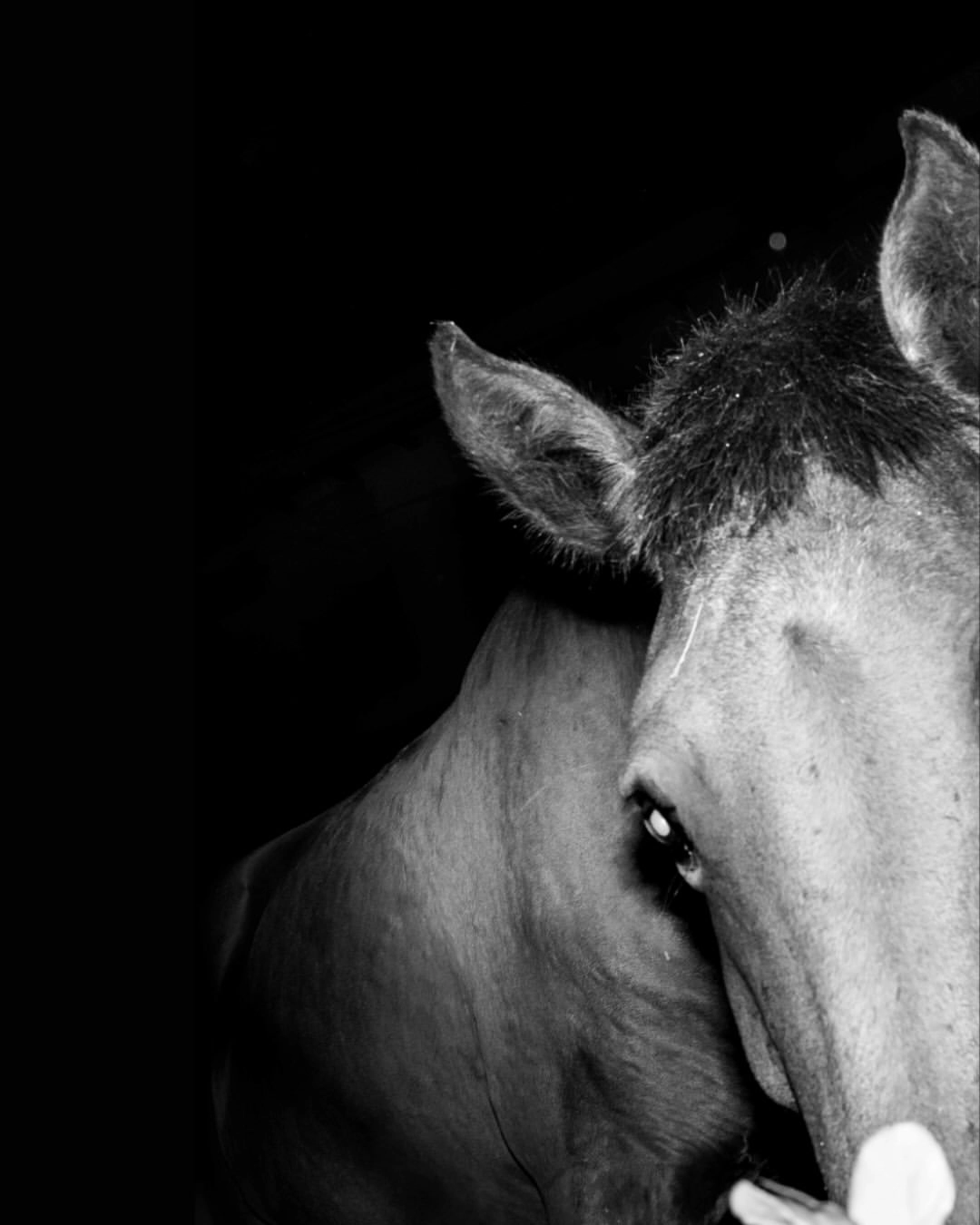
Ozymandias, Les Rencontres d’Arles. © Aman Alam, 2026.
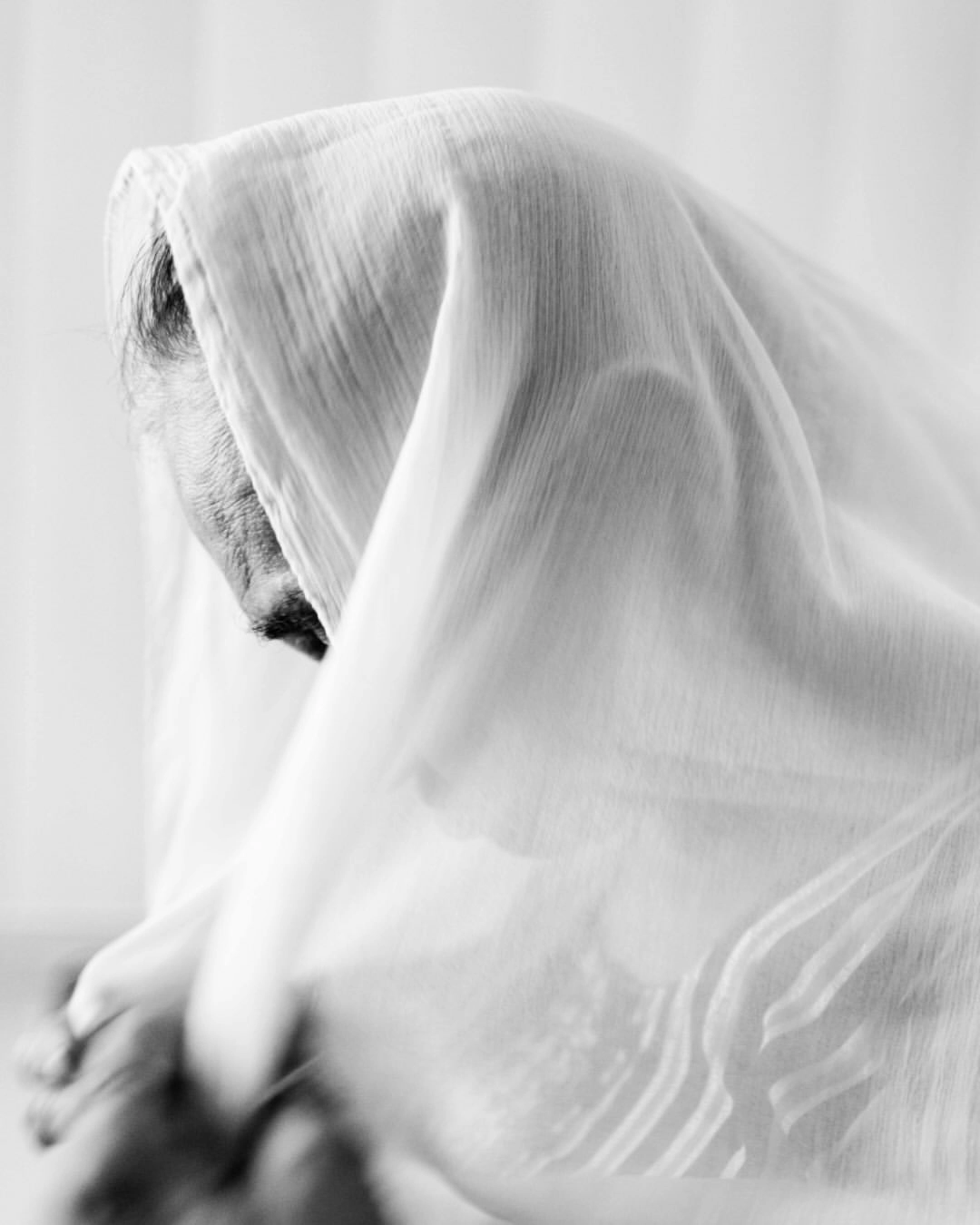
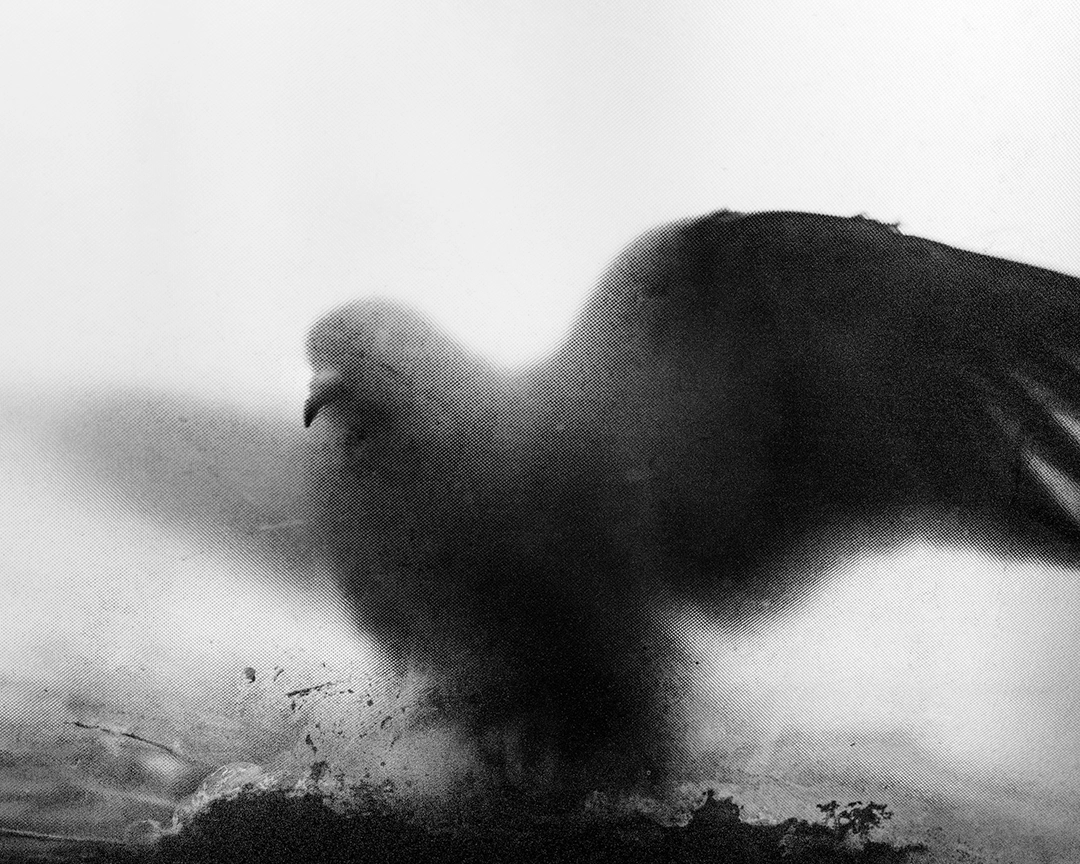
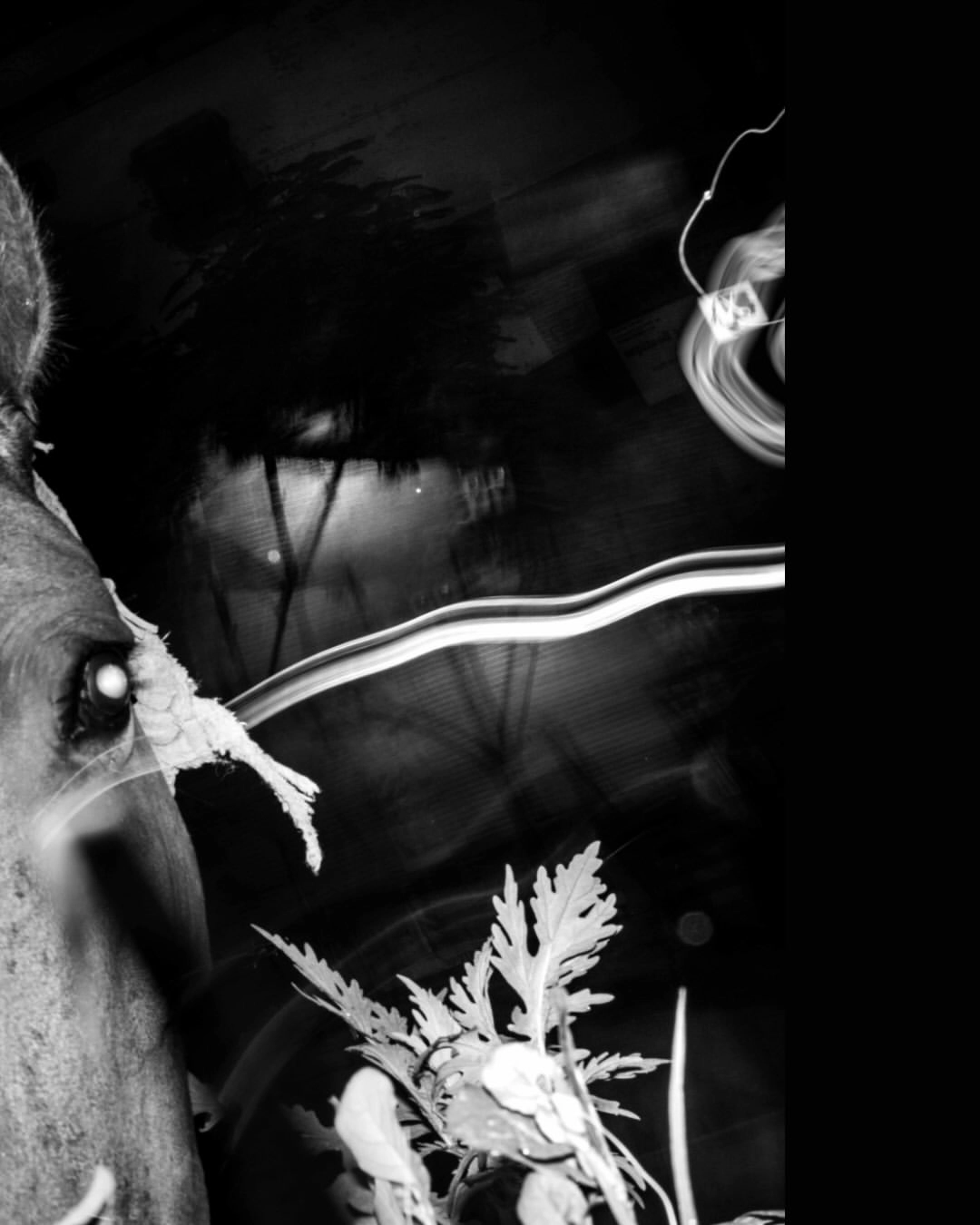
What is real, and what is not? If we look closely, and if we do not look at all, we see something in photography particularly suited to representing cognitive disintegration. Perhaps it is the illusion of reality it presents. The mechanical record reproduces surfaces with clarity and precision while remaining especially vulnerable to subversion. Solids can appear liquid, like Naseem’s hand and shawl. Liquids can appear solid, like the water running from the tap. The boundaries of a photograph constrain and omit in equal measure. Everything admits divergent interpretations, shaped by our subjectivities and by the sedimented convictions through which we sustain an idea of who we are, how much we know, and what memory can no longer restore to us.
For these near-philosophical speculations transformed into light and shadow, Aman Alam received the 2025 Serendipity x Arles Grant. These particular chiaroscuros—because I suspect they would reveal themselves just as readily in any other exhibition, except perhaps one devoted to pretty landscapes—can be seen across the various venues of Les Rencontres de la Photographie in Arles, France, through October 4.
By the way, I find the project profoundly beautiful.




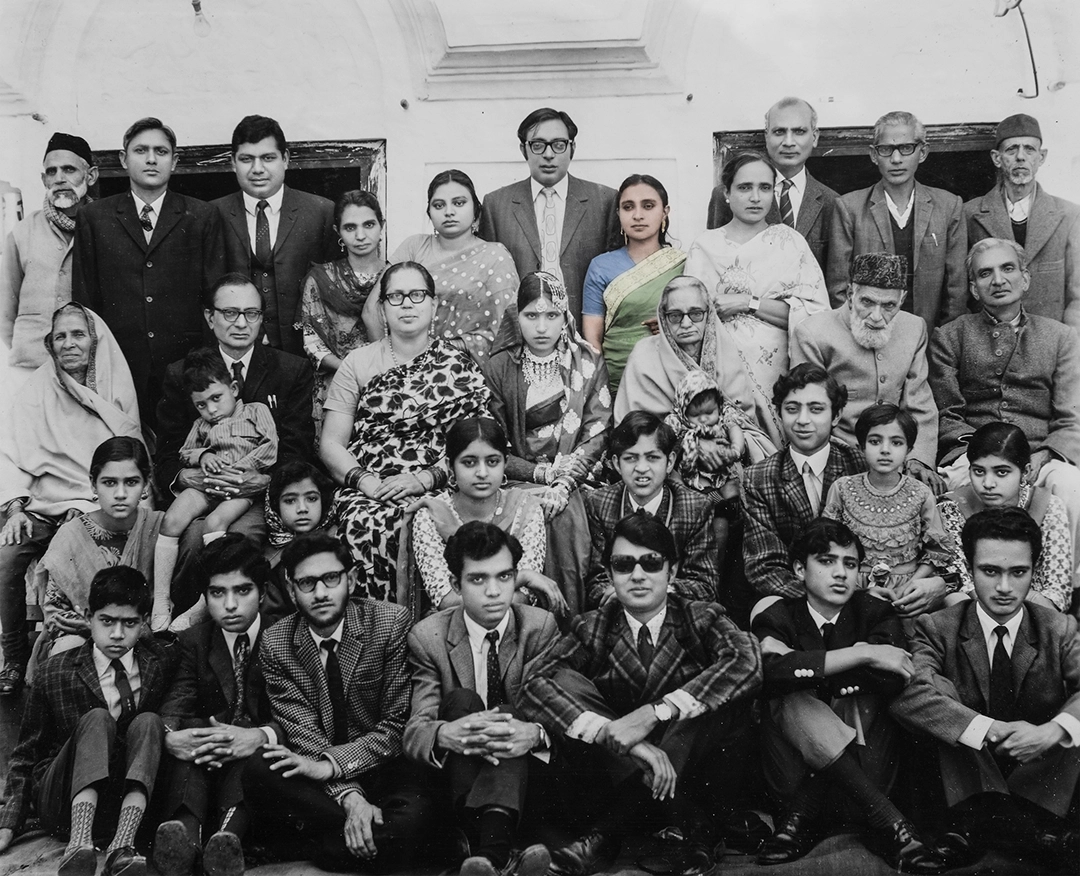




I have sometimes thought about what, for once, I might call “the oneiric substance,” if only to steer the question into less sinister territory: do dreams arise from experiences not fully processed, or are they autonomous energetic structures, detached from various material or temporal sources, that pass through the mind in search of the lost warmth of emotions? The question has its beauty.
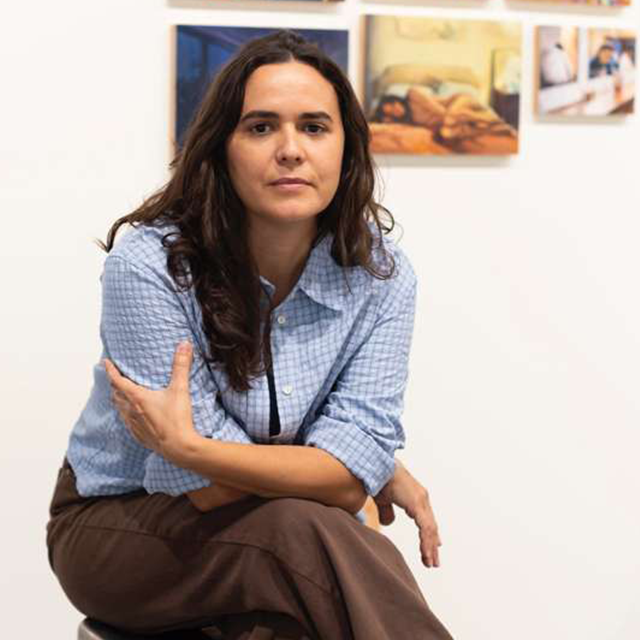
Evelyn Sosa and Leticia Sánchez Honored for Their Artistic Contributions

.svg)