1310 PENDLETON STREET CINCINNATI, OH
| (513) 407-7077 | WED - SAT 11:30 AM - 4:00 PM

THE
ANNEX
NEWS

Photography & Building Community

Free virtual program hosted on Zoom; registration required!
In 2020, as the pandemic emptied halls and routines, the Clifton Cultural Arts Center oriented its program around the idea of the “third place”: informal realms beyond home and work—cafés, libraries, cultural centers, parks—where bonds are woven, civic conversation unfolds, and a sense of belonging takes root. First articulated by sociologist Ray Oldenburg in The Great Good Place (1989), these “third places” function as anchors of communal life: accessible, welcoming, non-hierarchical, and conducive to spontaneous encounter. Oldenburg (1932–2022) argued that they fortify democracy and counter isolation; his work has been revisited by Karen Christensen, who updates the concept amid contemporary loneliness and polarization.
In Cincinnati, CCAC’s curatorial choice resonated with FotoFocus’s 2020 pivot—redirecting its Biennial budget into an emergency fund for more than one hundred venues—and with public programs such as Sunset Salons, reaffirming art’s role as a social catalyst when the public sphere was constrained. Thus, exhibitions and talks on the “third place” did more than present artworks: they offered a framework to reimagine cultural conviviality—against confinement, hospitality; against fragmentation, conversation; against the void, community.
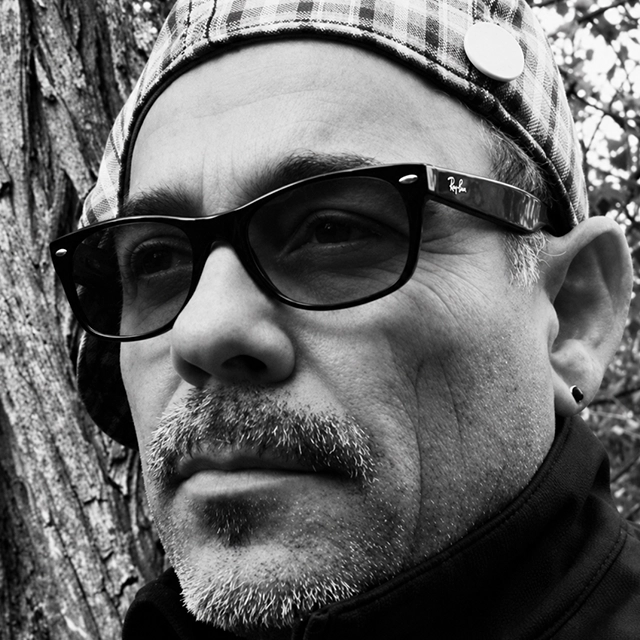
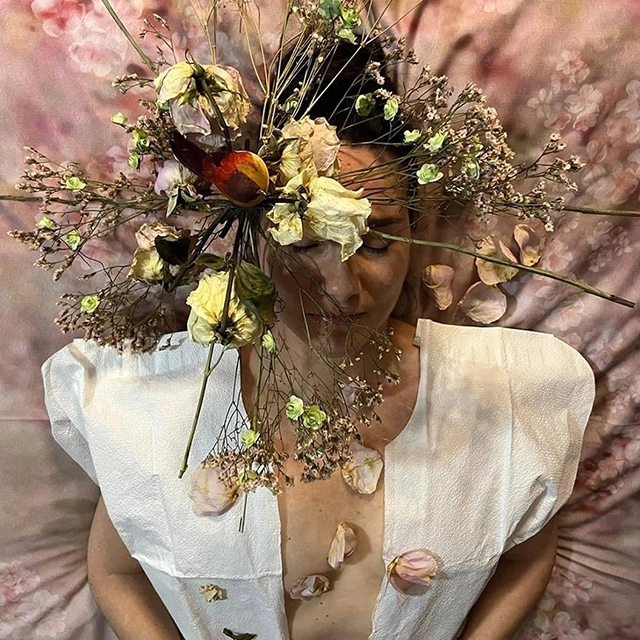
Featured Panelists Include: Photographers Alexandra Buxbaum, Emily Hanako Momohara, and Jens G. Rosenkrantz Jr.
Panel facilitated by Carissa Barnard, Deputy Director of Exhibitions and Programming for FotoFocus.
For more information on featured panelists and to RSVP, visit https://cliftonculturalarts.org/…/sunset-salons…/
Time
Wednesday, September 30, 2020 at 6 PM – 7 PM
Location
The Annex Gallery
1310 Pendleton Street
Cincinnati, Ohio 45205

Steelcase / Design
Q + A with Ray Oldenburg
The idea of a public, social place outside of home and work has been around for centuries, but it didn’t enter the lexicon as a “third place” until the phenomenon was thoroughly explored by sociologist Ray Oldenburg in his 1989 book, “The Great Good Place.”




I have sometimes thought about what, for once, I might call “the oneiric substance,” if only to steer the question into less sinister territory: do dreams arise from experiences not fully processed, or are they autonomous energetic structures, detached from various material or temporal sources, that pass through the mind in search of the lost warmth of emotions? The question has its beauty.
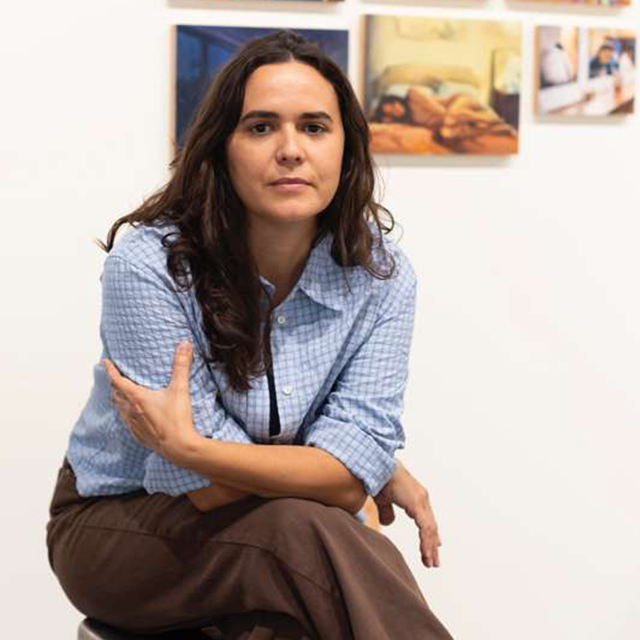
Evelyn Sosa and Leticia Sánchez Honored for Their Artistic Contributions