1310 PENDLETON STREET CINCINNATI, OH
| (513) 407-7077 | WED - SAT 11:30 AM - 4:00 PM

THE
ANNEX
NEWS

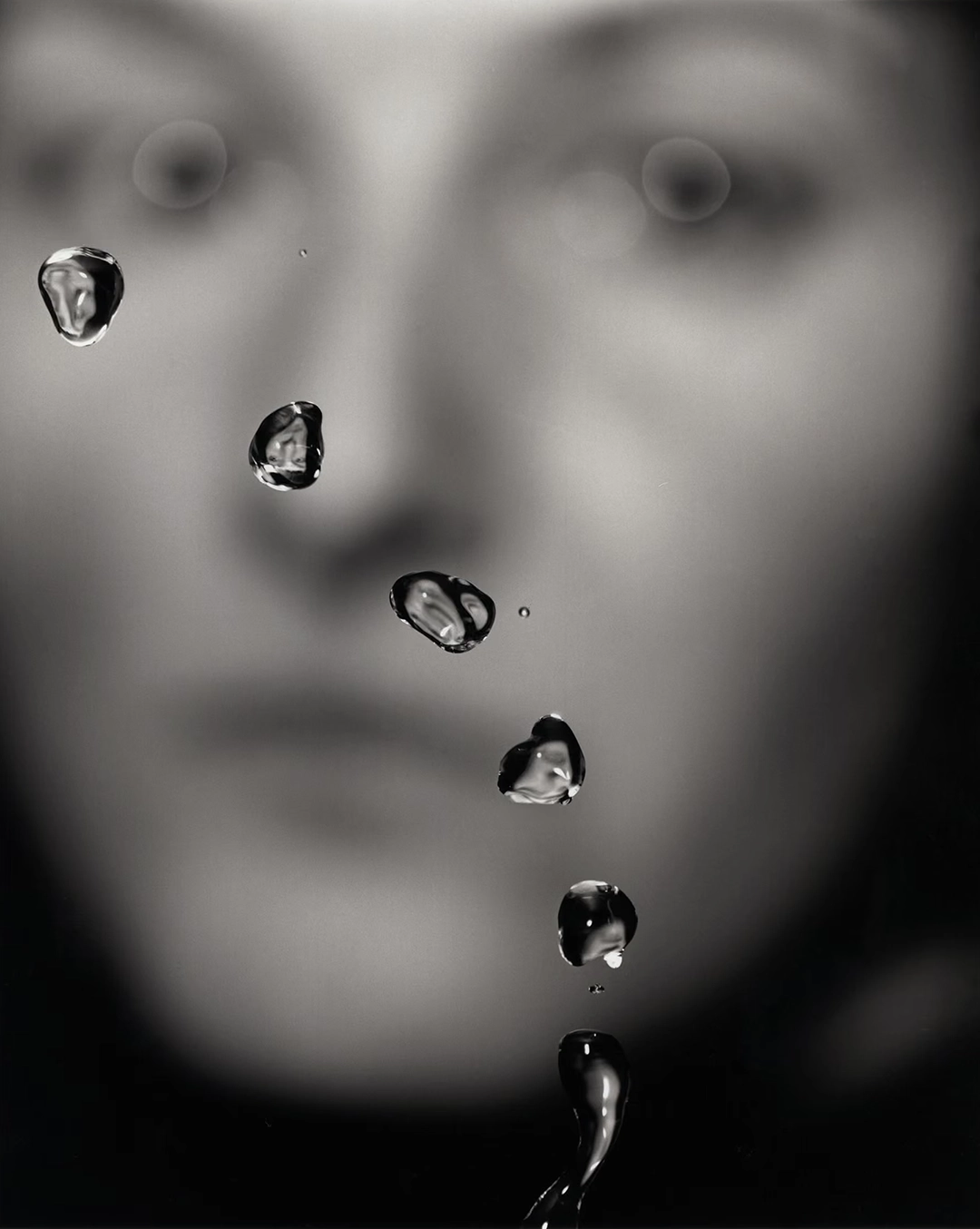
Photographic artist Susan Derges received, in addition to the RPS Centenary Medal, the Society’s Honorary Fellowship. The Observer and the Observed No. 6 (1991) is emblematic of a practice that explores the relationship between body and nature: her face is distorted by a vibrating jet of water and strobe light.
Picking up the thread of the previous text, the RPS has bestowed its Centenary Medal on British photographer Susan Derges (London, 1955), in recognition of her sustained contribution to the medium. Derges is known for her camera-less work and for direct experiments with light, water and vegetation. Since the late 1980s she has developed series in which she submerges photosensitive paper in rivers such as the Taw, near her home in Devon, allowing the movement of the water and bursts of light to inscribe patterns and silhouettes of branches and plants, generating images that hover between photography, printmaking and painting. Her work is held in collections such as the Metropolitan Museum of Art, the Art Institute of Chicago and the Victoria & Albert Museum. The medal also acknowledges the experimental thrust of her practice and its influence on contemporary debates about the photographic.
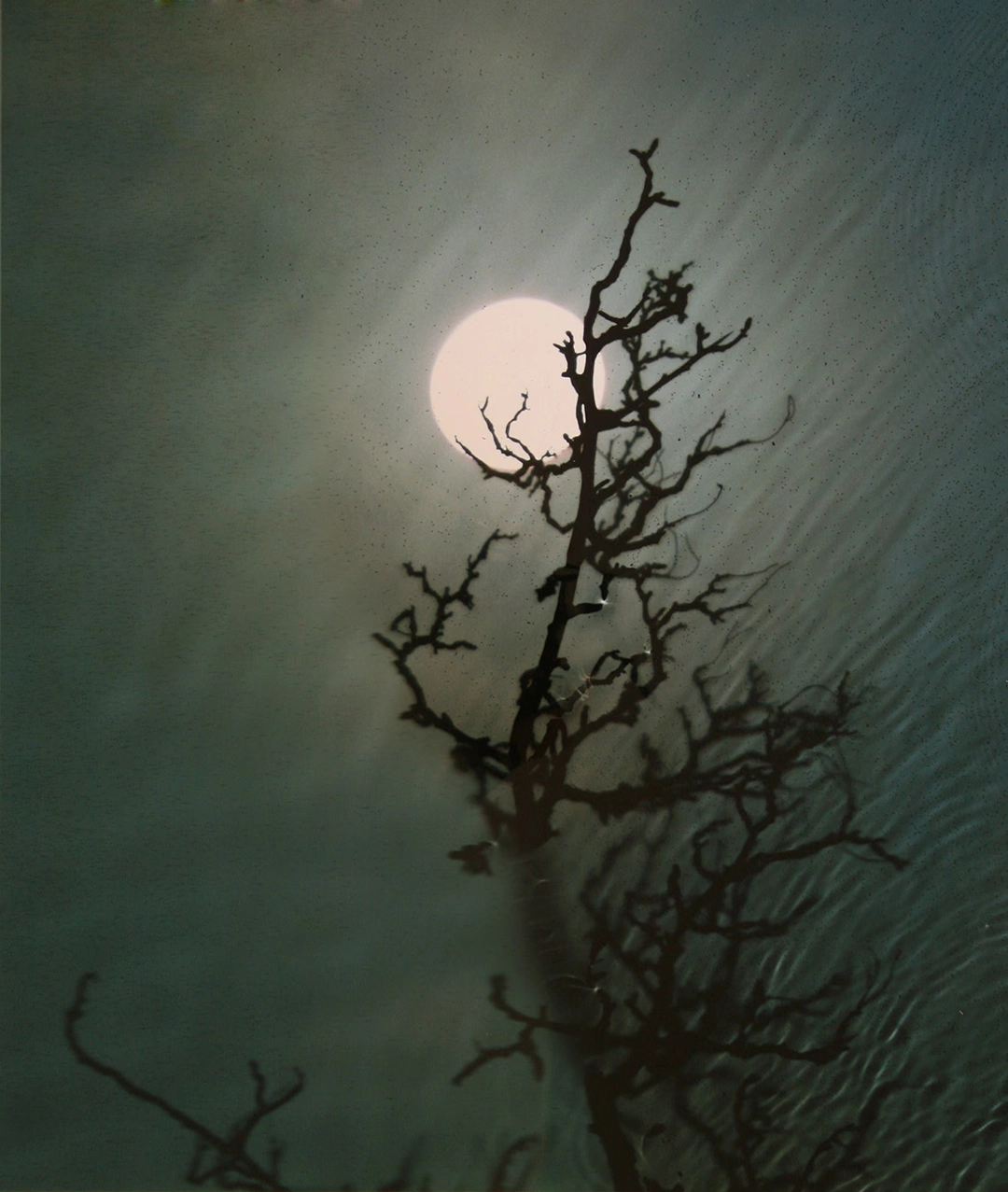
Devon based photographer Derges’s outstanding contribution to photographic art, often using camera-less landscape-based processes, is exemplified by works such as Full Moon Hawthorn 2003
Photograph: Susan Derges/Courtesy the Royal Photographic Society
Derges first trained as a painter at Chelsea School of Art and the Slade School of Fine Art, later broadening her teaching and artistic experience in Japan, the United States and the United Kingdom. That passage across cultures and disciplines consolidated a practice attentive both to tradition and to material experiment, in which photography is understood less as documentary record than as a physical and performative process. Since settling in the south-west of England, the landscape—above all waterways and tides—has become her principal field of work, an open-air laboratory where the image arises from the direct contact between the elements and the photosensitive surface.
At the core of her work lies a desire to make visible what usually remains concealed: sound vibrations, nocturnal cycles, organic metamorphoses, the most minimal traces of movement. Series such as Full Moon, Tide Pools and The Observer and the Observed weave together scientific references with a strong ecological awareness, proposing a way of looking in which subject and environment constantly modify one another. Exhibitions in galleries and museums across Europe, the United States and Japan have established her as a central figure in contemporary British photography, whose trajectory has helped expand both the technical vocabulary and the conceptual horizon of the photographic.




I have sometimes thought about what, for once, I might call “the oneiric substance,” if only to steer the question into less sinister territory: do dreams arise from experiences not fully processed, or are they autonomous energetic structures, detached from various material or temporal sources, that pass through the mind in search of the lost warmth of emotions? The question has its beauty.
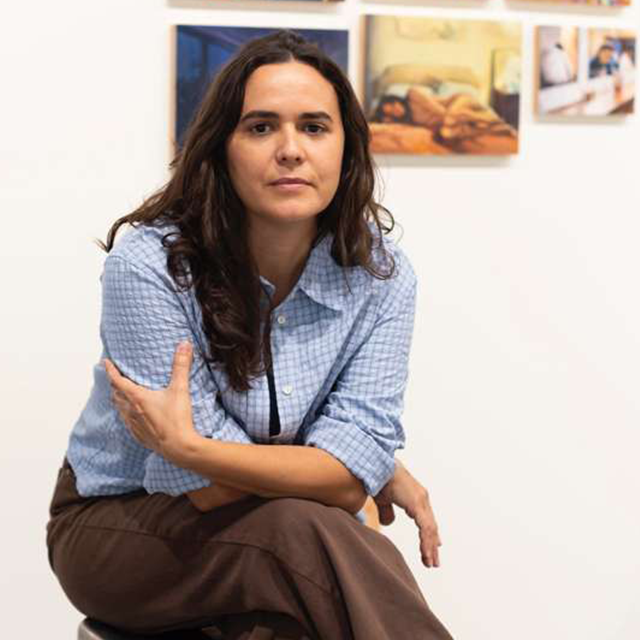
Evelyn Sosa and Leticia Sánchez Honored for Their Artistic Contributions
.svg)