1310 PENDLETON STREET CINCINNATI, OH
| (513) 407-7077 | WED - SAT 11:30 AM - 4:00 PM

THE
ANNEX
NEWS

Staged Self-Portraits, Erased Histories and the Recasting of the American Dream
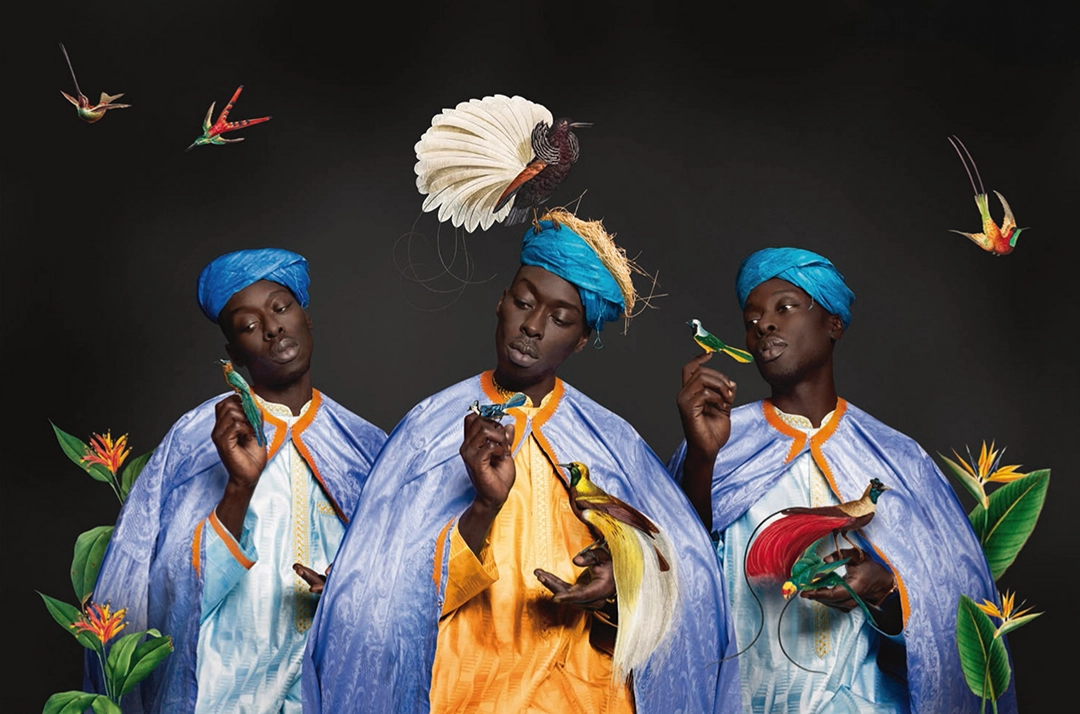
Self-portrait, digital collage from the project titled ALLEGORIA by artist Omar Victor Diop.The bird of paradise in its own paradise.
Senegalese photographer Omar Victor Diop has received the Royal Photographic Society (RPS) Award for Achievement in the Art of Photography. It is a distinction granted each year to an artist in recognition of a notable personal achievement in the art of photography or moving image. It is not a lifetime award, but a prize for a group of works or for a particularly significant result. Diop combines staged portraiture, historical references and questions of identity and representation. Institutions such as the Fondation Louis Vuitton and the Brooklyn Museum have exhibited his work in the past. After starting out in landscape and fashion, he has moved towards a line of work more closely linked to self-portraiture and art in a broader sense. His project Being There, created in collaboration with Lee Shulman, was named Book of the Year at the AP Awards. The series digitally inserts the artist himself —dressed in period clothing— into old domestic images of white American families taken during the years of segregation. The originals come from the archive of The Anonymous Project, centred on slides of the white middle class. His sudden presence in scenes of family meals, holidays and celebrations quietly subverts that imaginary by introducing a Black body where it was never allowed to be, forcing us to reconsider who appeared —and who was left out— of the visual representation of what came to be called the “American Dream”.
Beyond the news item, I am interested in a broader tendency I keep noticing in photography coming from what used to be called the Third World, or from the periphery. I see a mode of self-representation that dispenses with victimhood and with naïve epic. There is a clear will to decide how one wants to be seen, as if illustrating a self-authored mythology. Once again, the birds take part in the harmless side of the staging and at the same time seem to act as natural extensions of the multiplied body. They speak of what is delicate, rare, protected in its beauty and, of course, of fragility and of a flight held in reserve.
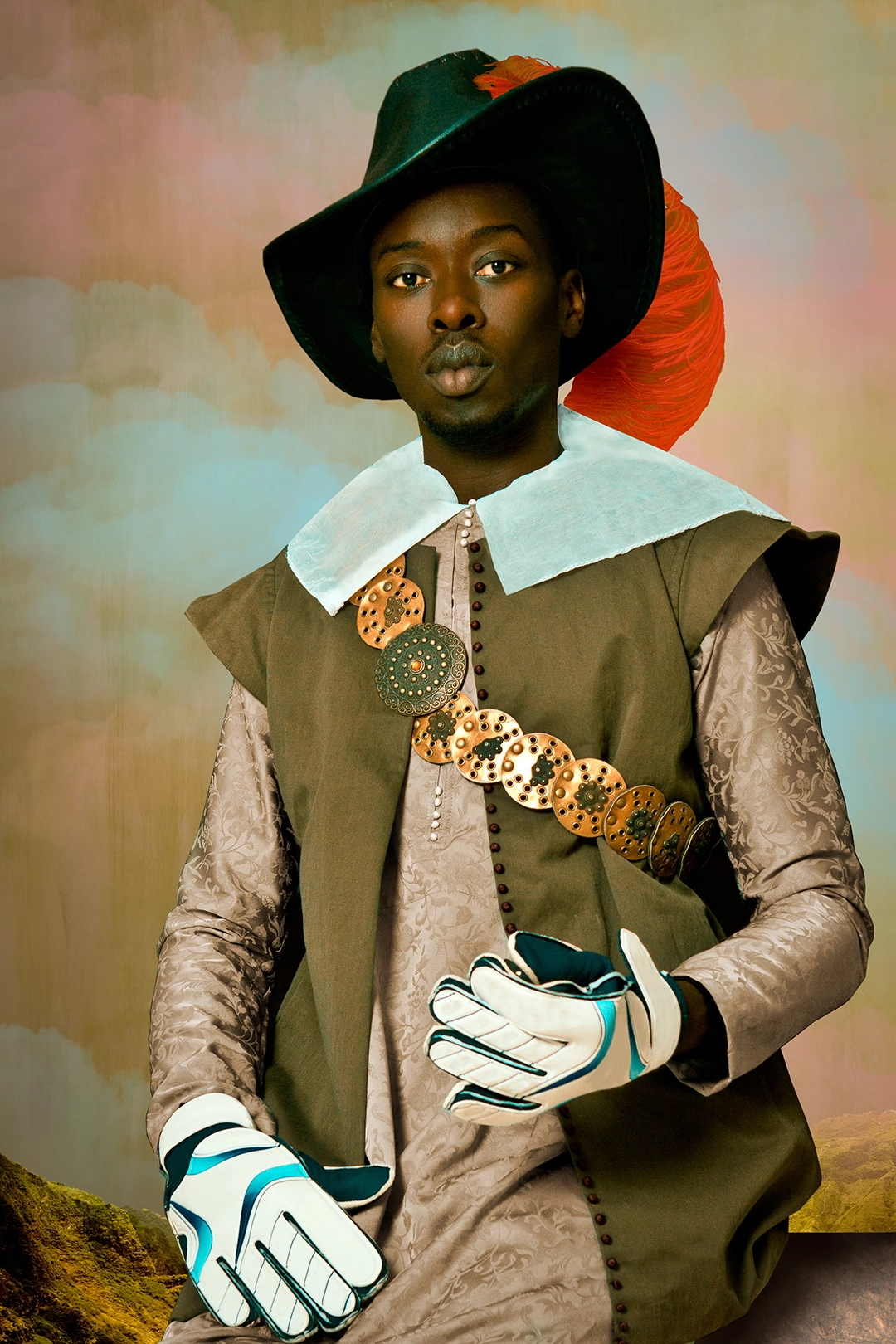
This self-portrait from 2014 is based on a painting by Jaspar Beckx, c 1643, where he depicts himself as its subject, Don Miguel de Castro, emissary of Congo.
Don Miguel de Castro and two servants arrived as part of a delegation sent by the ruler of Sonho, a province of Congo, via Brazil to the Netherlands. One objective of the journey was to find a resolution to an internal conflict in Congo. Original painting attributed to Jaspar Beck or Albert Eckout.
If there is tension here, it is almost imperceptible, somewhere between playfulness and solemnity. The mise-en-scène asks us to take the gesture seriously: the identitarian allegory, the declaration of belonging, the thread of cultural memory. The impression is of an author who knows he is being scrutinised by the cautious enthusiasm of Western art. Instead of entering someone else’s narrative, he builds his own stage and stands at its centre, calm, unhurried, asking no permission. This is the third time in two months that I encounter statements of this kind. What strikes me is that, although the work never abandons the codes of exotism —saturated colours, textiles, almost unreal birds, flowers and broad tropical leaves swollen with chlorophyll— these elements are orchestrated in a highly personal way, with a deliberately artificial touch. The result is that exotism reads more as quotation than as submission.
At the same time, the image has the aesthetic presence required by global luxury editorials. The references to “African” motifs, associated with the “Global South”, suggest a claim to the right to produce sophisticated images —using one’s own identifying elements— within the repertoire of the so-called First World. Once again, the only prerequisite is a basic, unadorned humility: to show up on equal terms, nothing more.
In the next piece, another of the award-winning artists, also very much worth watching.
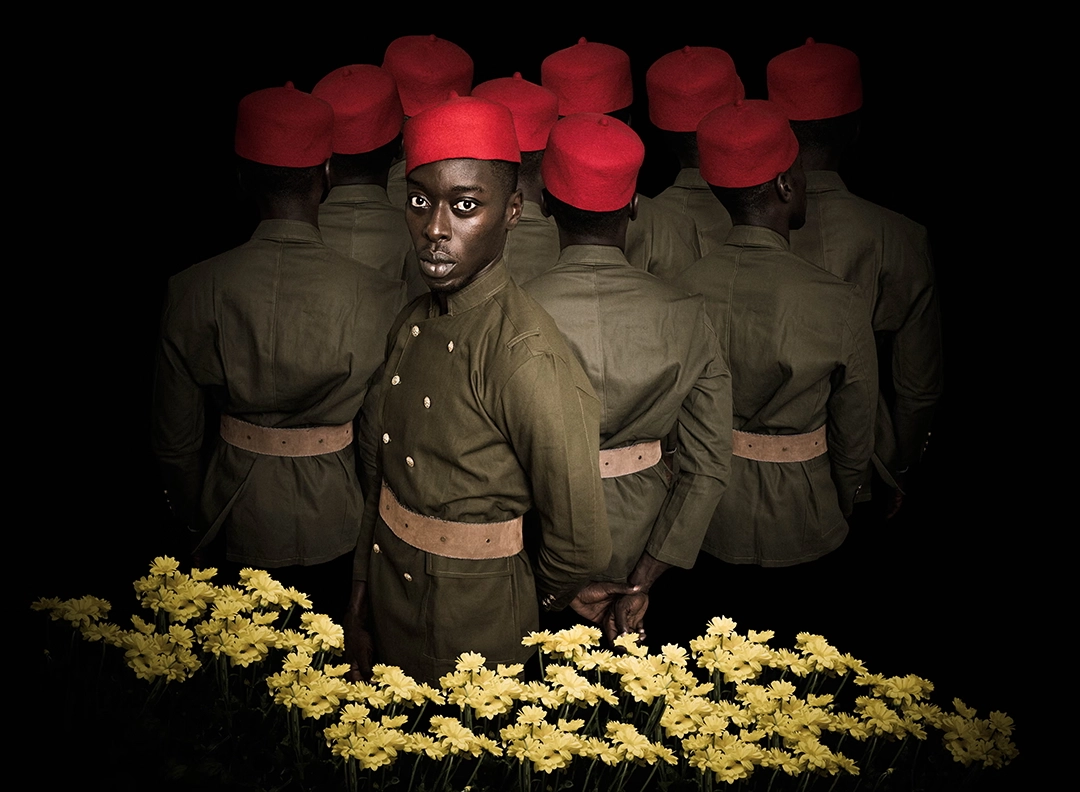
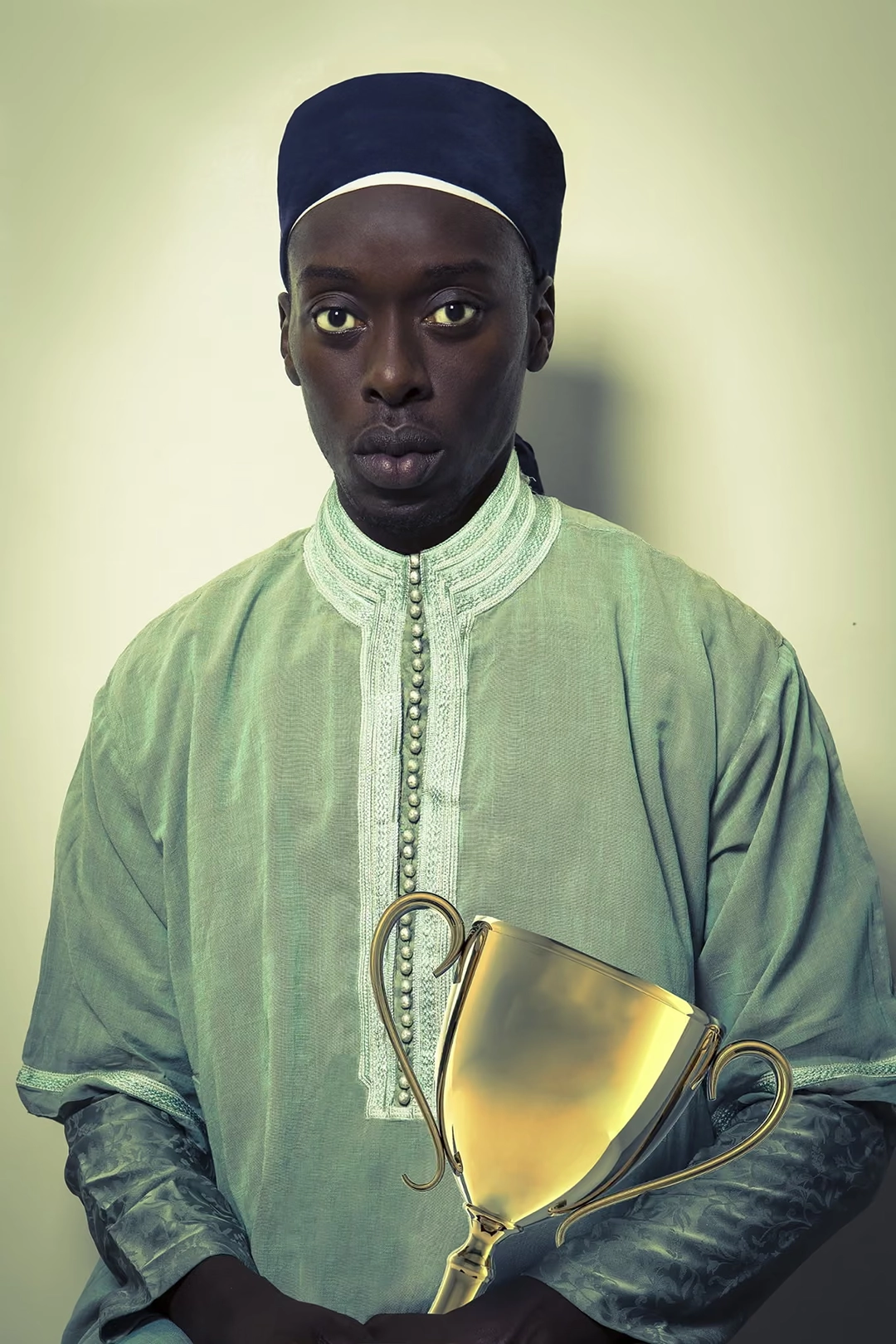
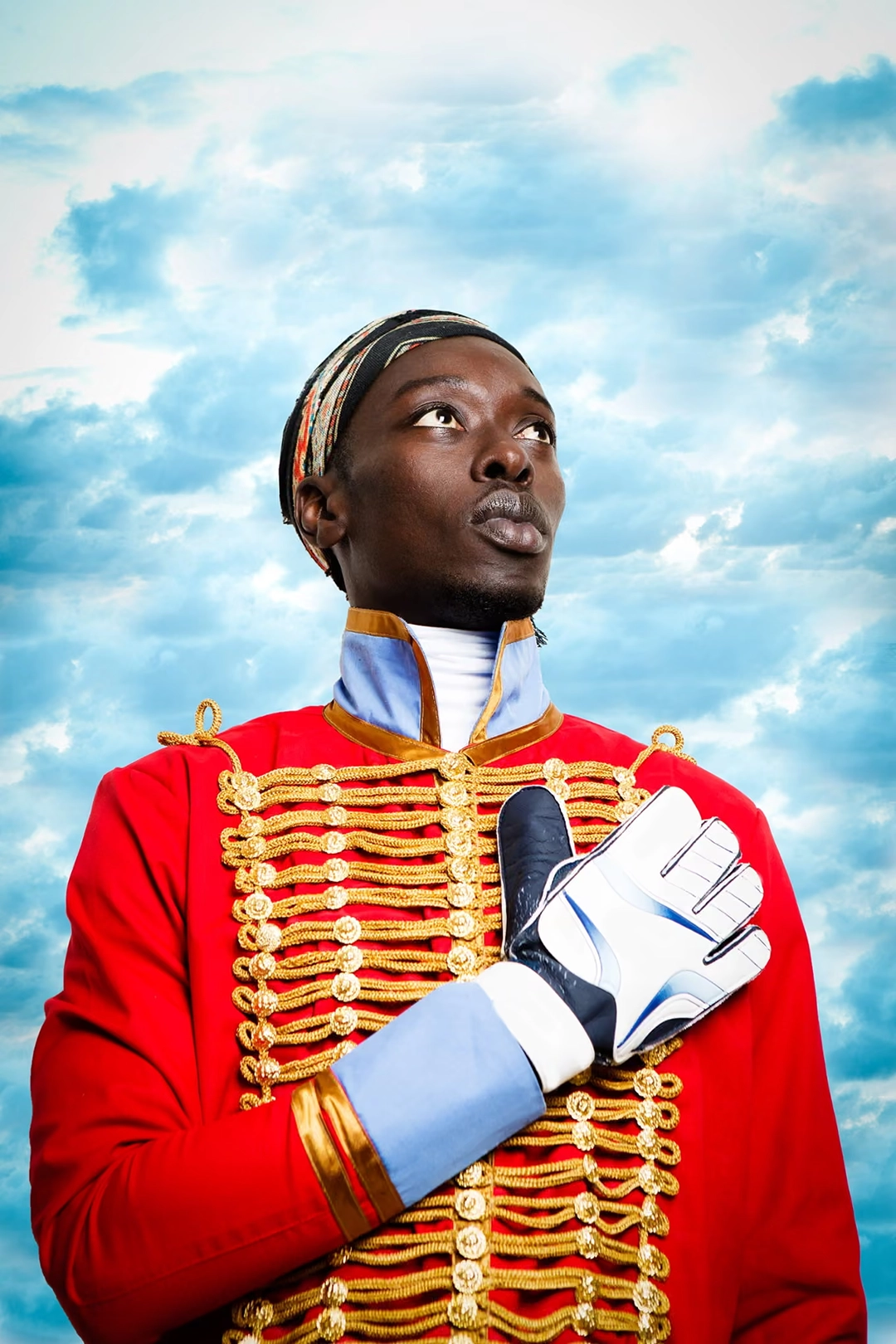
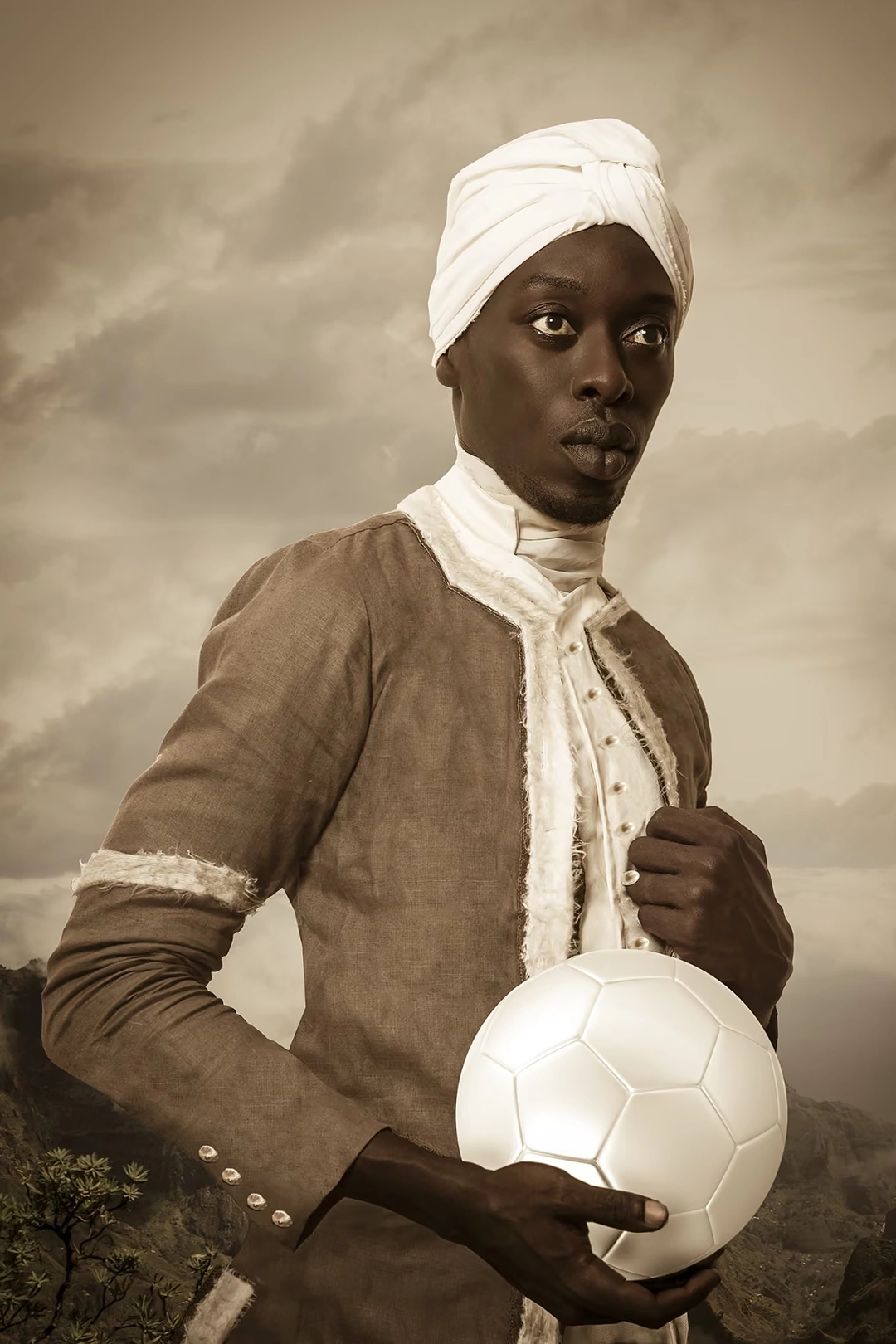
A reinvented narrative of Black history: this is how Omar Victor Diop defines his series Liberty. Blending self-portraits and staged images, the Senegalese artist revisits, without lamentation, key episodes in Black protest. This body of work was exhibited in 2017 at the La Gacilly Festival in Brittany (Morbihan).
On 1 December 1944, in a military camp at Thiaroye in Dakar (Senegal), a group of African tirailleurs, former prisoners of war, staged a protest to demand payment of the compensation and savings arrears that France had been promising them for months. The colonial authorities ordered a bloody repression. Seventy of these soldiers were killed without warning. The memory of this massacre remains starkly present in the collective consciousness of francophone Africa. OMAR VICTOR DIOP – Courtesy Galerie Magnin-A







I have sometimes thought about what, for once, I might call “the oneiric substance,” if only to steer the question into less sinister territory: do dreams arise from experiences not fully processed, or are they autonomous energetic structures, detached from various material or temporal sources, that pass through the mind in search of the lost warmth of emotions? The question has its beauty.
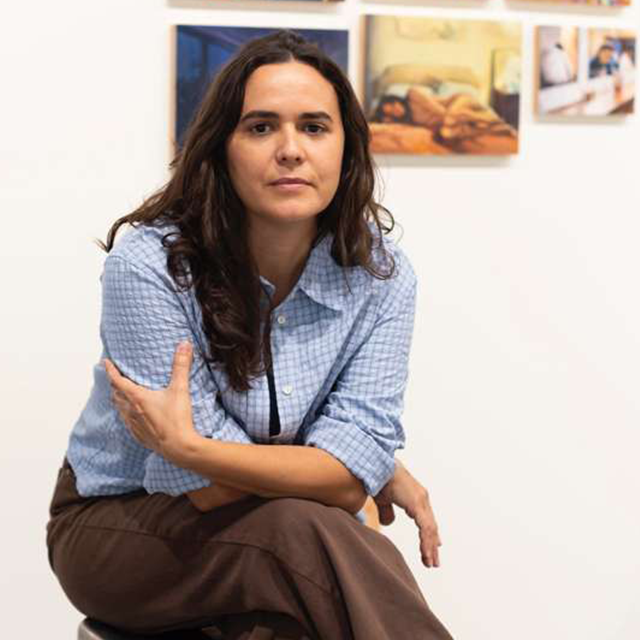
Evelyn Sosa and Leticia Sánchez Honored for Their Artistic Contributions
.svg)