1310 PENDLETON STREET CINCINNATI, OH
| (513) 407-7077 | WED - SAT 11:30 AM - 4:00 PM

THE
ANNEX
NEWS

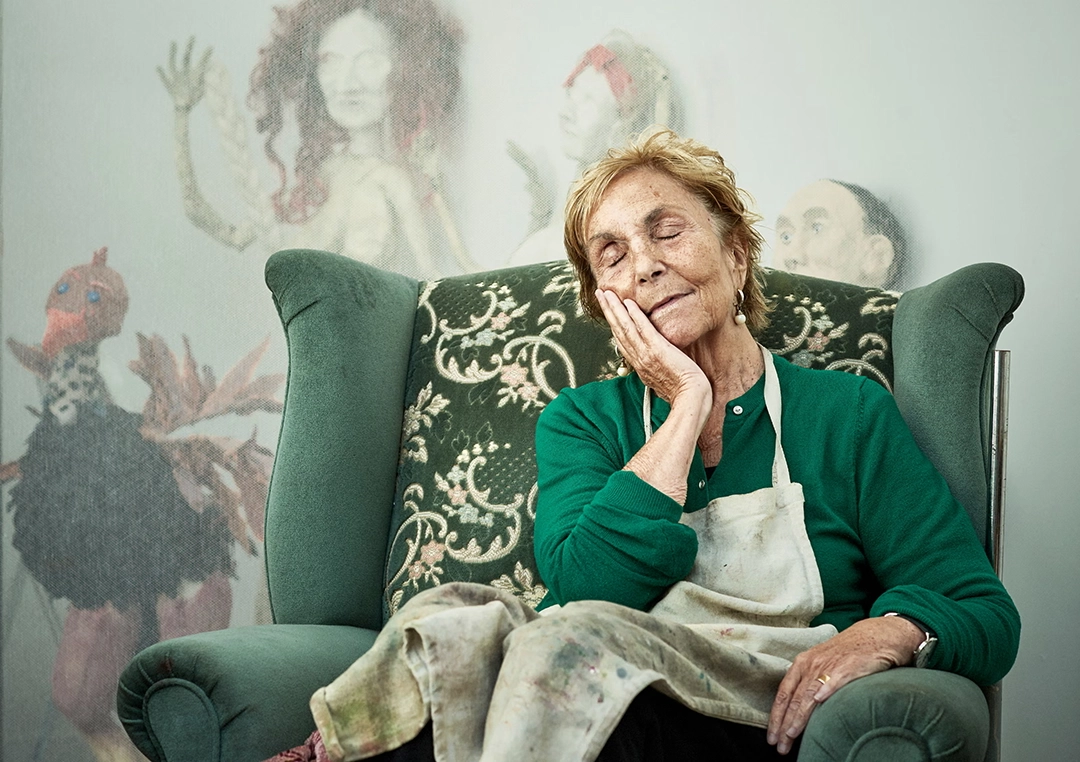
Paula Rego in 2018. Photograph Phil FiskThe Observer
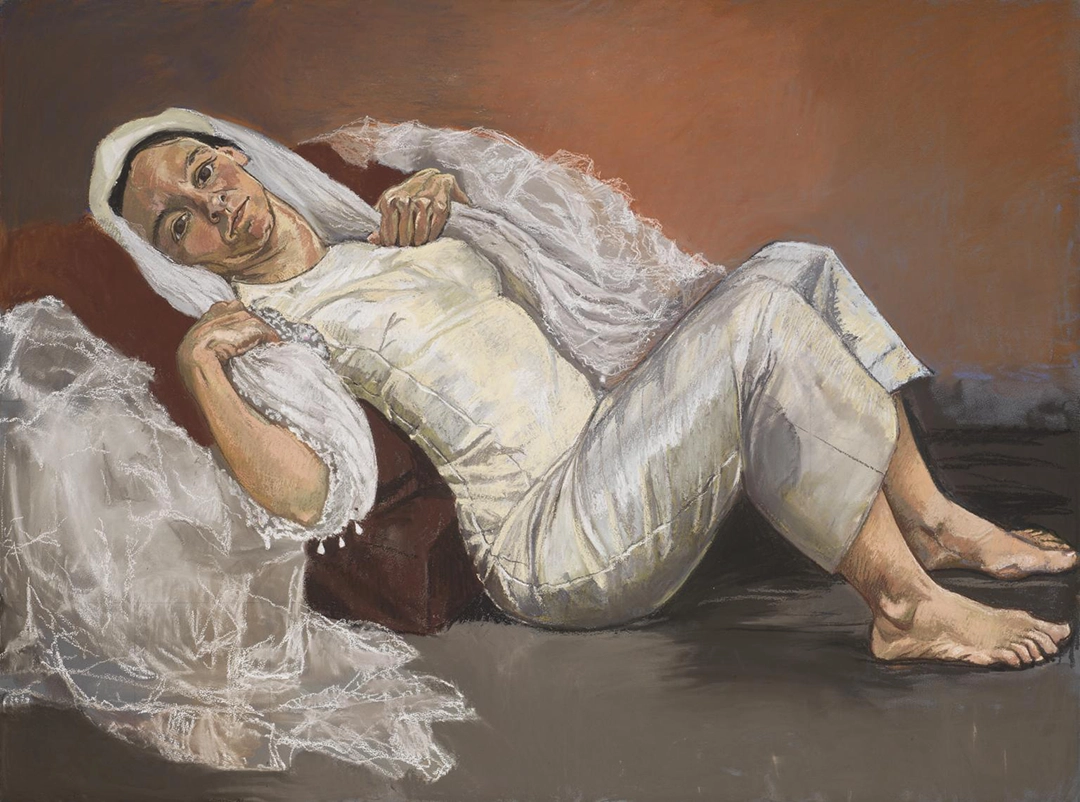
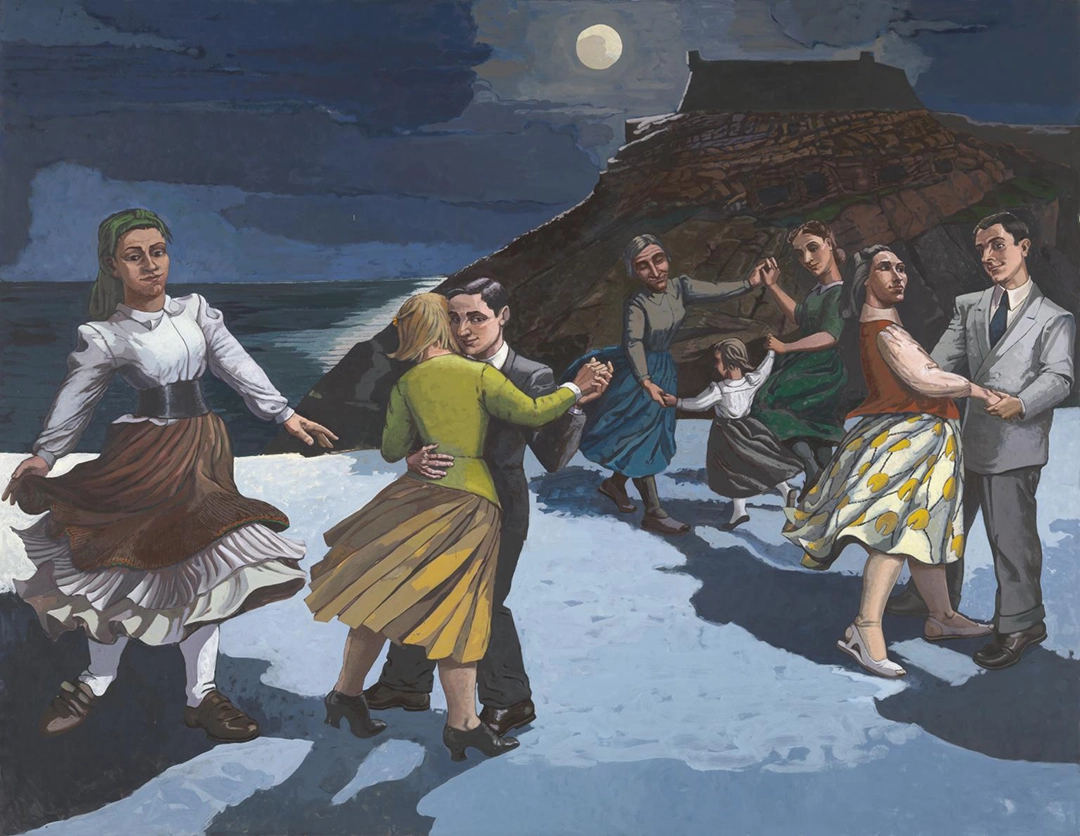
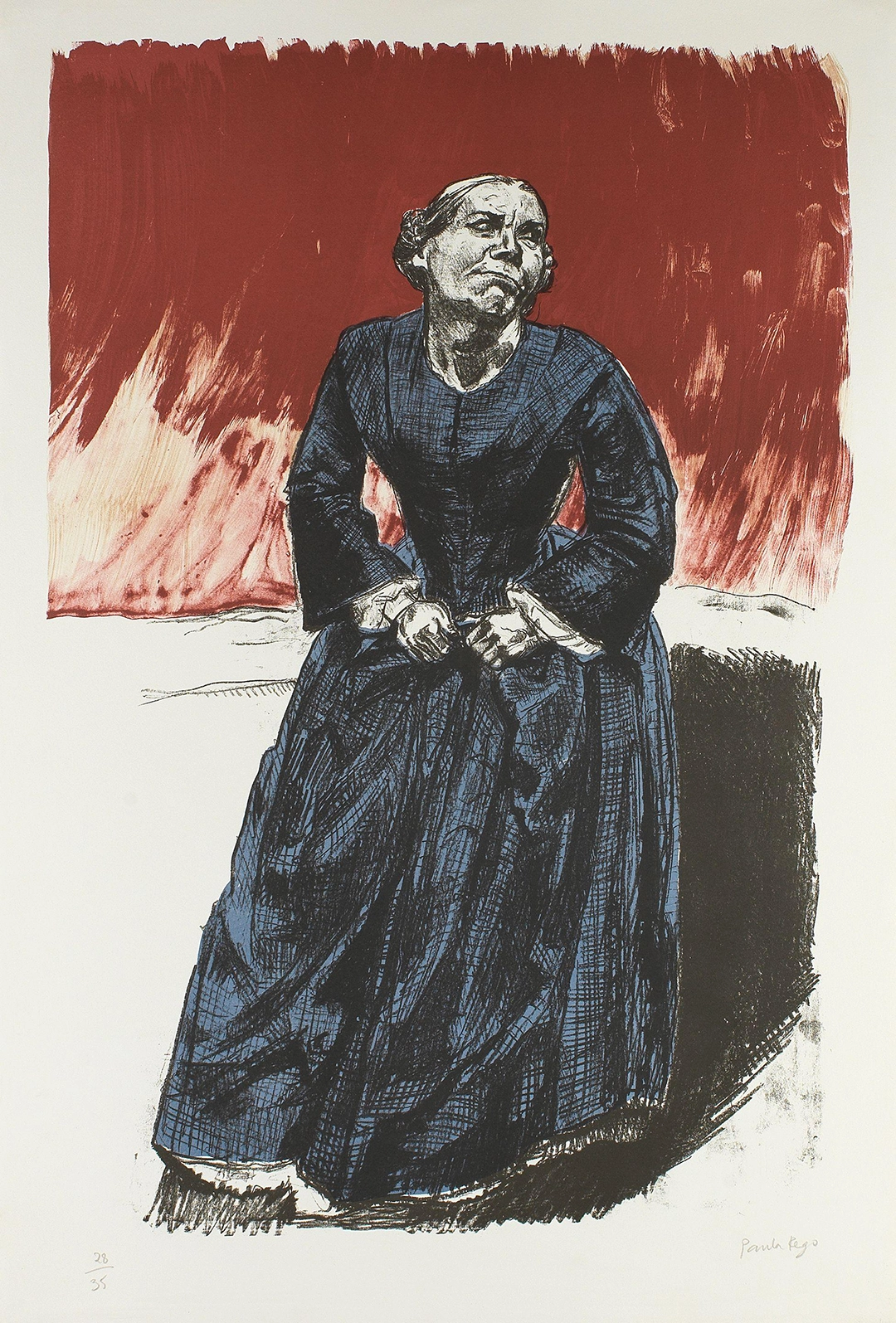
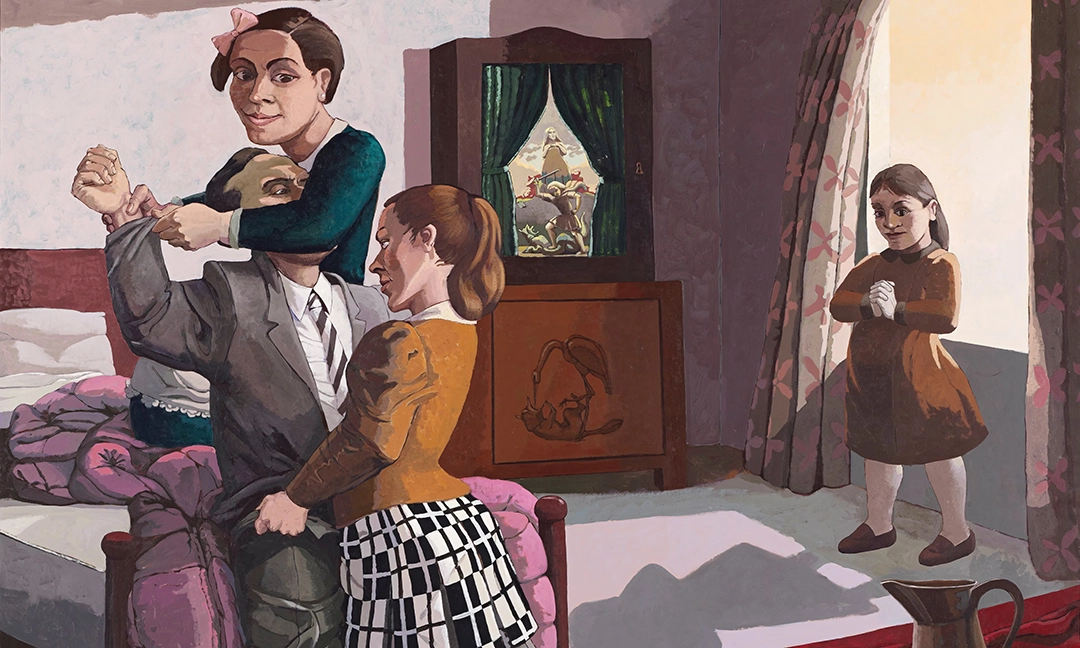
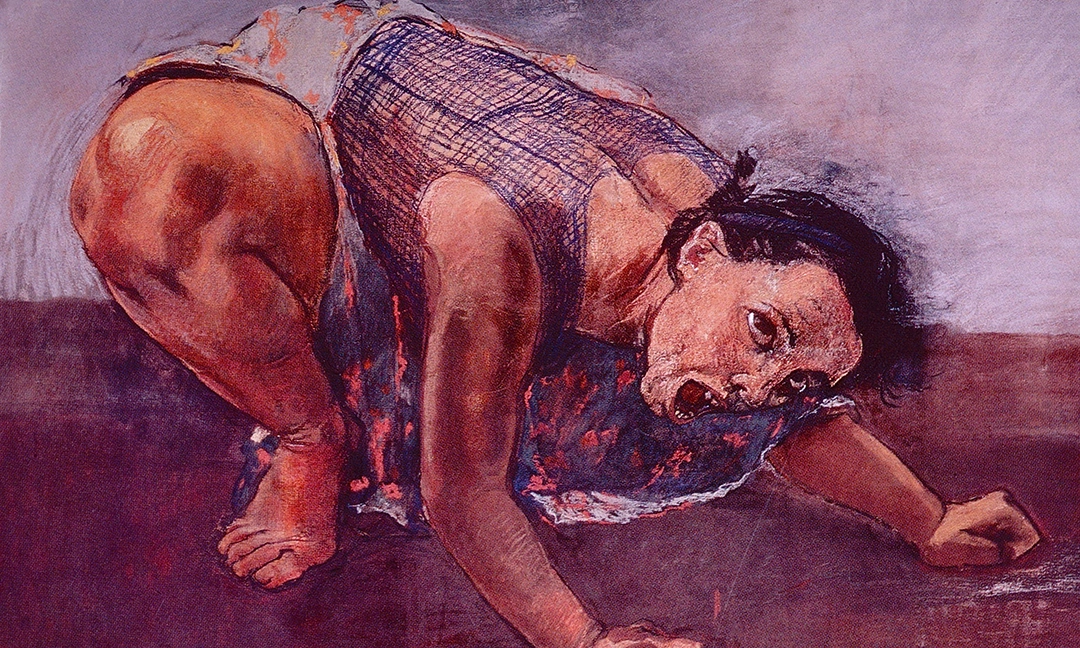
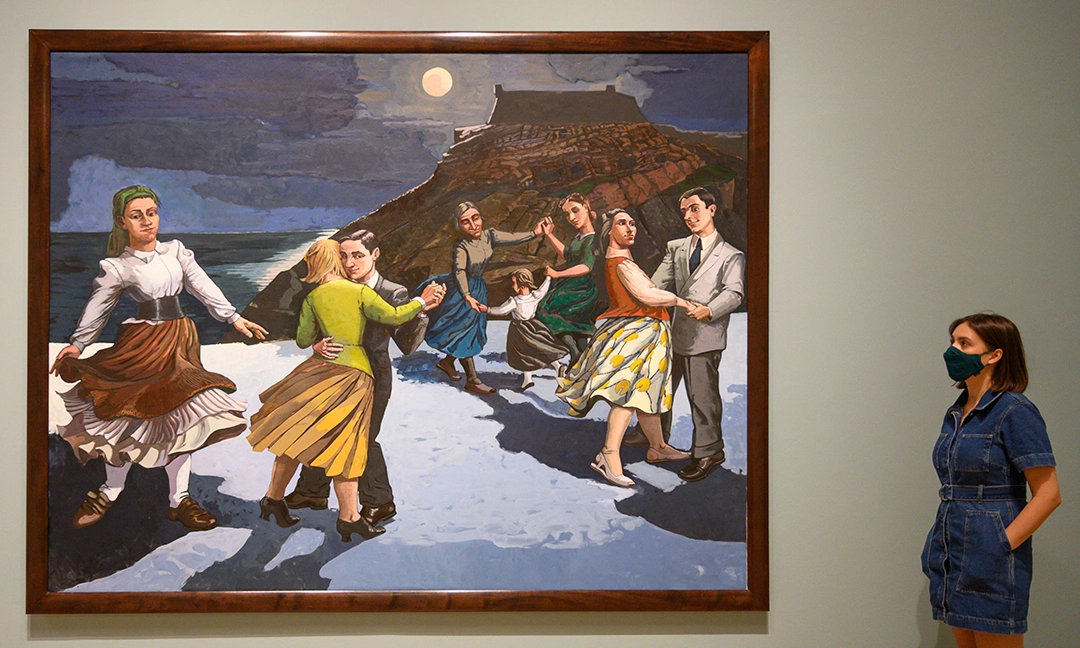
Three and a half years after her death, Paula Rego’s work continues to unfold an uneasy power, resistant to domestication. A recent exhibition at Cristea Roberts Gallery in London brings together a group of prints produced between 2005 and 2007, during the final phase of the artist’s career. Far from any pacifying reading, these works confirm that time does not soften the strangeness of her universe; on the contrary, it sharpens it, making it harder to evade.
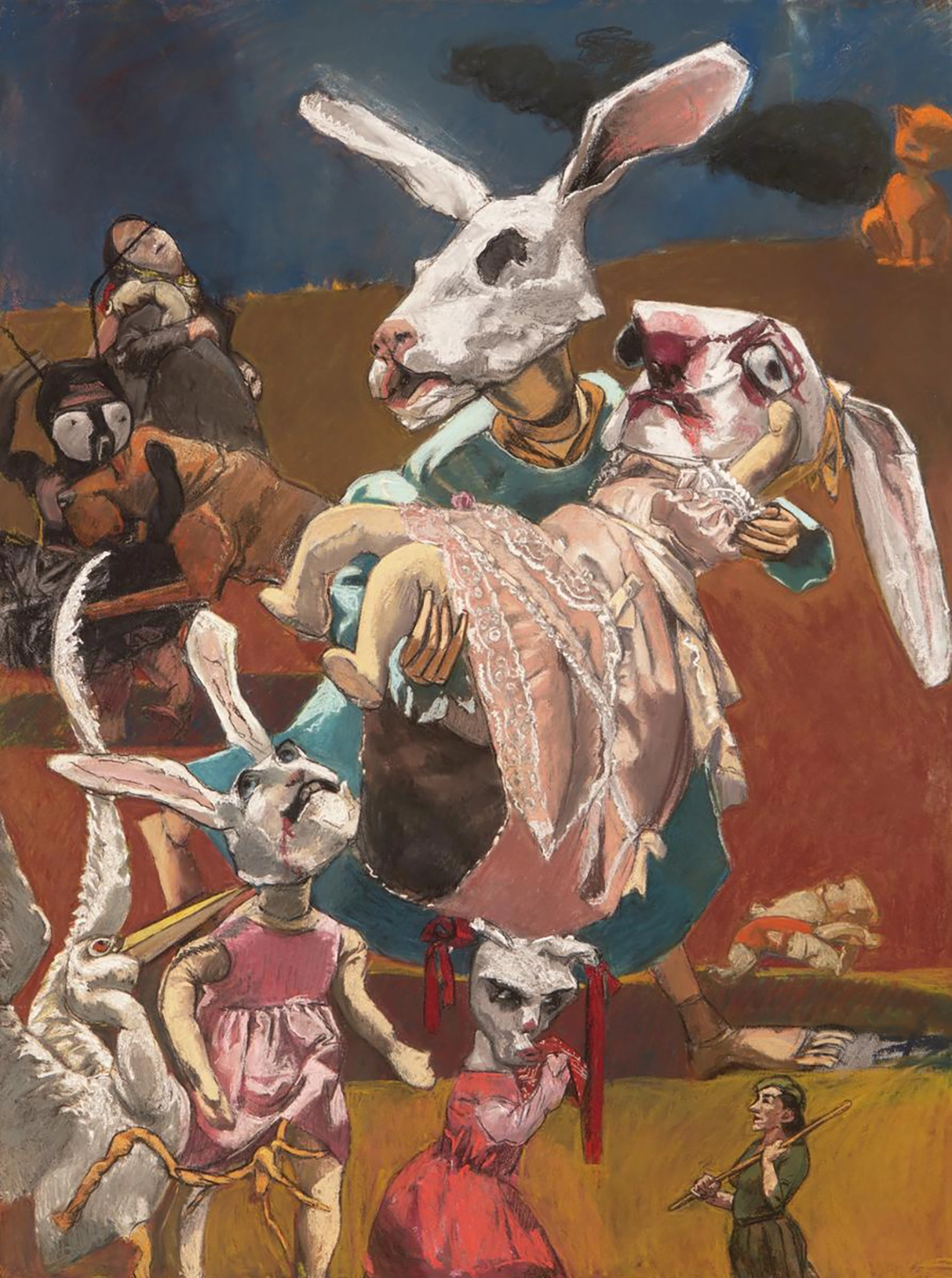
The images condense many of the central concerns that defined her practice: subjugated bodies, relations of power, symbolic violence, and unsettling domestic scenes. Adult women cradle fetuses like dolls; men appear with animals replacing parts of their bodies; girls play around fallen male figures whose condition—alive or dead—remains deliberately ambiguous. Across this body of work, Rego combines a direct figurative language with extreme situations, at times grotesque, at times cruel, where narrative does not lead to explanation but to a sustained state of unease. Some works enter into dialogue with the dark, theatrical imagination of filmmaker Martin McDonagh, reinforcing an atmosphere of absurdity and latent violence.
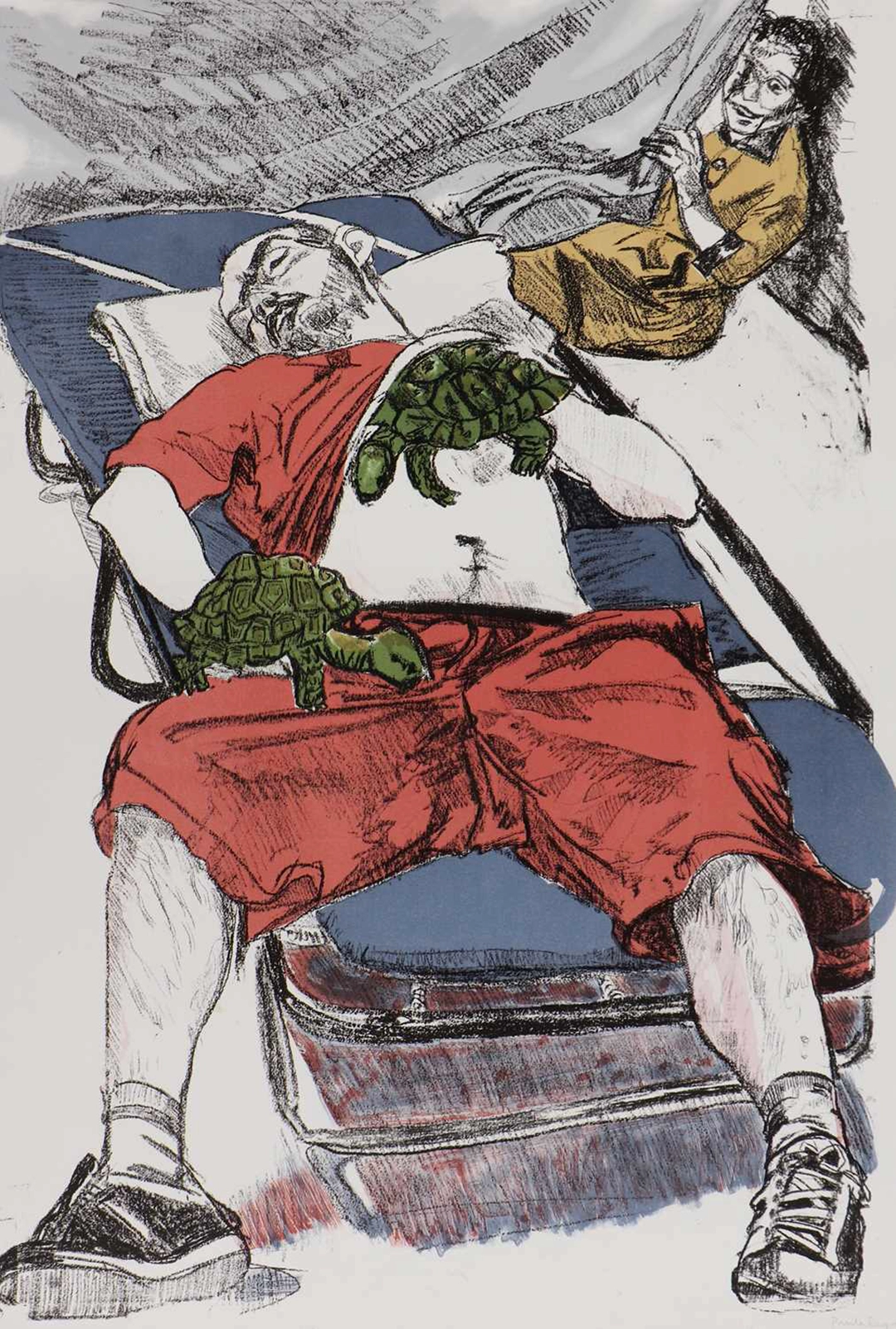
Turtle Hands, 2006
Among the pieces on view, Turtle Hands (2006) stands out: a man lies reclined while two turtles take the place of his hands, an image that distills Rego’s symbolic logic—substitution, immobility, silent threat. The exhibition is completed by a partial recreation of the artist’s studio, incorporating puppets and objects that offer insight into her working method, always closely tied to the scene, the body, and representation. The exhibition is on view through January 17 at 43 Pall Mall, London.
The images illustrating this text are, for the most part, for reference only. The works are available for sale upon request.




I have sometimes thought about what, for once, I might call “the oneiric substance,” if only to steer the question into less sinister territory: do dreams arise from experiences not fully processed, or are they autonomous energetic structures, detached from various material or temporal sources, that pass through the mind in search of the lost warmth of emotions? The question has its beauty.
Evelyn Sosa and Leticia Sánchez Honored for Their Artistic Contributions

.svg)