1310 PENDLETON STREET CINCINNATI, OH
| (513) 407-7077 | WED - SAT 11:30 AM - 4:00 PM

THE
ANNEX
NEWS

Cuba, Spirit and resiliencia in the Work of Ivonne Ferrer and Ciro Quintana
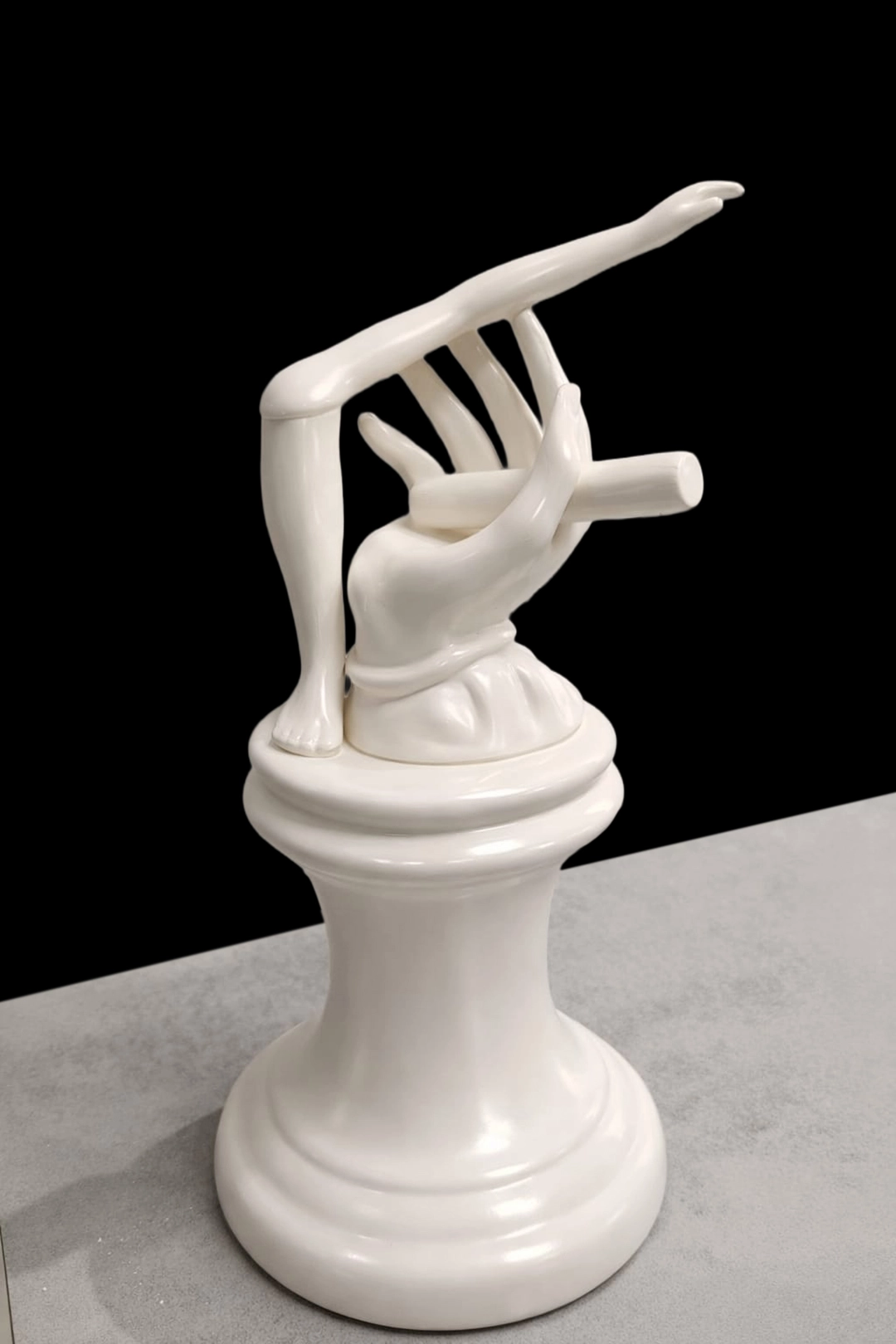
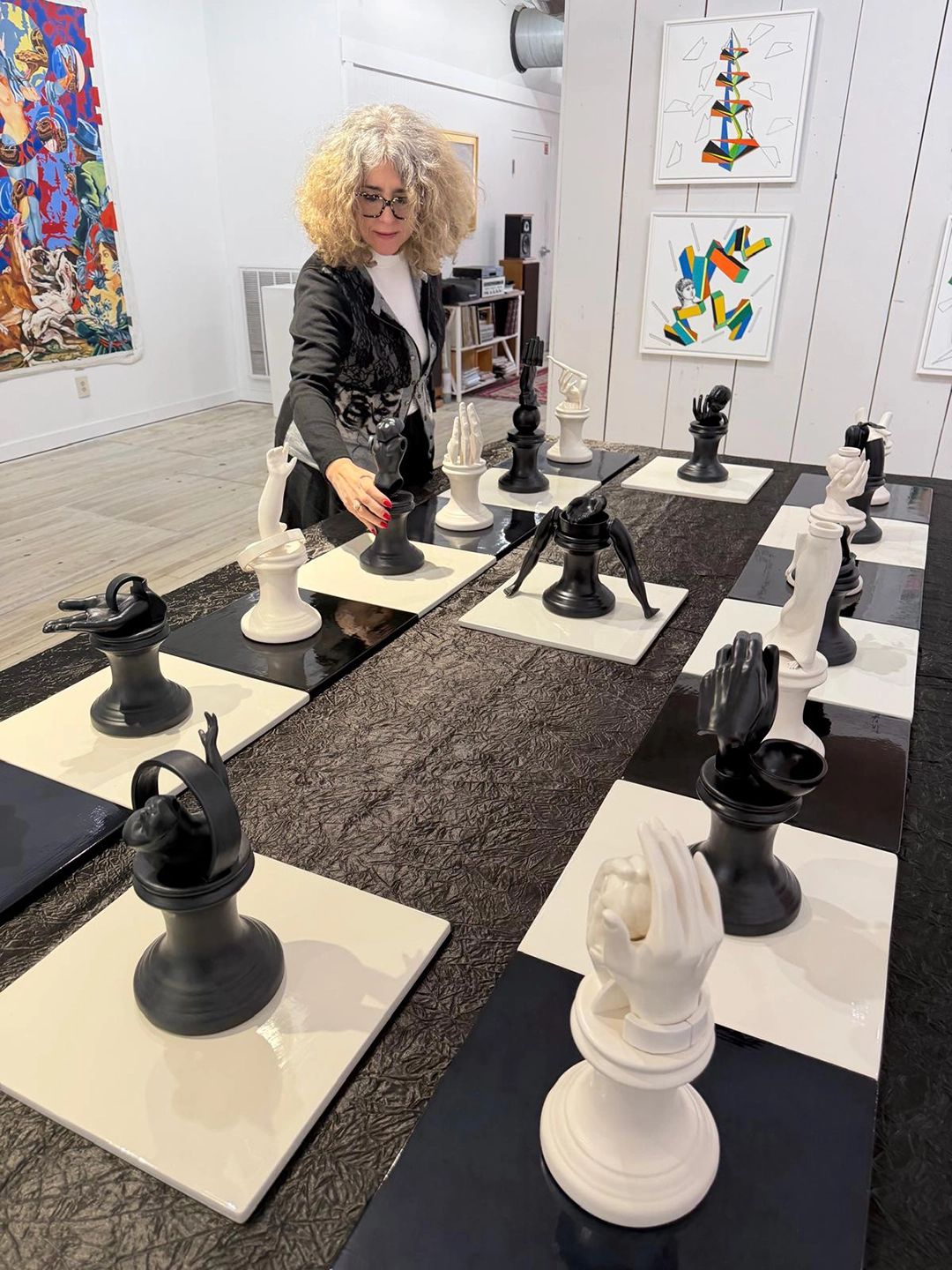
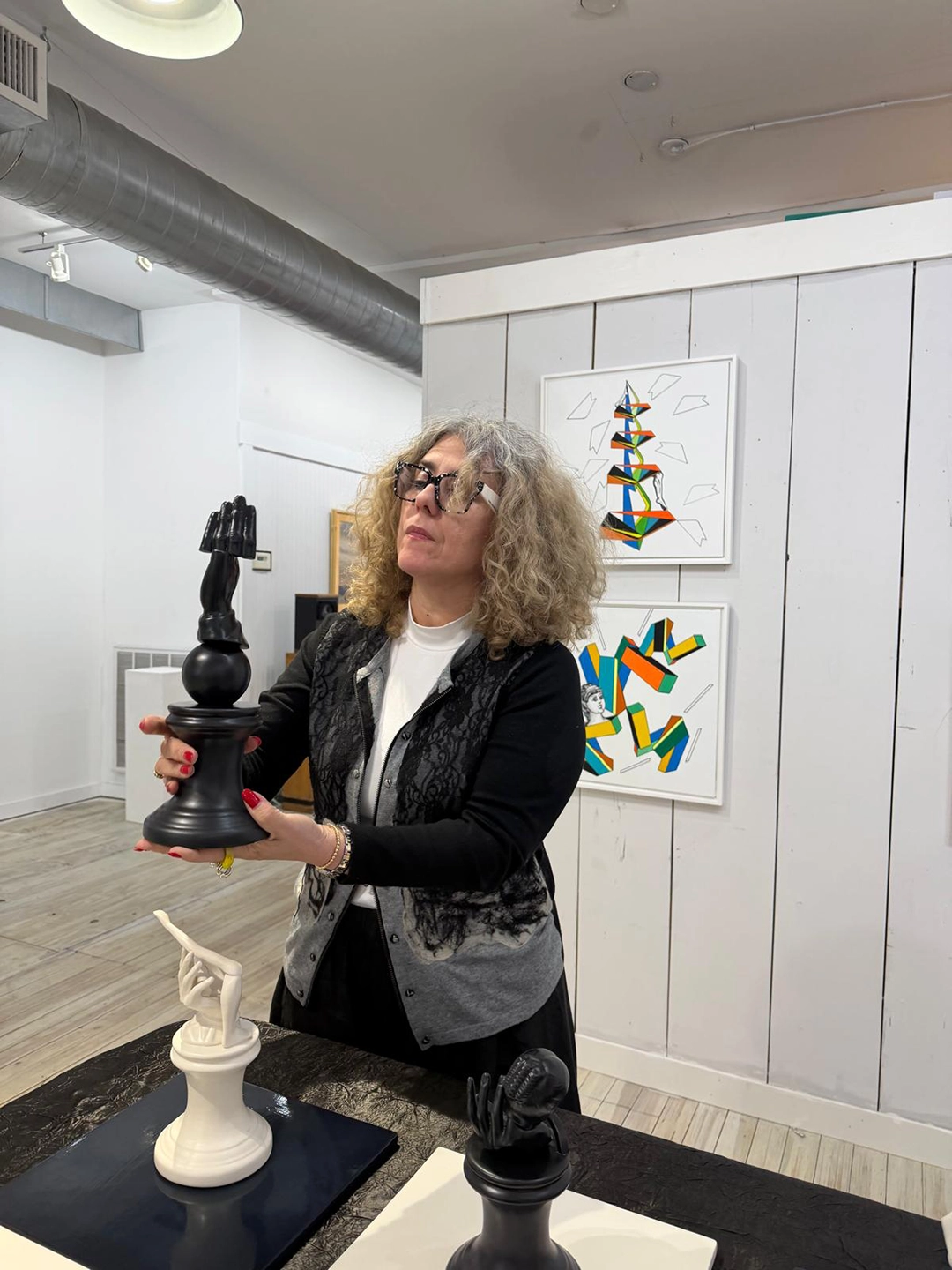
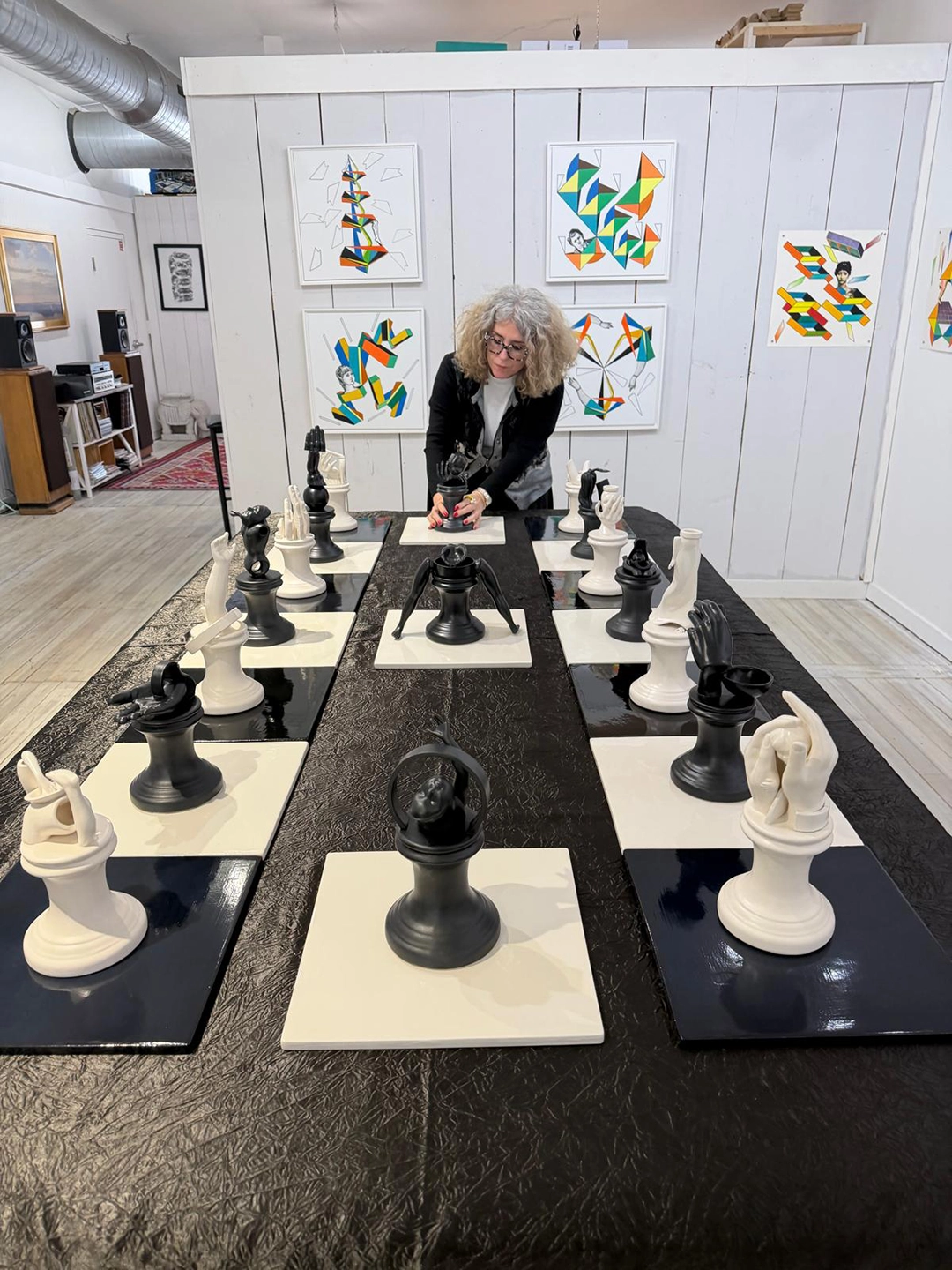
One of the works to be exhibited at The Annex, currently in progress
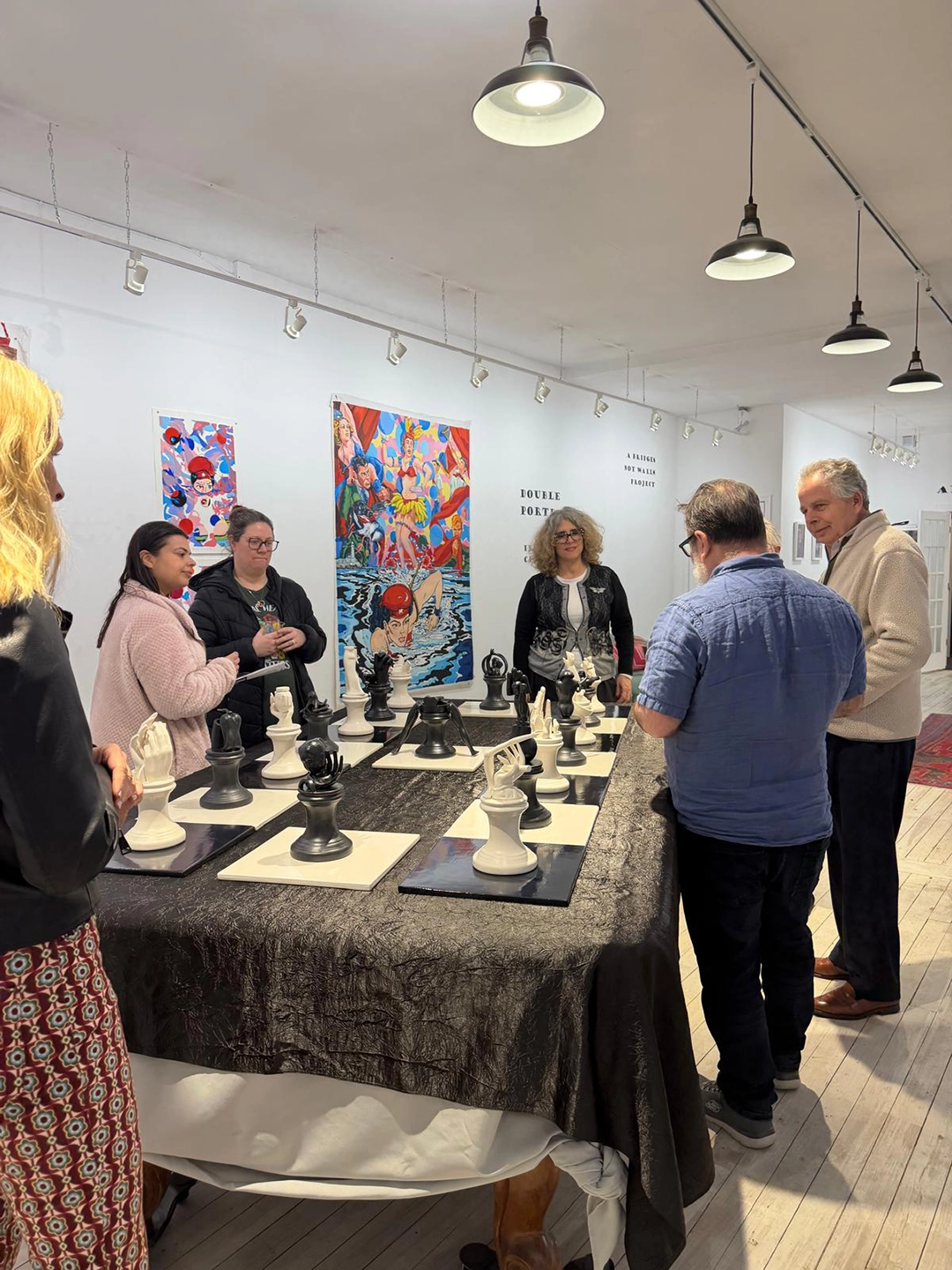
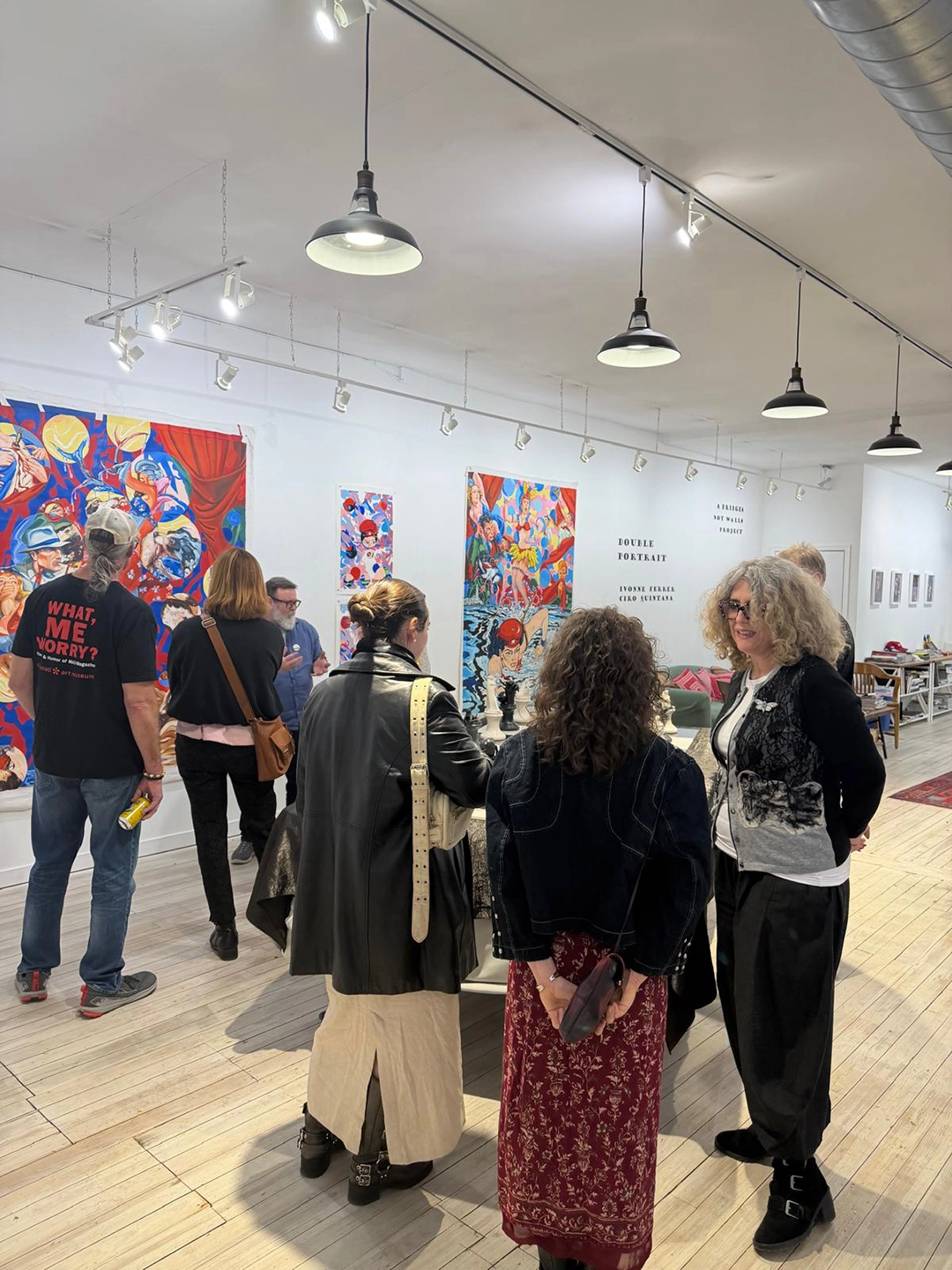
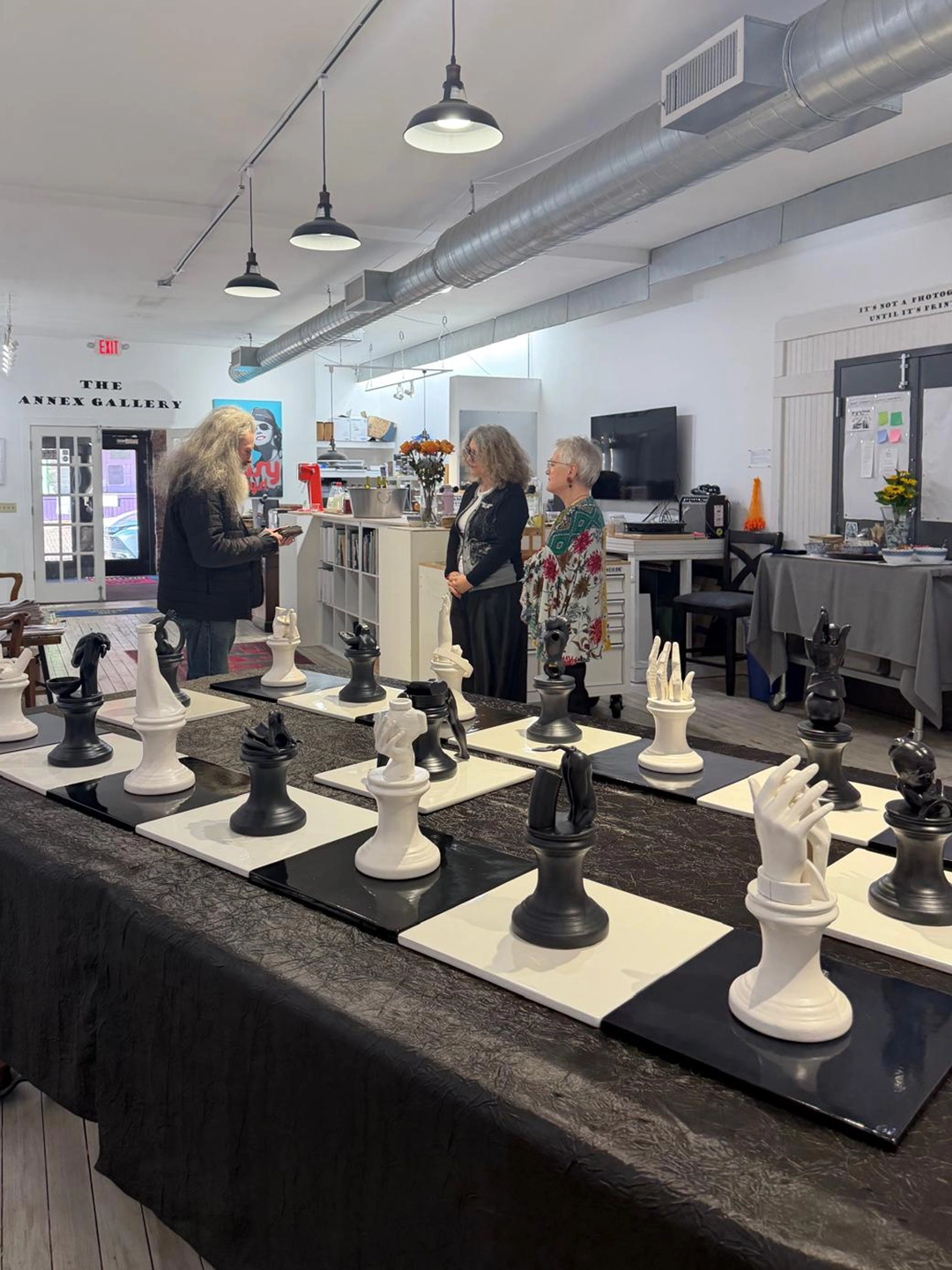
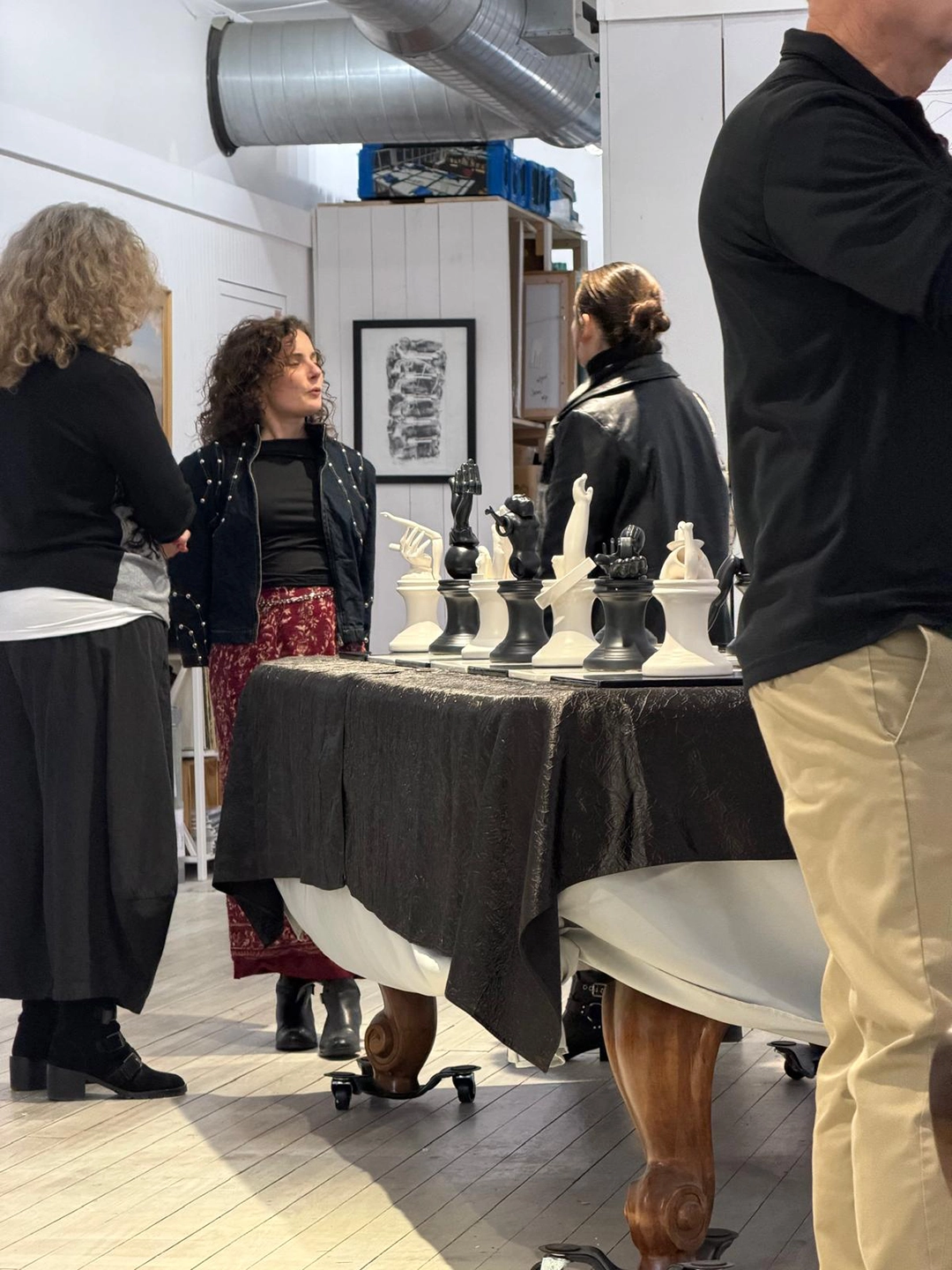
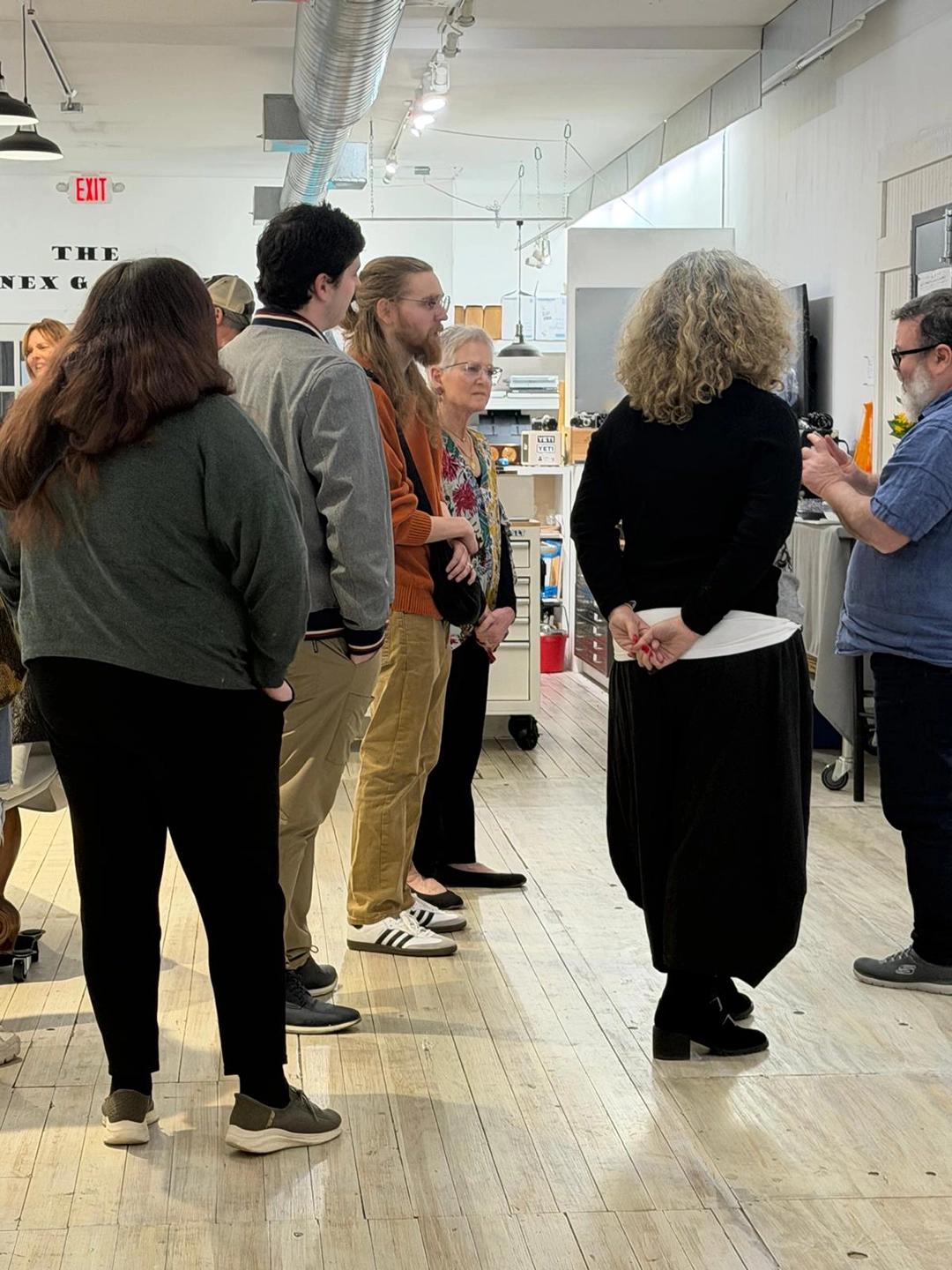
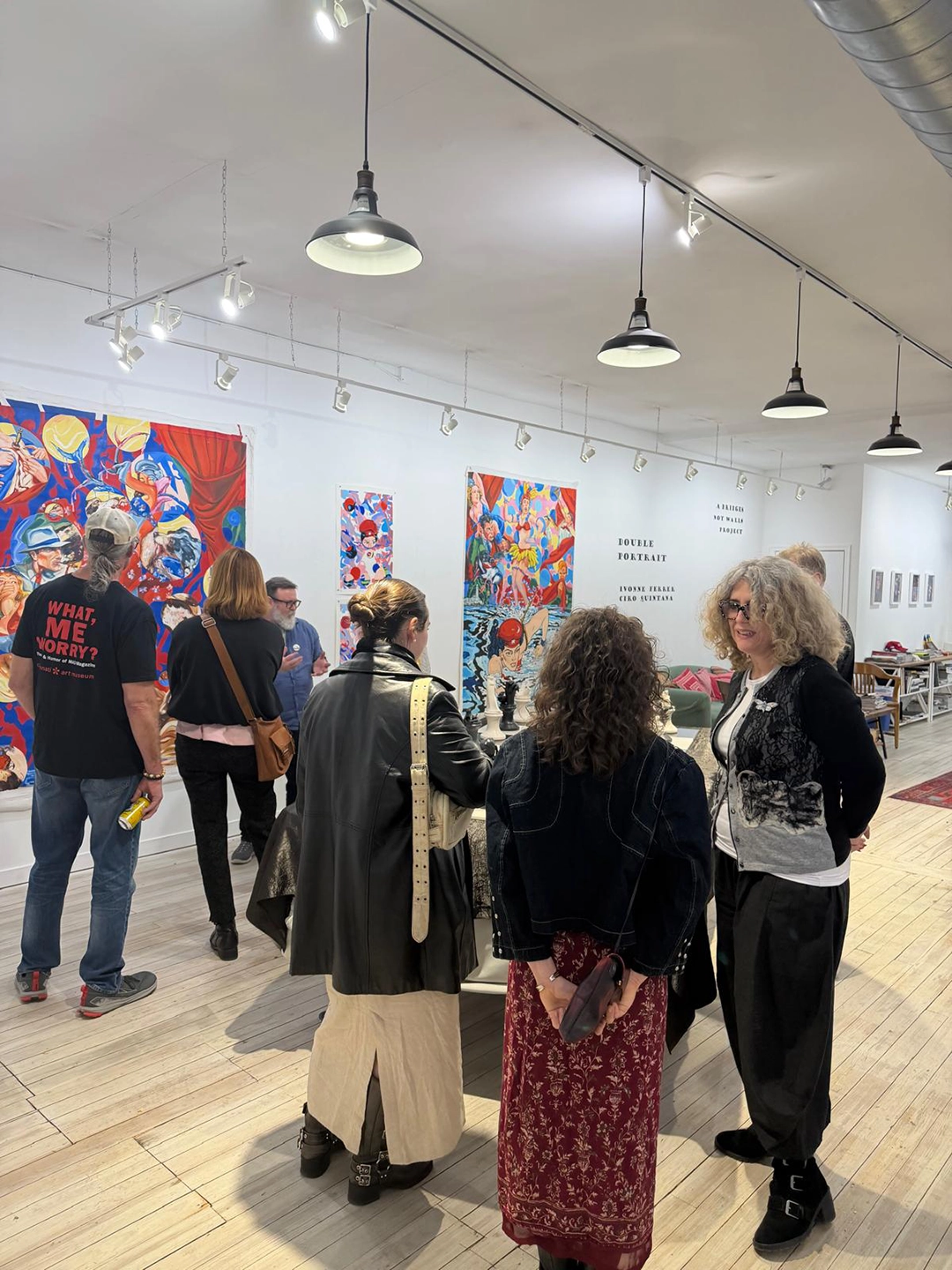
Held on the 27th as part of the Pendleton Art Center’s widely attended Final Friday, the gallery welcomed close to one hundred visitors between 5:00 and 9:00 p.m. The public showed particular interest in the political dimension underlying Ciro Quintana’s works and in the reflections on identity and gender presented through Ivonne Ferrer’s ceramic selection.
Both artists share an origin and a disciplined studio background. Ferrer trained at San Alejandro Academy and at the René Portocarrero screen-print workshop in Havana, and she worked as a conservator at the Museum of the City of Havana before leaving Cuba. Quintana was born in Havana in 1965 and is the founder of the Puré Group, with a trajectory tied to the core generation of Cuban artists who came into focus in the 1980s.
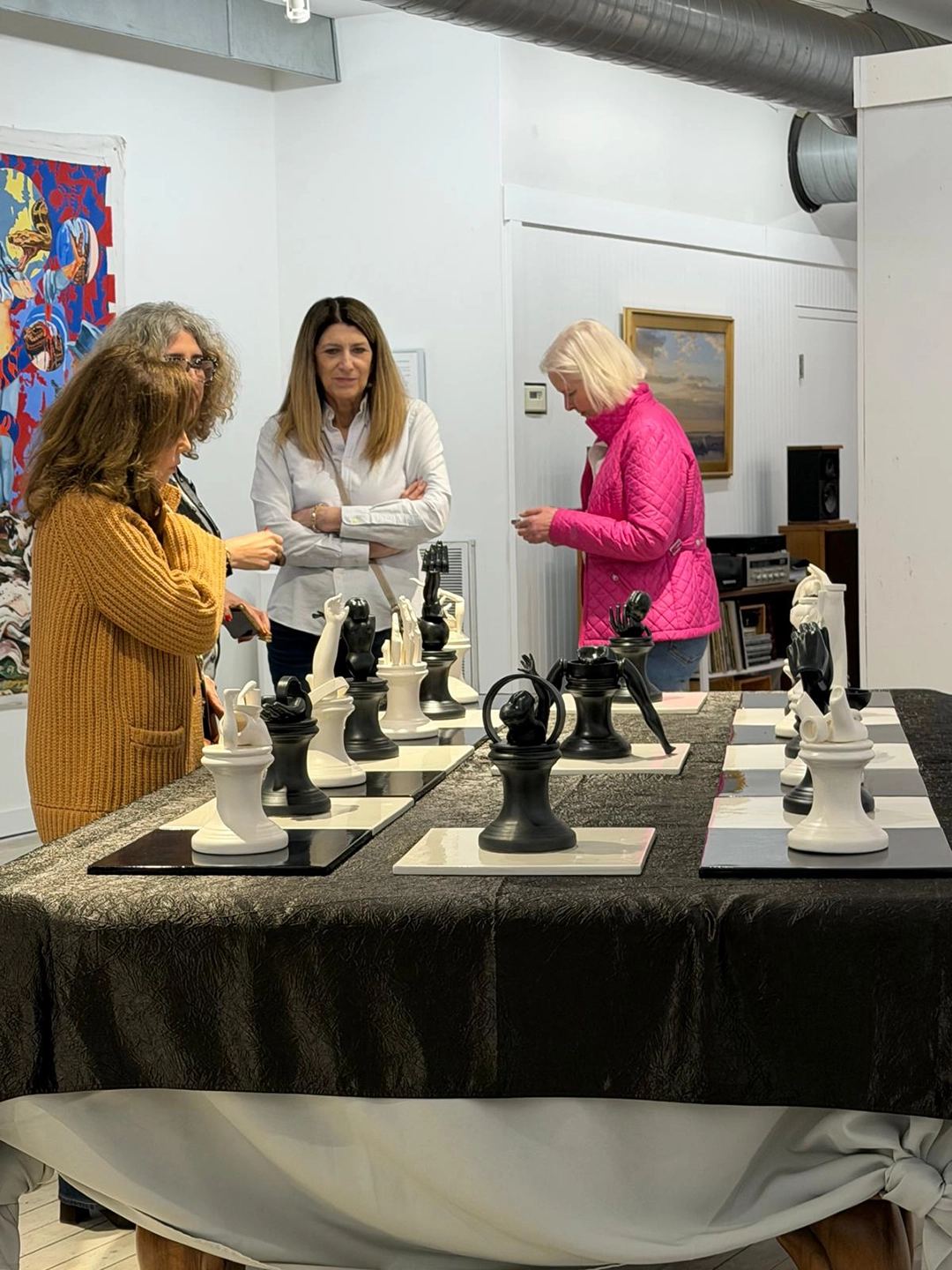
Ferrer’s practice grows out of collage and moves steadily into the physical: materials, surfaces, and forms that include ceramic elements and related processes. Her work also sits inside the ecosystem of the Museum of Contemporary Art of the Americas, where she serves in a leadership capacity alongside the Fine Arts Ceramic Center—a practical clue as to why her work circulates through exhibitions, collections, and published contexts. The current of her work is cultural memory, held by form and construction rather than turned into a flat statement.
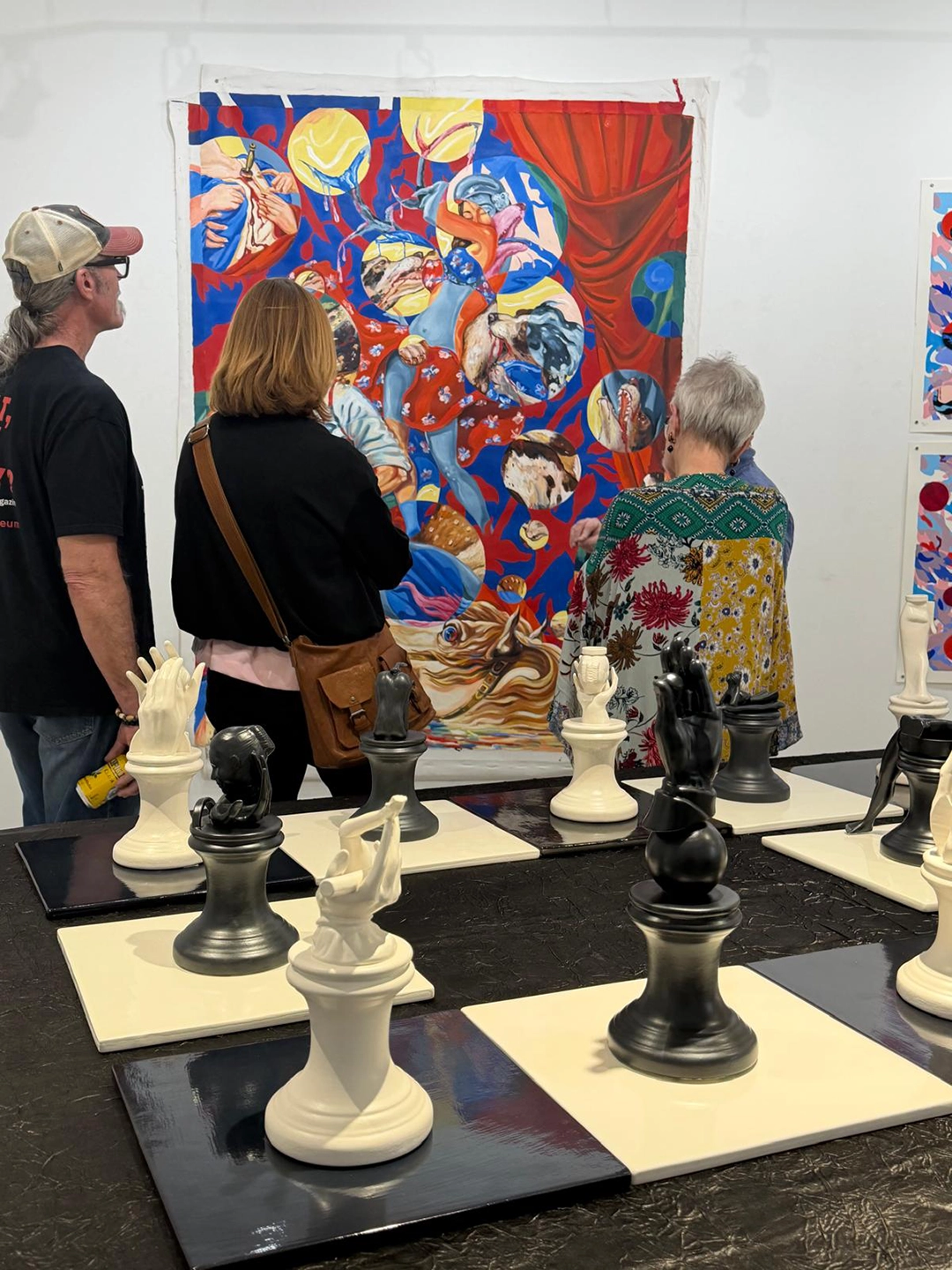
Quintana’s work has been shown across countries and carries the unmistakable stamp of Cuba’s 1980s scene. That decade remains central for understanding the course of Cuban art, both on the island and in exile; much of the language that defines it still draws directly from those years. Quintana meets the viewer with critical energy and a direct visual register. His work reads best as visual culture in motion: symbols drawn from art history and popular imagery, from comics and Pop, and from public life itself—returned as commentary. It doesn’t ask for solemnity. It asks for close looking.
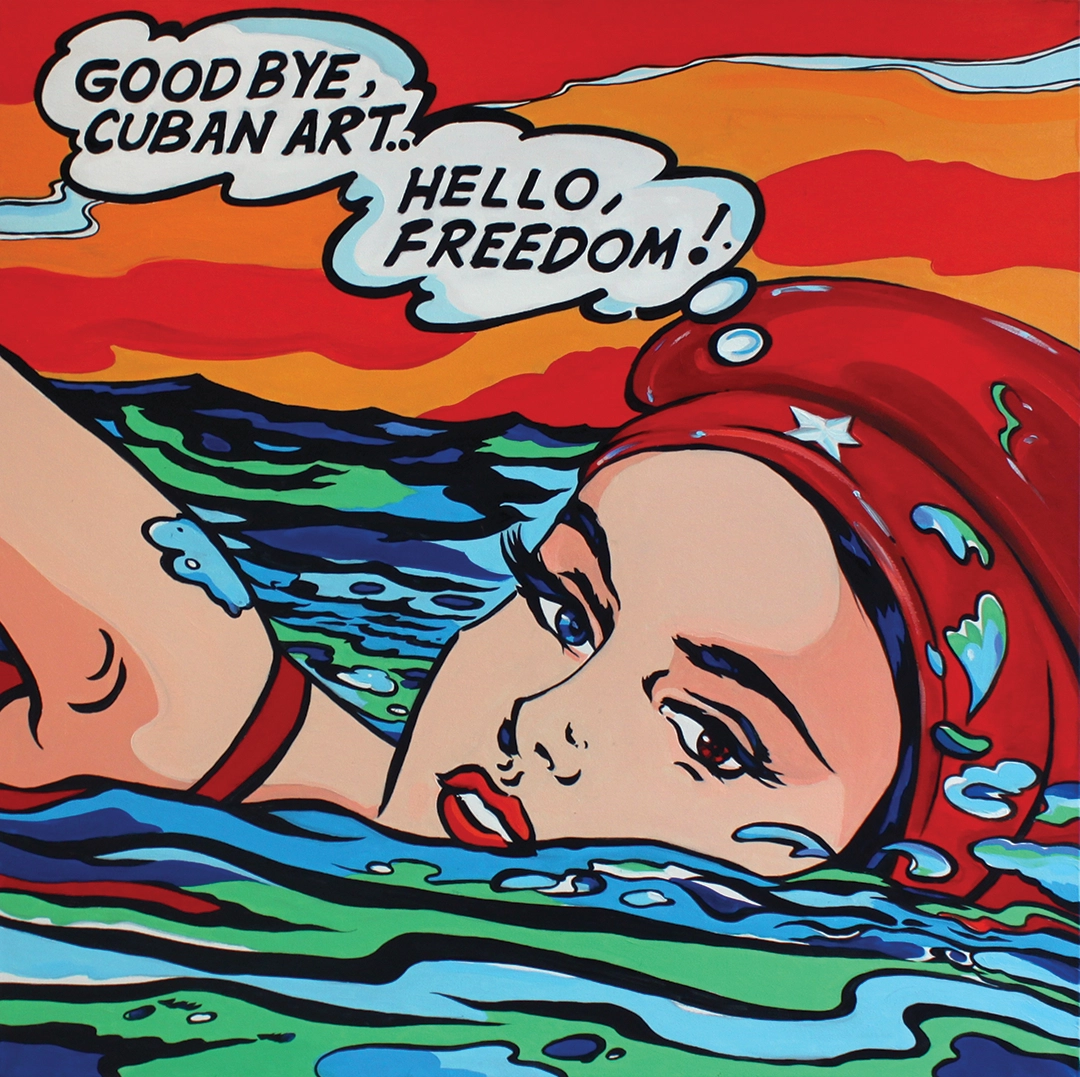
Good bye Cuban Art, 2018Oil on linen | 38 x 38 inches
The title, Double Portrait, makes a simple claim without forcing it. This is not only a portrait of two artists, but of a highly politicized context, where even readings that might be labeled “gender” in Ferrer’s case are shaped by historical pressure. Miami appears here as a saturated optical field—light, heat, displacement—conditions that change how any surface is read. Set in Cincinnati, under a different and more traditional symbolic climate, the two narratives—distinct yet related—take on new properties, far from the overused “origin and destination” script.
In the Midwest, the exhibition does not need the epic framing these works often attract elsewhere. There is already a concrete precedent for exchange between Cincinnati and MoCA-Americas: a selection from its ceramics collection traveled to NCECA, where Ferrer’s sculpture and Quintana’s ceramic works were shown. Double Portrait can—and should—be read as a continuation of that bridge, in a different register: more focused, more intimate, more demanding. It keeps the conversation moving across regions and across states, because Miami is its own world, not easily folded into a standard American template. It widens the frame of reference, and then it lets the images do their work.
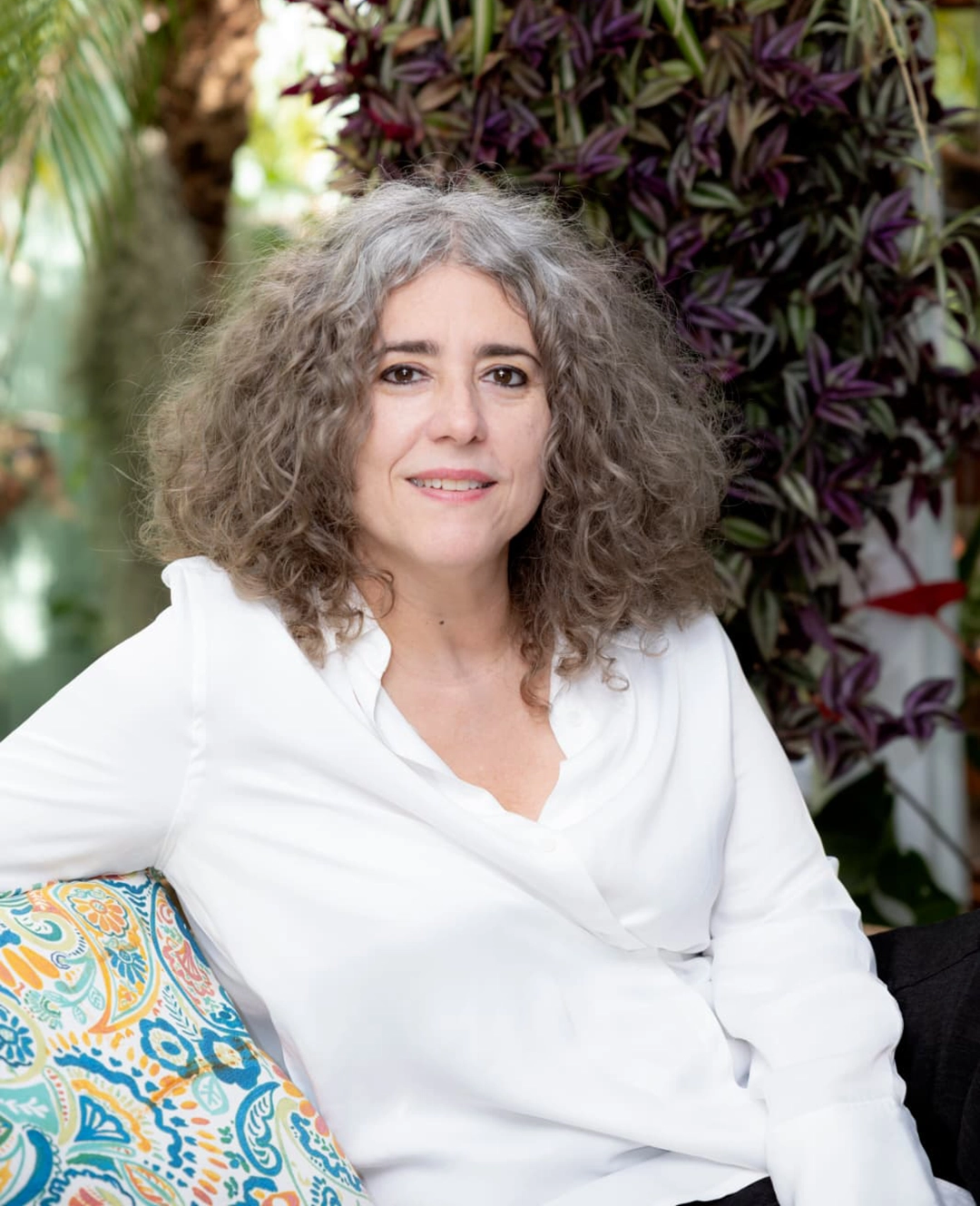
Ivonne Ferrer
Biographies
Ivonne Ferrer (b. Cuba) is a talented artist who has embarked on an impressive artistic journey. She graduated from the prestigious San Alejandro Academy of Fine Arts and the René Portocarrero National Silk Screen Print Shop in Havana, Cuba. After completing her studies, she began working as a restorer of sculpture and painting at the Museum of the City of Havana, showcasing her expertise and passion for art restoration.
Ivonne's artistic career took flight with her first solo exhibition, "Atribuciones," held at the Fidelio Ponce Gallery in Havana in 1990. This pivotal moment marked her professional debut and led her to make a bold decision to leave her birth country and relocate to Madrid. In Madrid, her artistic talent flourished, and she quickly gained recognition through two subsequent solo exhibitions, "La temperatura de Dios" (1993) and "Fisiología decorativa" (1994). These exhibitions solidified her reputation and established her as a prominent artist.
In addition to her solo shows, Ivonne actively participated in various projects and collective exhibitions. She joined forces with esteemed artists, such as Julio Girona from Cuba and Fernando Somosa from Spain, for the exhibition "La isla mágica" in Copenhagen. She also collaborated with Aldo Menéndez for the exhibition "Fresca y bajita de sal" in Genoa, Italy. Notably, Ivonne contributed significantly to the Expo Universal Sevilla 92, Arts Pavilion, showcasing her prolific body of work.
In 1995, Ivonne made the move to the United States. Two years later, her notable exhibition "Trinomio cubano" opened at the Botello Gallery in Hato Rey. Throughout her career, Ivonne has exhibited her artwork in numerous prestigious venues. Her works became part of the Permanent Collection at the Museum of Latin American Art (MOLAA) in California in 2002. She also showcased her talent at the Arcale International Art Fair in Salamanca in 2003, and her art was featured in "The Illustrated Book: A Marriage of Science and Art" exhibition at FIU in Miami in 2005. In 2005, she participated in a tribute exhibition to María Sambrano at the Museo de América in Madrid.
Subsequent years saw Ivonne's artwork exhibited in various locations, including the "Supermix" exhibition at the Edge Zones Gallery in Miami in 2006, the itinerant expo "I Have a Dream" in 2009 across America and Europe, and the "Soupe d'escargot" exhibition at Alliance Francaise in Miami in 2010. She had a solo exhibition titled "(R) Evolution Comics" at the Aluna Art Foundation in Miami in 2012, and her work was featured in "Women at the Edge of an Island" at the Museum of Cuban Art in Miami in 2014. In 2015, her art graced the walls of Artistic License Gallery 91 in Wynwood, Miami, and in 2016, her exhibition "Closeup" was held at the Webber Gallery at the College of Central Florida in Ocala, among other notable showcases.
Ivonne Ferrer's artistic journey has been characterized by her versatility, skill, and commitment to her craft. Her work has captivated audiences across the globe, and her participation in numerous exhibitions has solidified her position as a respected and influential artist.
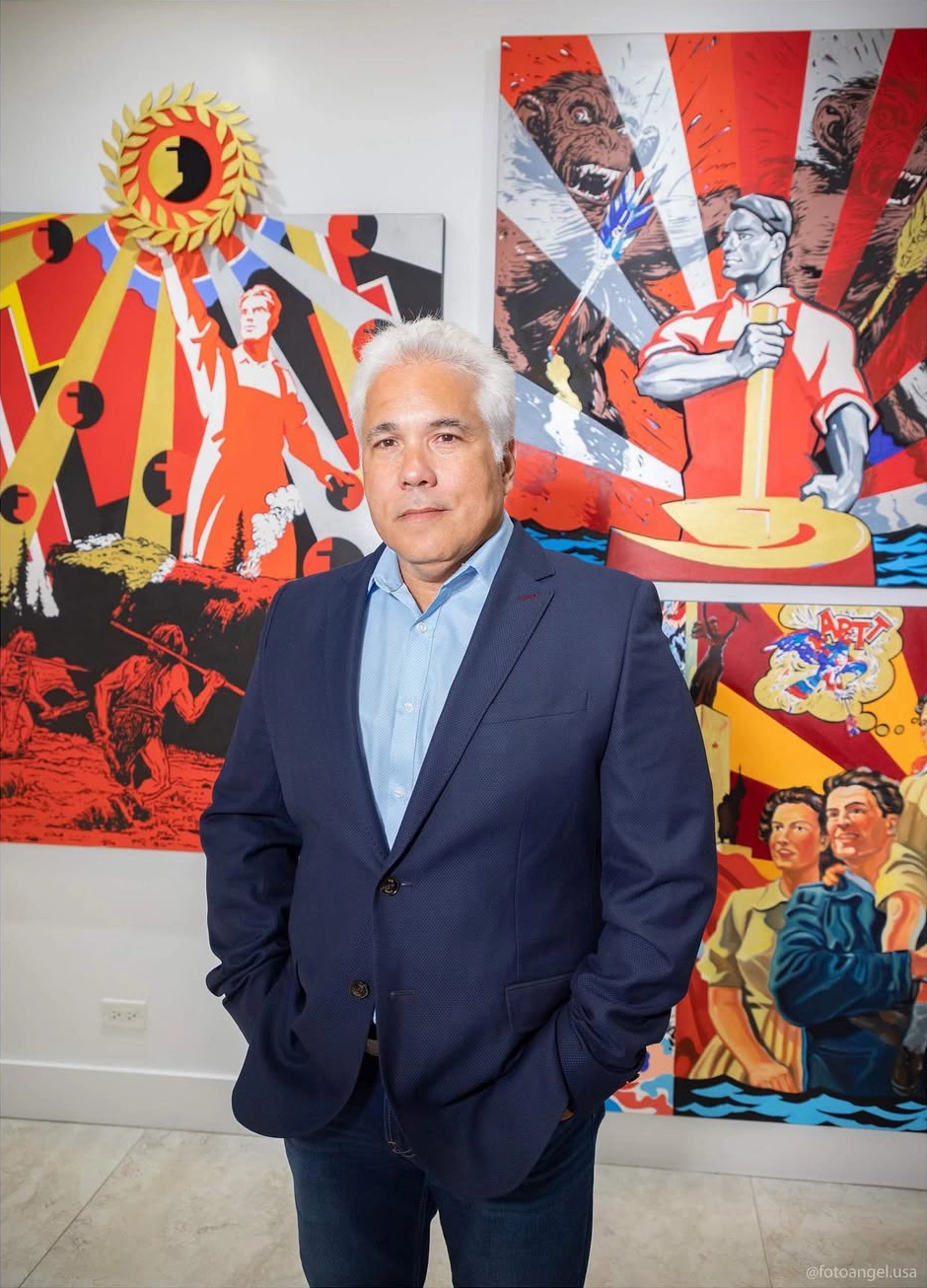
Ciro Quintana
Ciro Quintana
Ciro Quintana (born in Havana, Cuba; sources commonly list 1964 and sometimes 1965) is a Cuban visual artist associated with the critical turn of the 1980s and with the formation of Puré Group, a collective remembered for its sharp, street-level intelligence and for pushing satire, popular imagery, and institutional critique into the center of contemporary Cuban art discourse.
He trained entirely in Havana’s academic system: the “20 de Octubre” elementary art school (1979), the Academia Nacional de Bellas Artes San Alejandro (1983), and the Instituto Superior de Arte (ISA) (1987). He later completed specialized workshops in photoengraving (Cuban Photographic Library, 1989) and international silkscreen (René Portocarrero Serigraphy Workshop, 1990).
Quintana’s early recognition includes an Honorable Mention at the 4th International Triennial of Drawing in Wrocław (1988) and a Gold Medal at the First Biennial of the Caribbean and Central America in Santo Domingo (1989). In the United States and Europe, his trajectory was reinforced by competitive opportunities such as a 1996 fellowship supported by the Southern Arts Federation and the National Endowment for the Arts, followed in 1997 by the “Lila Wallace–Reader’s Digest Artists at Giverny” fellowship, awarded through the Claude Monet Foundation.
His work is documented in public and institutional collections that include the Museo Nacional de Bellas Artes de La Habana, the Pori Art Museum, the Peter Ludwig Collection (Cologne), the Museum of Modern Art of Santo Domingo, the Fort Lauderdale Art Museum (historically referenced as such), and the Ludwig Forum für Internationale Kunst, among others. A specific, independently verifiable museum record also lists Quintana in the Lowe Art Museum collection (example: Still Life of a Tropical Island, 1994).
In recent years, his exhibition history has continued to circulate through U.S. art-fair and diaspora-focused contexts, including mentions of “Resilience: The Other Cuba” (Minneapolis, 2015) and PULSE Contemporary Art Fair (2016).




Given its scale and significance, I will present my analysis of this project in several installments. These are the ten design proposals shortlisted for the next series of euro banknotes. At this moment, they are under the gaze of millions. Citizens of the euro area have been invited to choose their favorites in a survey that will remain open until September 21...
2026 FotoFocus Biennial
2026 Members’ Exhibition
.svg)
