1310 PENDLETON STREET CINCINNATI, OH
| (513) 407-7077 | WED - SAT 11:30 AM - 4:00 PM

THE
ANNEX
NEWS


Martin Parr —that improbable alchemist of the everyday, the British photographer who redrafted the grammar of documentary practice— has died at 73 in his home in Bristol. News of his passing triggered an immediate wave of tributes. Colleagues, critics, and institutions across continents have emphasized the extent to which his work unsettled and renewed the documentary impulse from the 1980s onward.
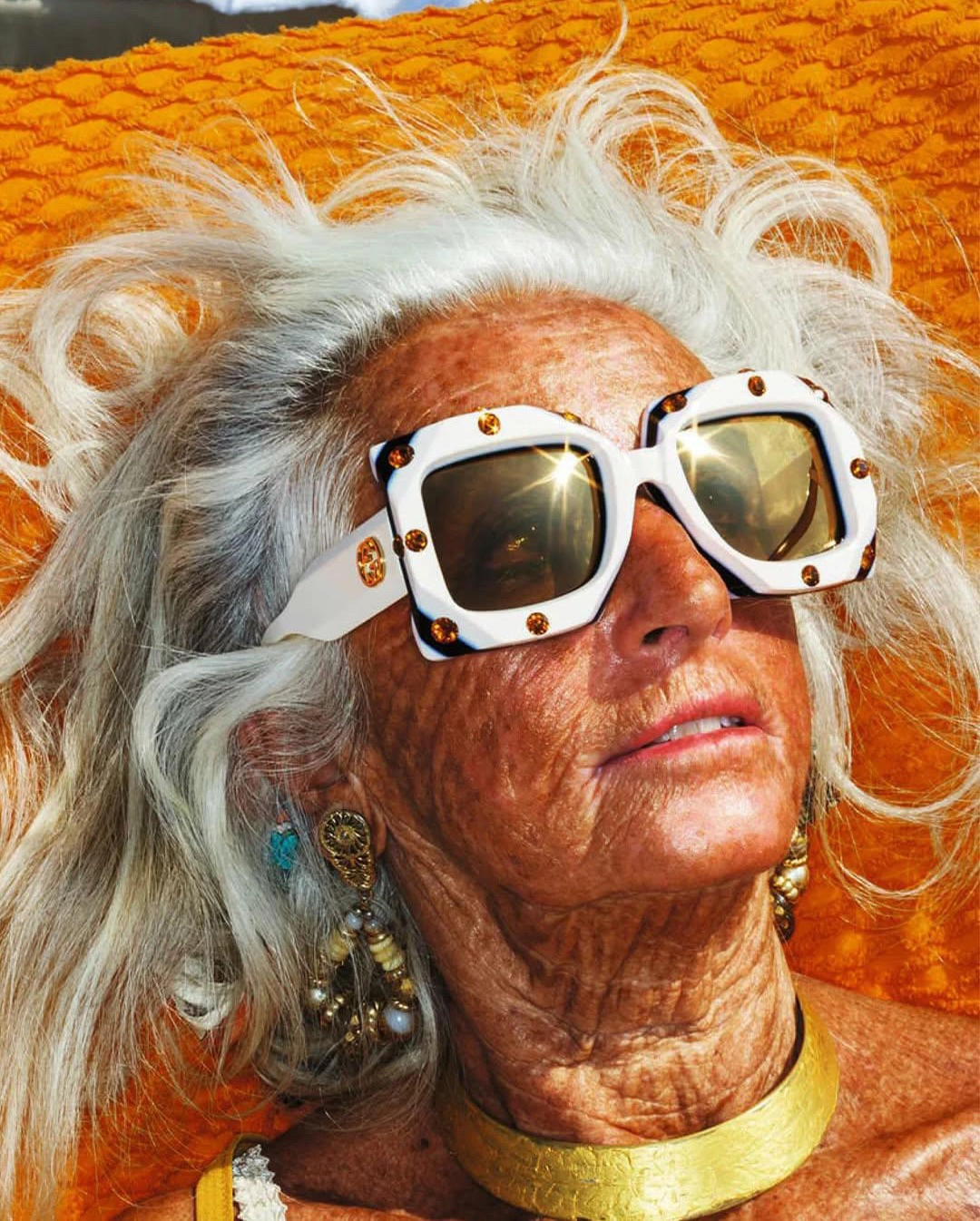
Parr achieved international prominence with The Last Resort (1983–1985), a series that captured the working-class summers of Merseyside with a mix of saturated color, irony, and a clinical attention to social choreography. His embrace of color—radical within the British documentary tradition at the time—marked a conceptual fissure as much as an aesthetic one. It was followed by bodies of work such as The Cost of Living, Small World, and Common Sense, where he dissected consumerism, mass tourism, middle-class aspirations, and the uneasy theatrics of contemporary culture. His style, deliberately frontal, humorous, and at times disquieting, provoked long-standing debates about empathy, distance, and the ethics of representation.

In the hours following his death, numerous institutions have underscored both the critical force of his vision and his capacity to locate poetry, absurdity, and a stubborn kind of truth in the smallest gestures of daily life. While some accused him of condescension toward his subjects, a significant portion of the critical community has reclaimed his gaze as an invitation to contemplate—without anesthetics—the visual and social contradictions of modern life.
Beyond a prodigious body of work, Parr leaves behind the Martin Parr Foundation, established in 2014 to safeguard his archive and support emerging photographers. His death closes one of the most idiosyncratic careers in contemporary photography, yet his oeuvre—acerbic, luminous, and insistently human—will continue to shape how we look at the world, and perhaps, how the world dares to look back.




I have sometimes thought about what, for once, I might call “the oneiric substance,” if only to steer the question into less sinister territory: do dreams arise from experiences not fully processed, or are they autonomous energetic structures, detached from various material or temporal sources, that pass through the mind in search of the lost warmth of emotions? The question has its beauty.
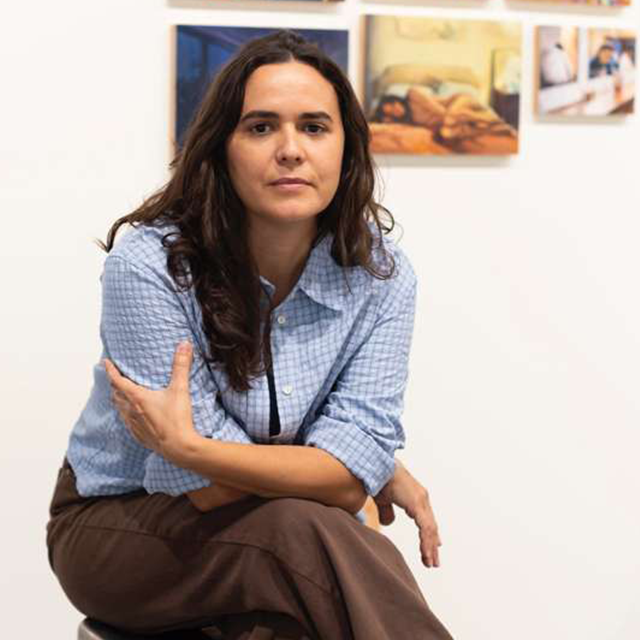
Evelyn Sosa and Leticia Sánchez Honored for Their Artistic Contributions

.svg)