1310 PENDLETON STREET CINCINNATI, OH
| (513) 407-7077 | WED - SAT 11:30 AM - 4:00 PM

THE
ANNEX
NEWS

Docile Metals and Memory

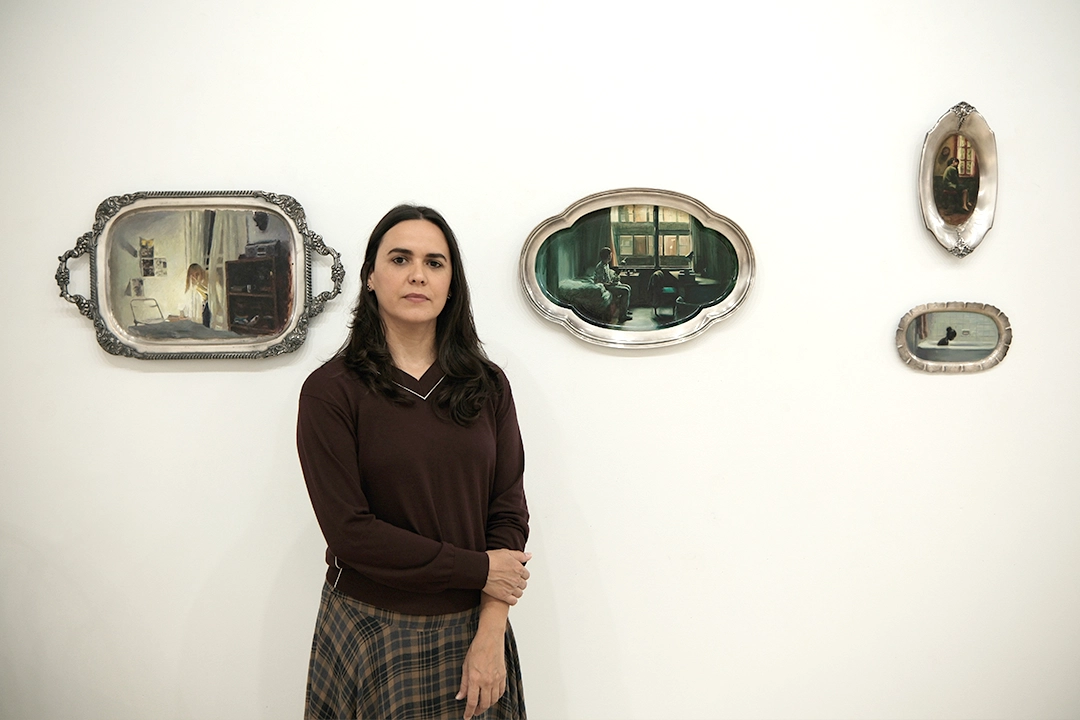
On June 3, Leticia Sánchez Toledo opened Docile Metals and Memory at The Annex Gallery, a series that delved into the material and affective memory of objects. The pieces were conceived from metal trays unearthed on Facebook Marketplace, at Sunday flea markets, and in secondhand venues. They were objects few still wished to keep in their original state — easy to come by, hard to maintain, awkward to place. Perhaps that was why they were perfect for a wall, an affectionate wink at the days when they quietly accompanied intimate gatherings and the small gestures of daily life.
From that humble condition, from the proximity of the domestic, the series shifted the trays toward another regime of attention. This was the first public showing of a body of work that, sustained by remarkable technical excellence and an especially intricate process of execution, opened an intimate and authentic connection with the forms of friendship, kinship, and sociability that shaped Caribbean life in the early decades of the twentieth century.
These trays belonged to a tradition poised between the domestic and the industrial. Produced mostly between the late nineteenth and mid-twentieth centuries, they were made from sheets of common metals — iron, brass, copper, nickel silver — later coated with silver, nickel, or dark varnishes. A then-novel technique, electroplating, made it possible to cover ordinary metals with a fine layer of silver through electrical current, bringing the appearance of the noble within reach of everyday life. They were pieces meant to serve and to present, yet they also articulated a domestic grammar of status, courtesy, and good taste.
The second half of the twentieth century began to find them decadent and unwieldy, set against the antiseptic, glacial design descending from northern Europe. It seemed that popular taste had lost the capacity to tolerate so much curvature, such insistence on ornament, such incompatibility with the new domestic cult of efficiency.
And yet they survived as memory, as a hesitant homage to who we once were and to the overflowing time we once enjoyed as if it were inexhaustible. One day they slipped behind glass and there they remained, visible, intact, and ignored, condemned to a discreet form of abandonment, in an ambiguous zone between affection and encumbrance. The newer generations, drilled in haste, efficiency, and performance, hurried to find those melancholy spirits who still understood leisure, contemplation, and the pleasure of tending to the useless, so they could hand the pieces over and be rid of them without guilt.
It was here that the trays and Leticia — a rare blend of sensibility and drive — met at a bittersweet crossroads.
It bears mentioning because this series was inseparable from the memory of someone the family’s innermost circle considered a cherished friend. Rafael Valdés was a Cuban surgeon, photographer, collector of art and antiques, an aesthete through and through, who died tragically in December 2025. More than fifteen years earlier, Rafaelito had offered Leticia, just graduated as a graphic designer from Havana’s Higher Institute of Design, a small silver tray to paint something on. As she herself recounted, she did not think it over much. She painted a nude in a few hours and returned the piece still wet.
“Fate willed that it return to me, drenched in sorrow and grief,” she wrote upon learning the news. In that sorrowful return, this series began to take shape, and it eventually reached Cincinnati, Ohio.
Although the polished trays were an unusual support, the Leticia of recent years was fully present in them. She was an artist with absolute command of her craft, one who corrected little and already worked from the psychological and symbolic coordinates of each piece. This is what we tend to call artistic maturity, and at times it is also the threshold of undeniable masterworks. I use a somewhat archaic phrasing on purpose, because in this series, which I found charming — another adjective exposed to the discredit of the anachronistic — winds from very dissimilar times came into contact. Wide hours, endless days, eras when the emotional occupied a place far above that of our savage contemporary pragmatism.

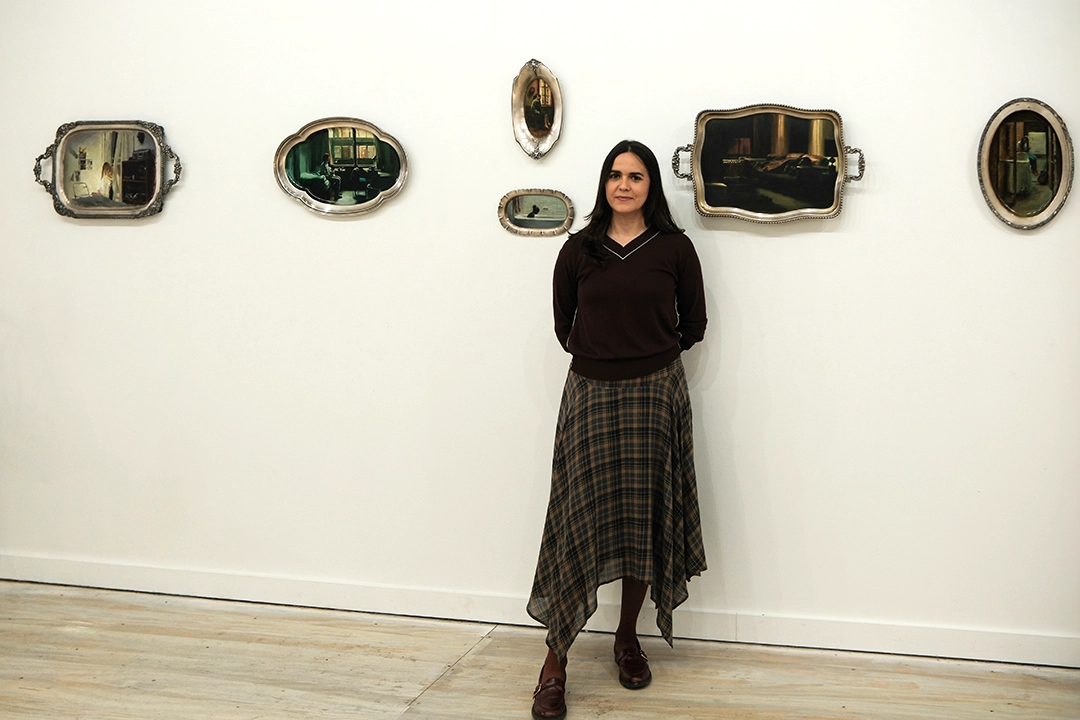
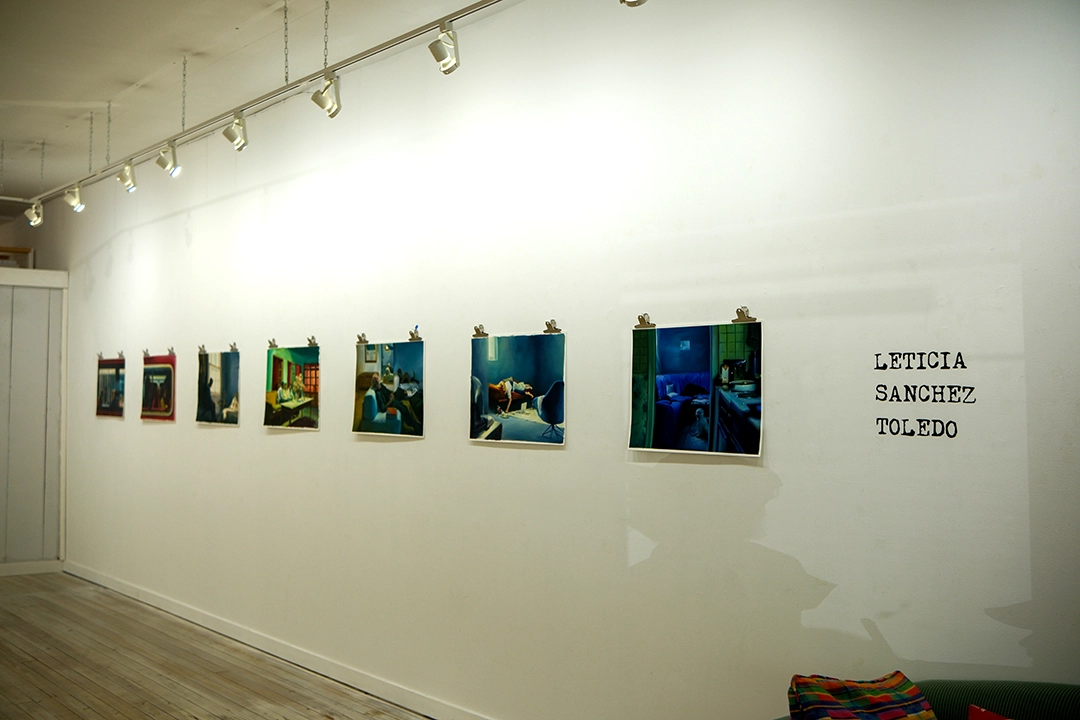
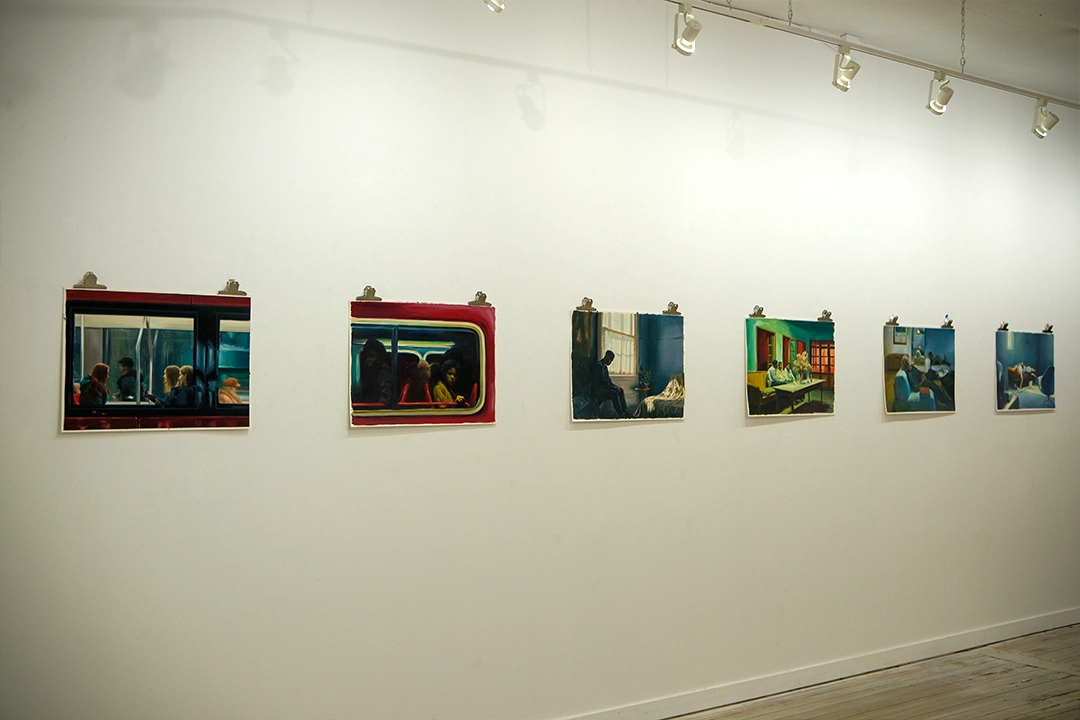
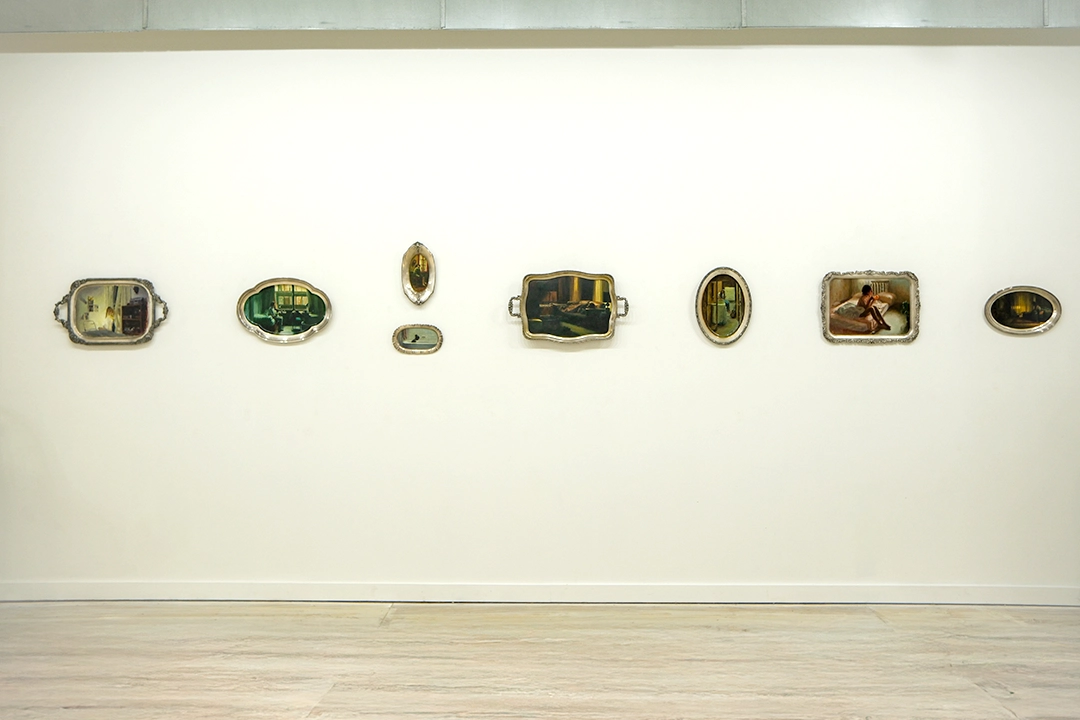
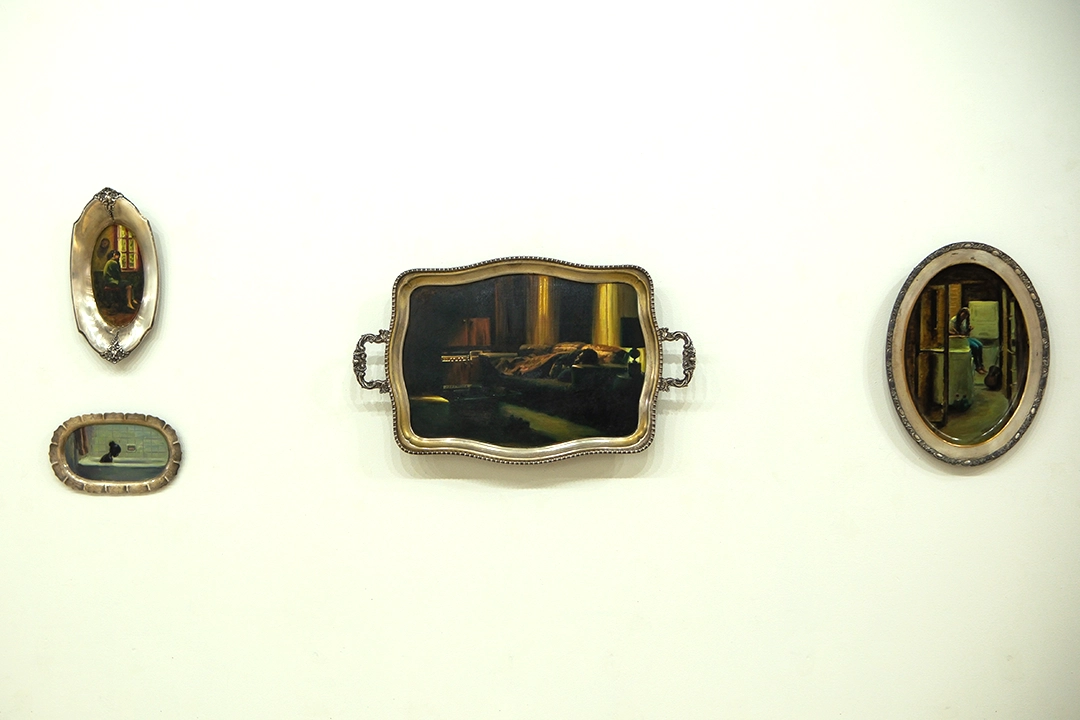
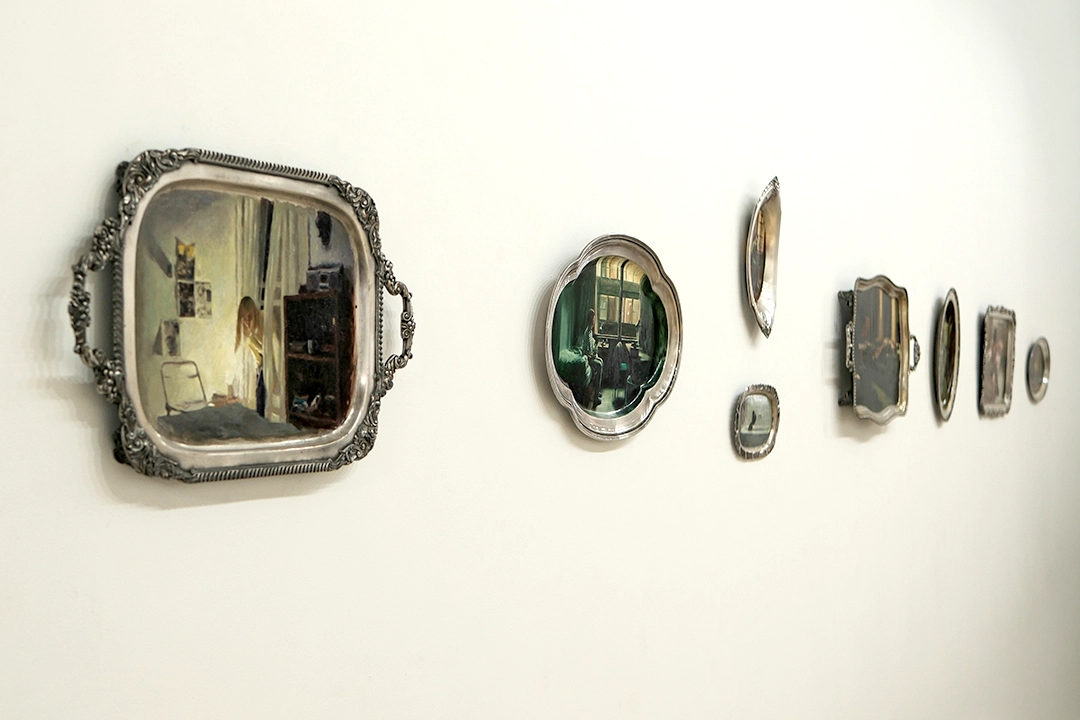
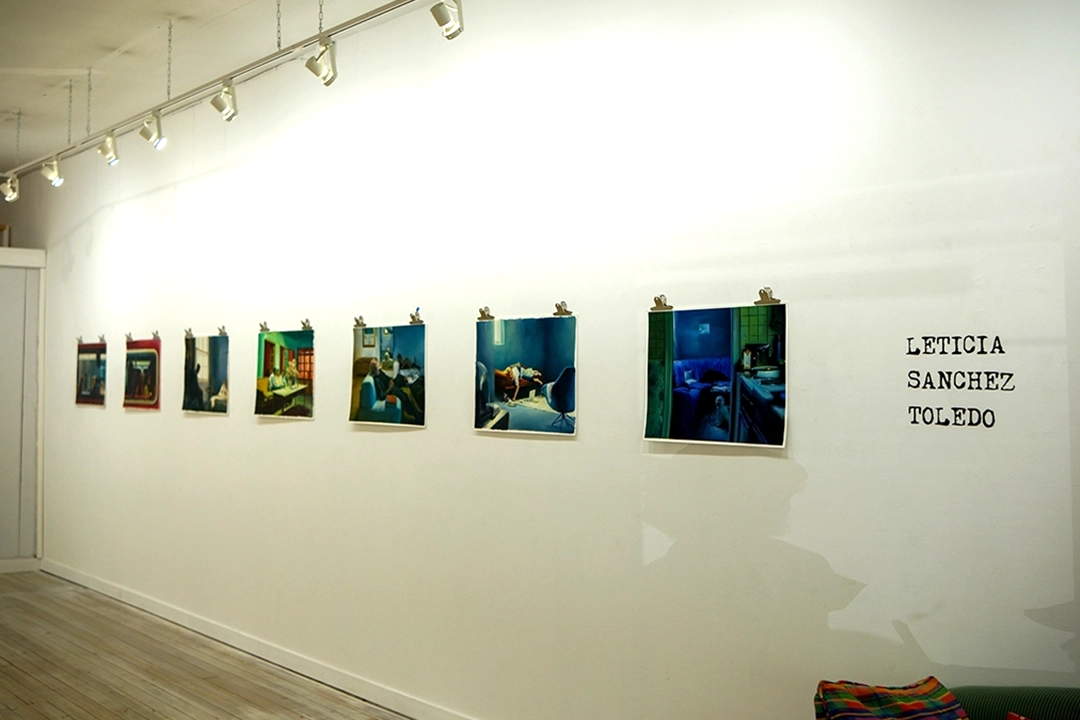
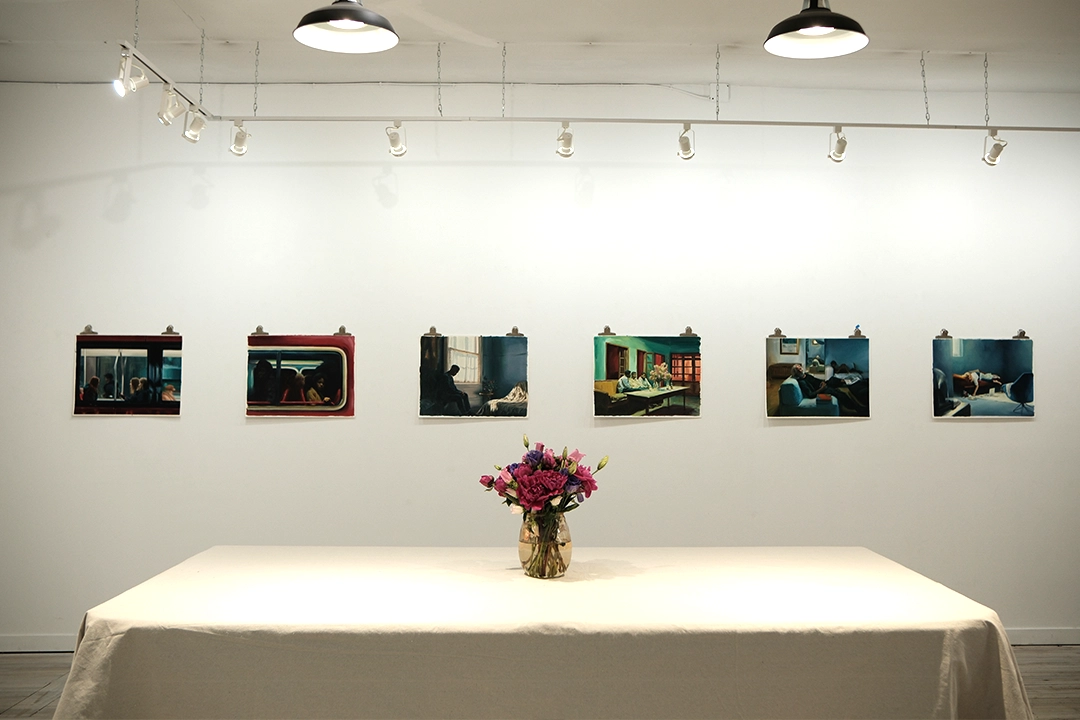
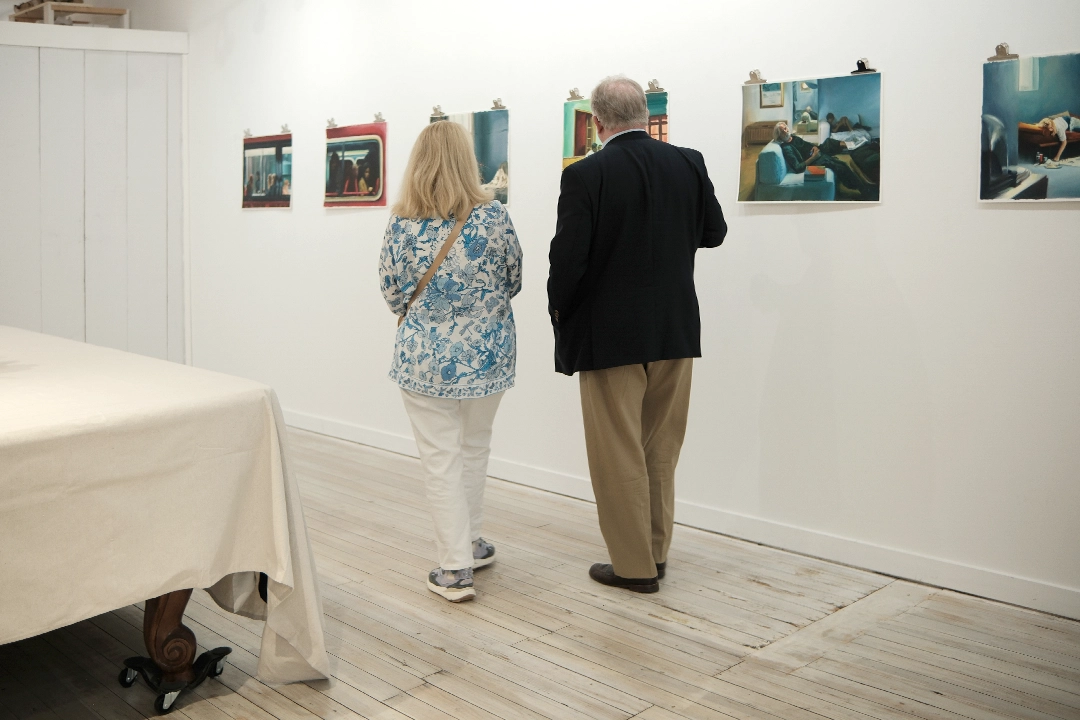
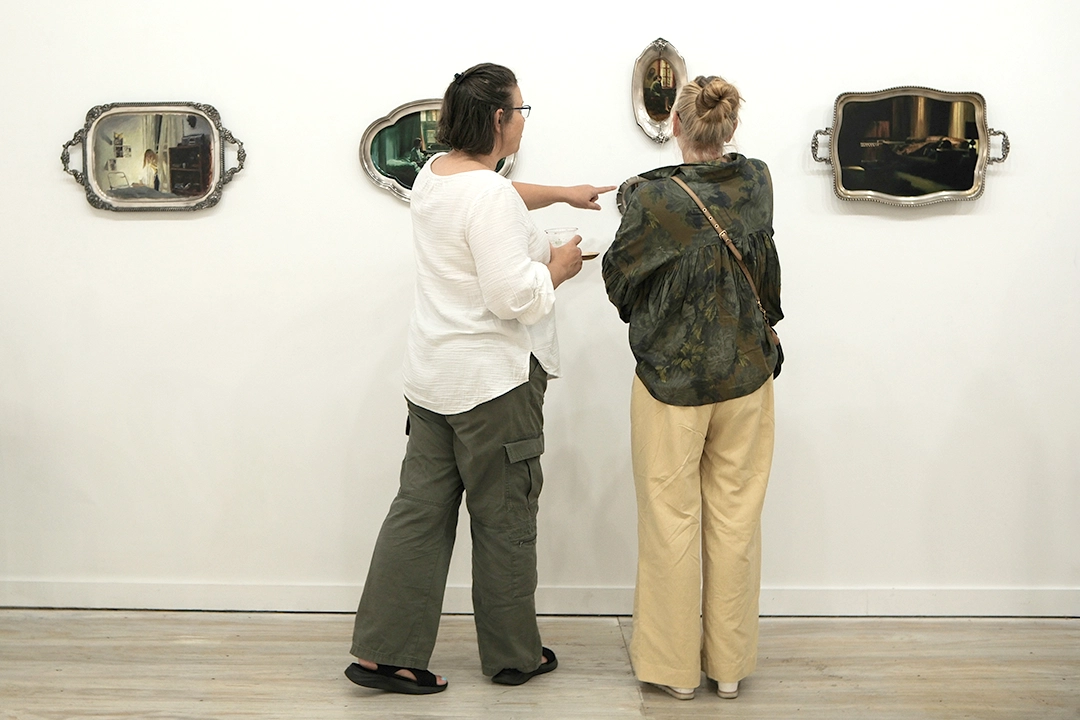
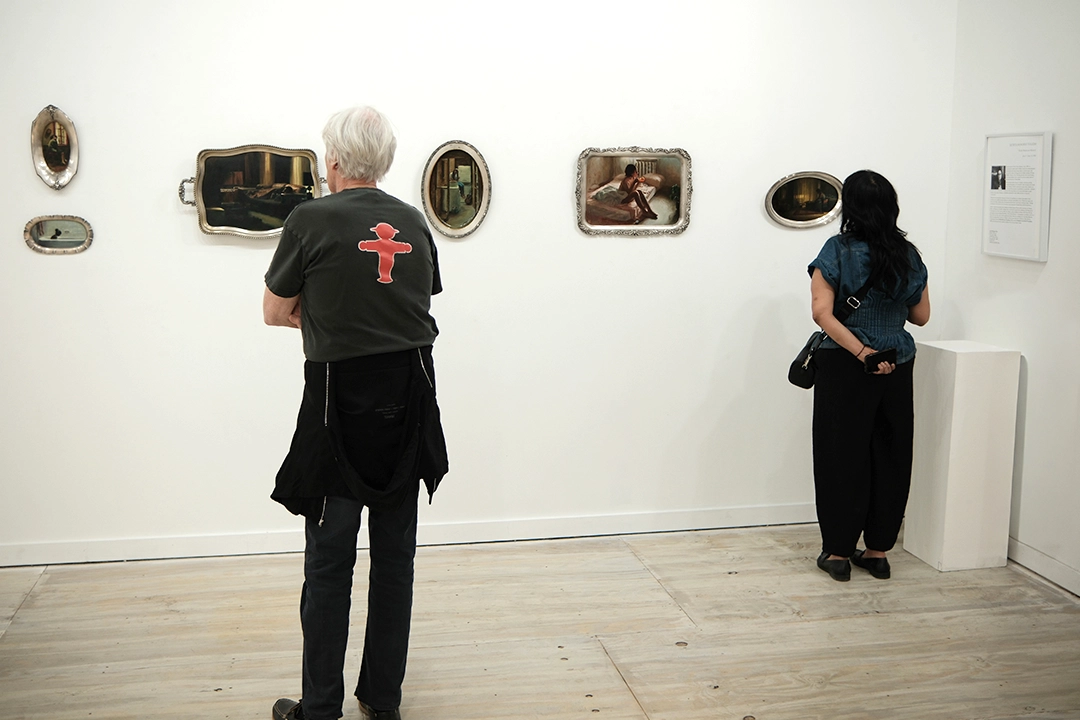





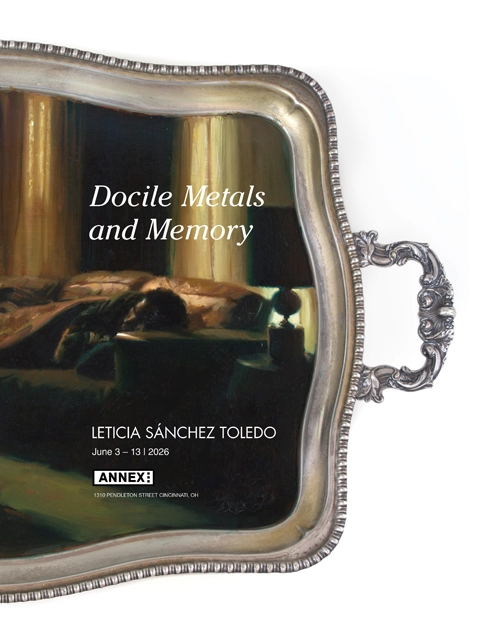
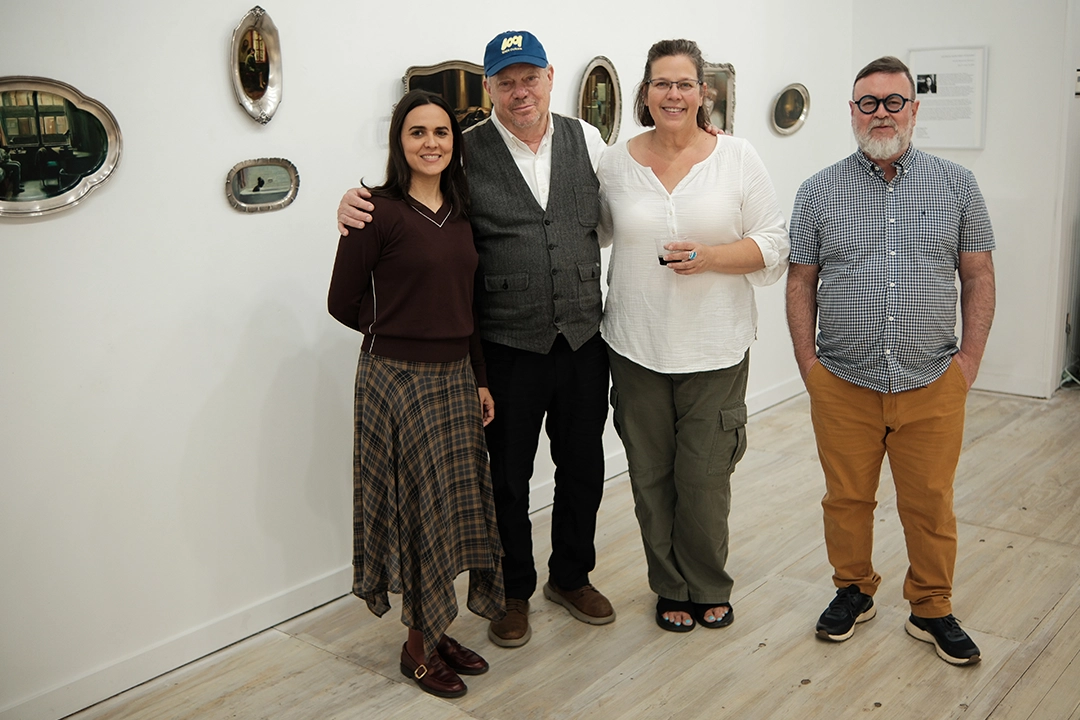
Presented from June 3 to 13, 2026, Docile Metals and Memory brought together a new body of work by Leticia Sánchez Toledo, developed on metal trays found through Facebook Marketplace, Sunday flea markets, and secondhand venues. Once domestic objects associated with service, display, courtesy, and social ritual, these trays became in Sánchez Toledo’s hands a charged surface where material memory and affective memory meet.


Given its scale and significance, I will present my analysis of this project in several installments. These are the ten design proposals shortlisted for the next series of euro banknotes. At this moment, they are under the gaze of millions. Citizens of the euro area have been invited to choose their favorites in a survey that will remain open until September 21...

PRESENTED AS PART OF THE 2026 FOTOFOCUS BIENNIAL: THE LONG VIEW
.svg)