1310 PENDLETON STREET CINCINNATI, OH
| (513) 407-7077 | WED - SAT 11:30 AM - 4:00 PM

THE
ANNEX
GALLERY


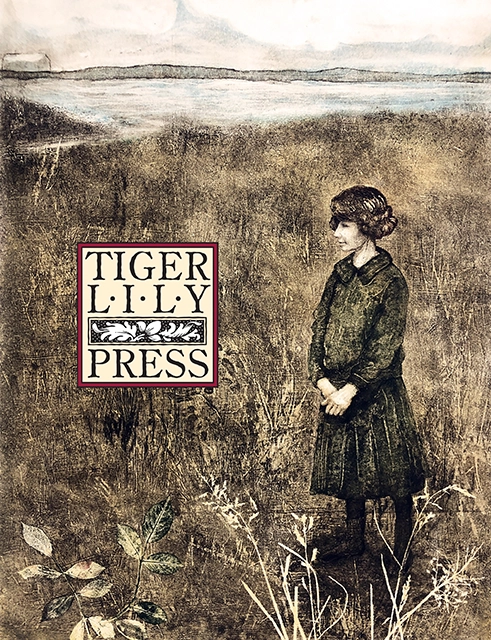
This catalog accompanies Collective Impressions, the 2026 Tiger Lily Press Members Exhibition at The Annex Gallery, presented from August 12 through August 28, 2026. Bringing together recent work by seventeen artists, the exhibition reflects the breadth of practices sustained by one of Greater Cincinnati’s longest-established printmaking communities. Rooted in shared technical knowledge, experimentation, and collective practice, the works reveal the continuing vitality of printmaking as both an artistic language and a physical process, while offering a portrait of a studio culture built through exchange across generations.

This catalog accompanies the Jim Marshall exhibition at The Annex Gallery, which opened on July 15, 2026. It brings together a body of work that expands the public understanding of one of the most celebrated photographers of the twentieth century. Known internationally for his iconic images of musicians, concerts, and countercultural figures, Jim Marshall was also something deeper and more difficult to define: a reporter with a camera. His photographs moved through jazz, folk, civil rights, protest, poverty, work, music, and the restless moral atmosphere of the 1960s.
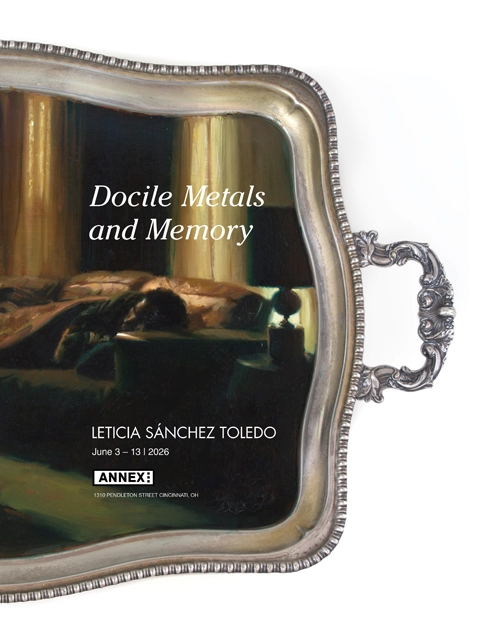
Presented from June 3 to 13, 2026, Docile Metals and Memory brought together a new body of work by Leticia Sánchez Toledo, developed on metal trays found through Facebook Marketplace, Sunday flea markets, and secondhand venues. Once domestic objects associated with service, display, courtesy, and social ritual, these trays became in Sánchez Toledo’s hands a charged surface where material memory and affective memory meet.
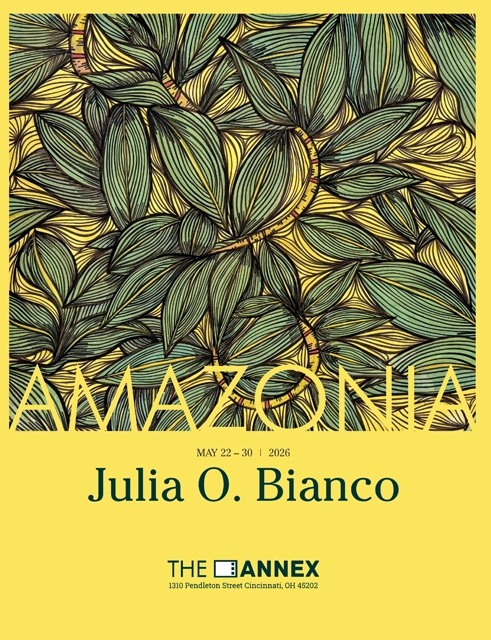
Amazonia, the solo exhibition by Julia O. Bianco, brought together a body of work developed through the artist’s sustained engagement with the Shipibo Indigenous community of the Peruvian Amazon. The exhibition combined watercolor and ink on paper, embroidered textile works, illuminated cyanotypes, and installation, articulating a visual meditation on medicinal plants, the Amazonian dieta —or samá in Shipibo— migration, family inheritance, and the ethics of reciprocity.
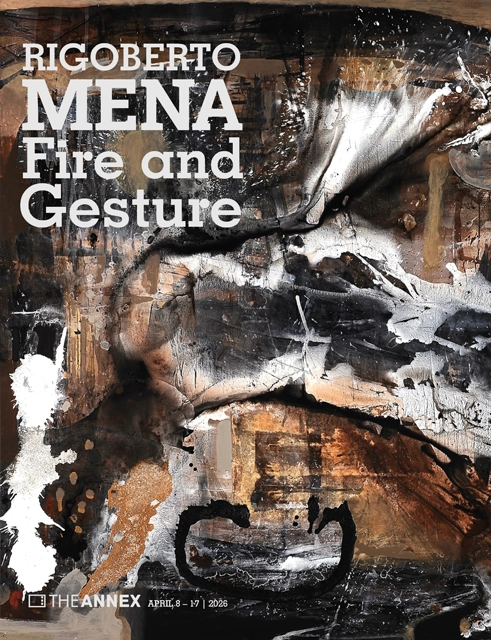
Rigoberto Mena, in Fire and Gesture, presented a recent body of work that expanded his long-standing investigation into Cuban abstraction through canvas, prints, and ceramics. Bringing together gesture, color, texture, and material tension, the exhibition revealed how the mark could carry memory, emotion, displacement, labor, and renewal, transforming abstraction into a field of physical and spiritual presence where fire, matter, and touch became inseparable from visual conviction.
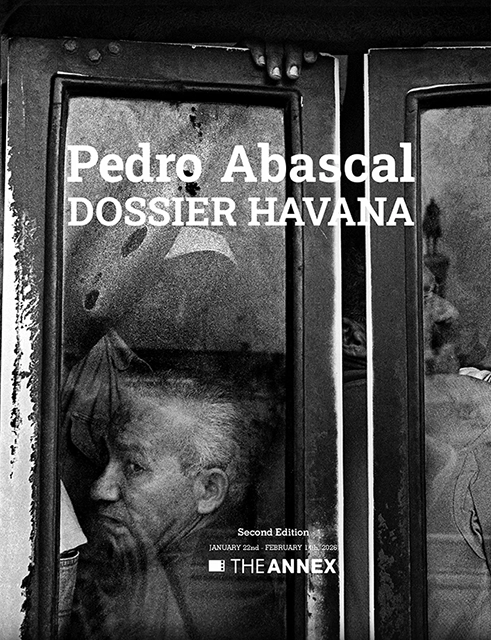
Pedro Abascal, in Dossier Havana, presented a photographic series that examined the city of Havana as a site of intimate experience and critical observation, revealing, through everyday gestures, reflections, and vulnerable presences, how photography could articulate a personal truth in which testimony and poetry coexisted in tension with urban history and memory.
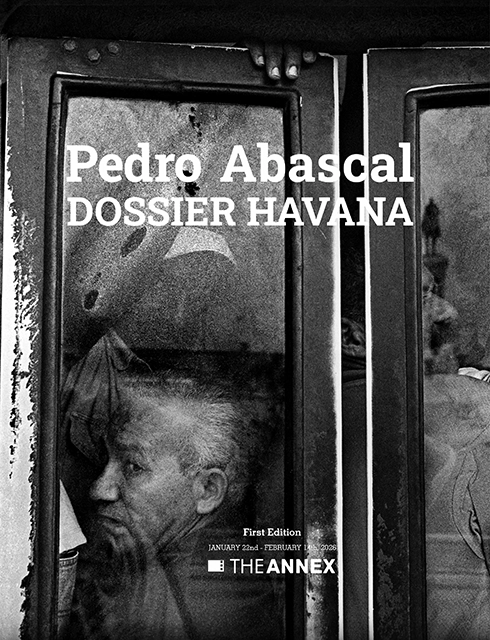
Pedro Abascal, in Dossier Havana, presented a photographic series that examined the city of Havana as a site of intimate experience and critical observation, revealing, through everyday gestures, reflections, and vulnerable presences, how photography could articulate a personal truth in which testimony and poetry coexisted in tension with urban history and memory.
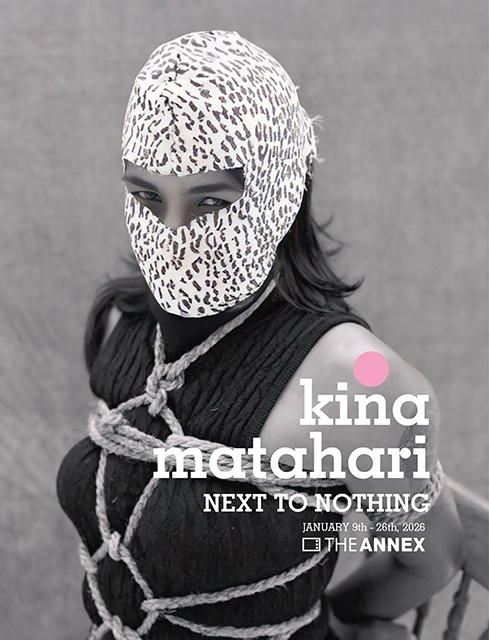
Claudia Ricardo (Kina Matahari), in Next to Nothing, presented a body of paintings and assemblages that examined the tensions between absence and presence, body and power, using minimalist forms, autobiographical symbols, and performative gestures to reveal how identity, memory, and resistance could be inscribed onto the pictorial surface as a political and existential affirmation.
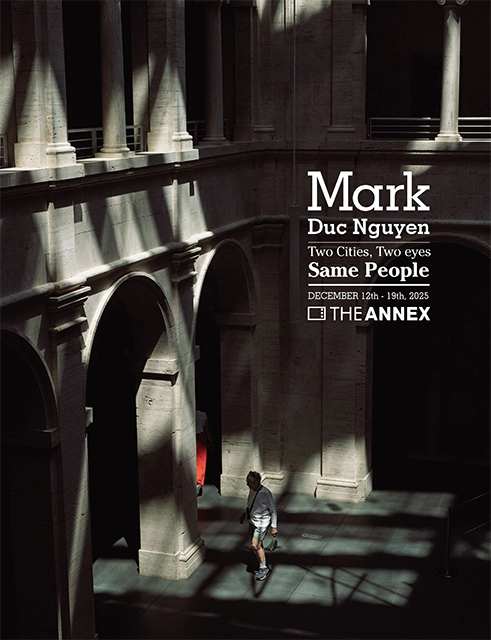
Mark (Phan Minh Duc Nguyen), in Two Cities, Two Eyes, Same People ( December 12th - 26th, 2026), presented a photographic series that examined the daily lives of workers and passersby in Vietnam and the United States, revealing, through color and the relationship between body and architecture, how urban experience formed a human continuity that transcended geographic and cultural distance.
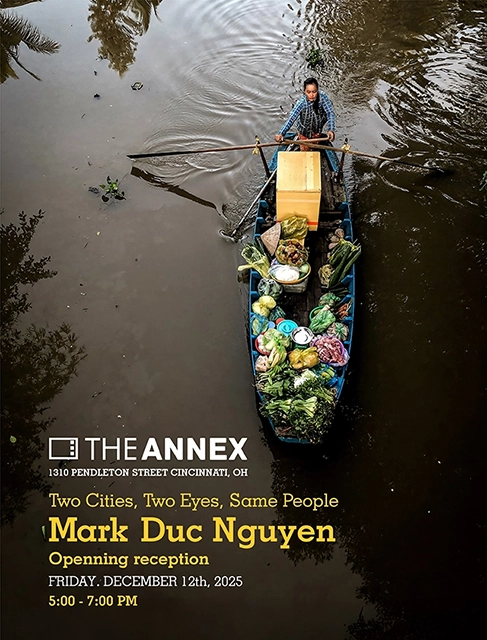
Mark (Phan Minh Duc Nguyen), in Two Cities, Two Eyes, Same People ( December 12th - 26th, 2026), presented a photographic series that examined the daily lives of workers and passersby in Vietnam and the United States, revealing, through color and the relationship between body and architecture, how urban experience formed a human continuity that transcended geographic and cultural distance.



Rafael Zarza, in Rafael Zarza. Toda la corrida artística, was the subject of a monographic study written by Hamlet Fernández Díaz that systematically examined his production from the 1960s to the present, revealing, through an extensive critical essay and a substantial body of images, the symbolic coherence, satirical force, and structural significance of one of the most singular trajectories in contemporary Cuban art.